
Verona
The City of Romeo and Juliet and the Beating Heart of Veneto
Where Romance and History Write Destiny
If I close my eyes right now, I can still hear the soft echo of an opera aria floating over the ancient stones of the Arena, blending with the cheerful clink of Spritz glasses crossing at Piazza delle Erbe at dusk. Walking through Verona means sensing the scent of love legends crossing medieval stone bridges over the Adige River. Universally known as the setting for Shakespeare's famous and tragic love story of Romeo and Juliet, this gem of the Veneto region goes far beyond the Shakespearean myth. It is a city that overflows with elegance, uniquely combining romance, history, and culture. With its cobblestone streets, medieval and Renaissance architecture, and a vibrant atmosphere, Verona captivates tourists from all over the world, inviting them to experience the gentle rhythm of the authentic dolce vita.
To plan your visit, check monument schedules, and cultural events, consult the official tourism portal of the Comune di Verona.
The Foundation of Verona: Between Legends and History
Verona, a city located in northern Italy in the Veneto region, is famous for its rich history, romantic architecture, and for being the setting of the tragic story of Romeo and Juliet. Its foundation, however, dates back to ancient times, blending myth and reality.
Legendary Origins
According to tradition, Verona was founded by an ancient people known as the Euganei, who inhabited the region before the arrival of the Raetians and, later, the Cenomani Gauls. However, the most popular legend attributes its foundation to a mythological leader named Brenno, chief of the Senone Gauls, or to the Etruscans themselves, who dominated part of northern Italy before the Romans.
Roman, Medieval, and Modern Verona
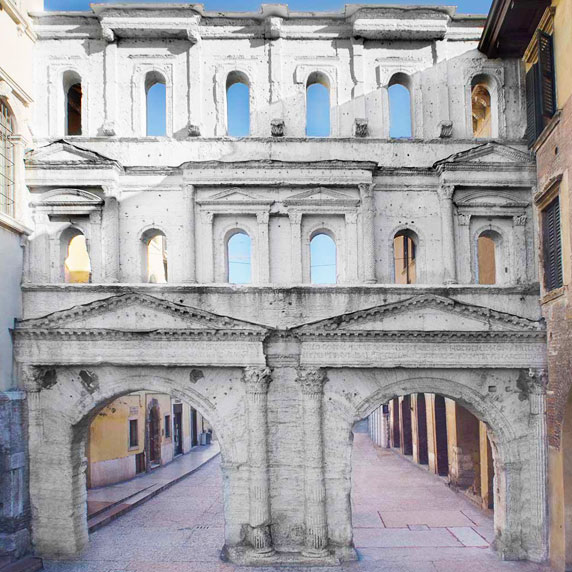
The documented history of Verona effectively begins with the Romans. In the 1st century BC, the city became an important Roman municipality, thanks to its strategic position along the Adige River and commercial routes between the Italian Peninsula and northern Europe. In 49 BC, Verona received Roman colony status from Julius Caesar, consolidating its role as a military and political center. During the Roman Empire, the city flourished, being adorned with monuments such as the Verona Arena (an amphitheater built around the 1st century AD), the Roman Theatre, and Porta Borsari.
After the fall of the Roman Empire, Verona was occupied by Ostrogoths, Lombards, and later, Charlemagne's Franks. In the Middle Ages, it became a free commune and subsequently a stage for disputes between Guelphs and Ghibellines. In the 13th century, the Scaligeri (Della Scala) family took control, transforming Verona into an important political and cultural center. It was during this period that Castelvecchio and the famous Arche Scaligere, funerary monuments of the lords of Verona, were built.
In the following centuries, Verona passed under the rule of the Republic of Venice (1405), then to the Austrian Empire, and finally integrated into the Kingdom of Italy in 1866. Today, Verona is a city that preserves its glorious past, designated a UNESCO World Heritage Site since 2000. Its history, which blends Roman, medieval, and Renaissance influences, continues to enchant visitors from all around the world.
What to See and Do in Verona: Must-See Attractions
Verona is a true open-air museum, offering an unforgettable experience for anyone visiting. Here are the essential stops that perfectly combine literary romance and architectural heritage:
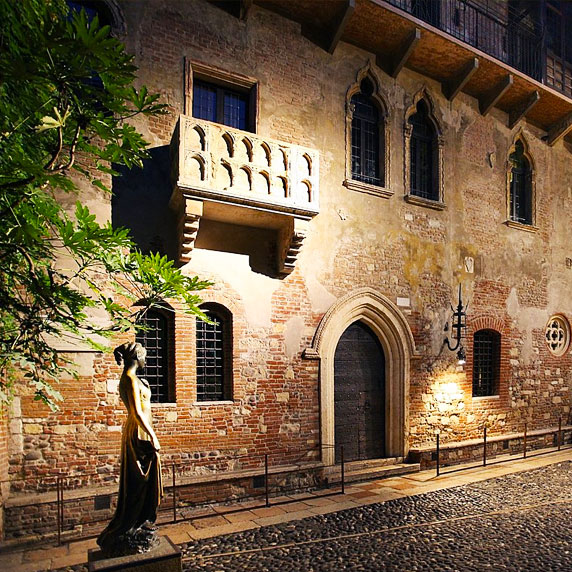
- Juliet's House (Casa di Giulietta): The most romantic spot in the city! The main destination for lovers, this medieval house is associated with Shakespeare's character, Juliet. In the courtyard with the iconic balcony stands the statue of Juliet, where many visitors leave love letters or notes on the courtyard walls and touch her breast to ensure good luck in love. Juliet's famous balcony is one of the most photographed spots in the city.
- Verona Arena (Arena di Verona): One of the symbols of the city, this impressive 1st-century Roman amphitheater is one of the best preserved in the world. Still in use for opera performances and concerts, especially during the famous Verona Festival. Imagine watching Carmen or Aida under the stars in a 2,000-year-old monument!
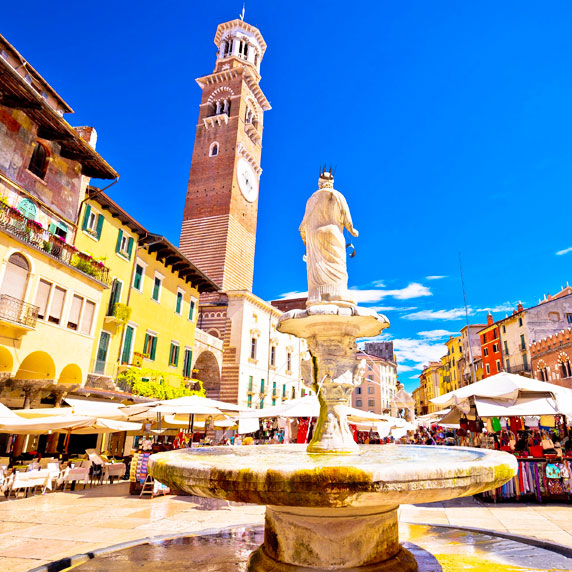
- Piazza delle Erbe: Built over the ancient Roman forum, this square is the heart of Verona's social life. Surrounded by historic palaces and a lively market, such as Casa dei Mercanti and Lamberti Tower, the square hosts a busy market during the day and transforms into a meeting point at night. Perfect for grabbing a coffee or trying a spritz like the locals.
- Castelvecchio and Scaligero Bridge: This imposing medieval fortress built in the 14th century houses the Castelvecchio Museum, featuring a vast collection of art and historical artifacts. Attached to the castle is the Scaligero Bridge, a stunning fortified bridge over the Adige River, perfect for picturesque sunset photos.
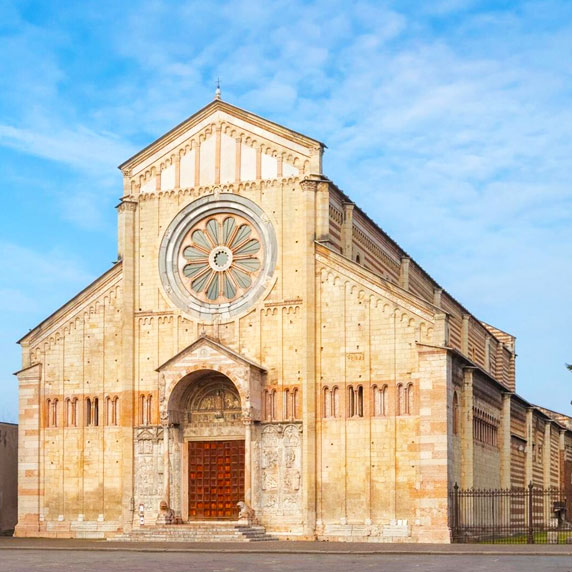
- Basilica of San Zeno Maggiore: One of the most beautiful churches in Italy, built in Romanesque style and dedicated to Verona's patron saint. Its bronze doors and interior frescoes are impressive. It is said that this is where Romeo and Juliet were secretly married.
Charming Spots: The Most Beautiful Corners to Discover
Walking at a leisure pace reveals secrets in every corner of Verona. Be sure to include these extraordinary spots on your map:
Piazza dei Signori
Adjacent to Piazza delle Erbe, this square is more elegant and quiet, featuring statues of prominent Veronese figures like Dante Alighieri. The Palazzo della Ragione and the Arco della Costa (with a mysterious whale bone hanging above) are key highlights.
Giardino Giusti
One of Italy's most famous Renaissance gardens, perfect for a peaceful stroll among fountains, statues, and boxwood mazes. From the top of the garden, there is a breathtaking panoramic view of the city.
Roman Theatre and Archaeological Museum
Built in the 1st century BC, this Roman theatre is less known than the Arena, but equally fascinating. Nearby, the Archaeological Museum displays sculptures and mosaics from the Roman era with views over the river.
Verona Cathedral (Cattedrale di Santa Maria Matricolare)
The city's cathedral, a charming blend of Romanesque and Gothic styles, holds important works of art, including paintings by Titian.
Lamberti Tower (Torre dei Lamberti)
Standing at nearly 85 meters high, this medieval tower offers one of the best panoramic views of Verona. You can go up on foot or by elevator.
Ponte Pietra
Overlooking the Adige River, this Roman bridge is perfect for a romantic sunset and unforgettable photos.
Traditional Flavors of the City of Love
Influenced by Venetian cuisine and excellent local products, Veronese culinary tradition combines simple ingredients with bold, comforting flavors. A true celebration of taste:
- Risotto all’Amarone: Made with the famous Amarone della Valpolicella wine, this risotto is a Veronese luxury. The full-bodied, fruity wine gives the arborio rice an intense color and unmistakable flavor, often finished with Monte Veronese cheese.
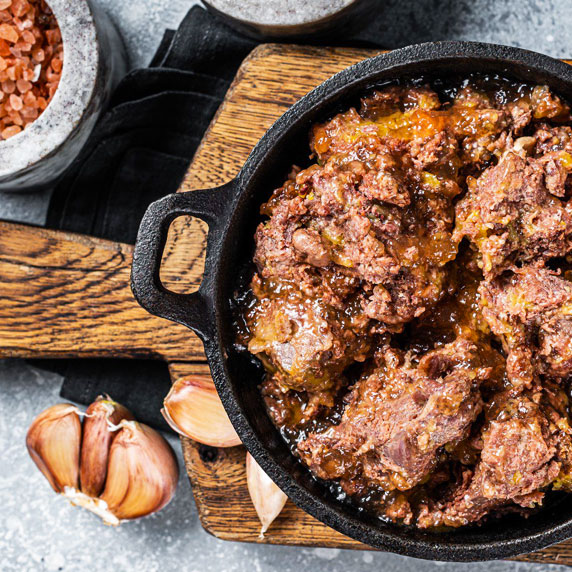
- Pastissada de Caval: One of Verona's most iconic dishes, this stew features horse meat marinated in red wine (usually Valpolicella) and spices like cinnamon and cloves. The meat becomes tender after hours of slow cooking and is served with creamy polenta.
- Bigoli con l’Anatra: Handcrafted bigoli pasta (thick, similar to whole wheat spaghetti) served with a shredded duck sauce, slow-cooked with onion, carrot, celery, and red wine. A robust dish typical of winter.
- Gnocchi di Patate: Veronese gnocchi are light, made with potatoes and flour. They can be served with tomato sauce and grated cheese or with the classic "tocco de caval" (horse meat ragù).
- Lesso e Pearà: A humble yet flavorful dish consisting of boiled meats (such as tongue and cotechino) served with pearà, a thick sauce made with meat broth, breadcrumbs, cheese, and plenty of pepper.
- Pandoro: The famous Christmas dessert was born in Verona in the 19th century. This star-shaped golden cake has a fluffy texture and is traditionally dusted with powdered sugar (available in bakeries year-round).
- Torta Russa: Despite its name, this tart of Austrian origin is greatly loved in Verona. Made with layers of puff pastry, vanilla cream, chocolate, and liqueur.
- Local Drinks and Wines: Valpolicella, Amarone, and Soave are the great wines representing the region. Don't miss trying an authentic Spritz, a traditional aperitif made with Aperol, prosecco, and sparkling water.
Restaurant Guide to Verona: Where to Savor the Moment
Verona offers a variety of dining spots ranging from budget-friendly, cozy places to sophisticated gourmet experiences. Keep in mind that Italians dine late (starting from 7:30 PM or 8:00 PM), so plan ahead!
Block 1: Authentic and Budget-Friendly Spots
Welcoming places, ideal for a heartfelt meal with family recipes without breaking the bank.
-
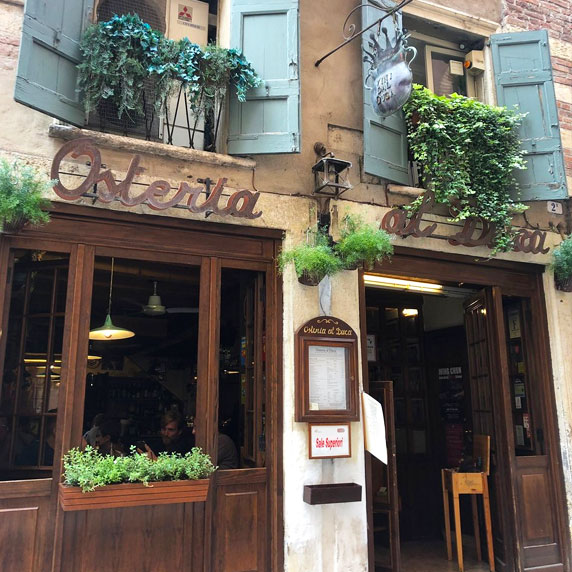
Osteria al Duca: (Via Arche Scaligere, 2 | Average price: €15-25 per person). Rustic and cozy atmosphere, perfect for an authentic meal.
Tip: Order the "risotto al tastasal" (typical Veronese risotto) or "bigoli con l’anatra" (pasta with duck sauce). -
Trattoria al Pompiere: (Vicolo Regina d’Ungheria, 5 | Average price: €20-30 per person). Known for excellent cured meats and local cheeses. Book in advance, as it is very popular.
Tip: Try the "gnocchi di malga" (gnocchi with mountain cheese). - Pizzeria Du de Cope: (Via San Marco, 12 | Average price: €10-20 per person). One of the best pizzas in Verona, with crispy dough and fresh ingredients. Great for a quick and tasty dinner.
Block 2: Mid-Range and Fine Dining Experiences
For those seeking a more refined setting, excellent wine lists, contemporary cuisine, or historic dinners inside grand palaces.
-
Osteria da Ugo: (Via Pigna, 8 | Average price: €25-40 per person). Cozy atmosphere and an excellent wine list.
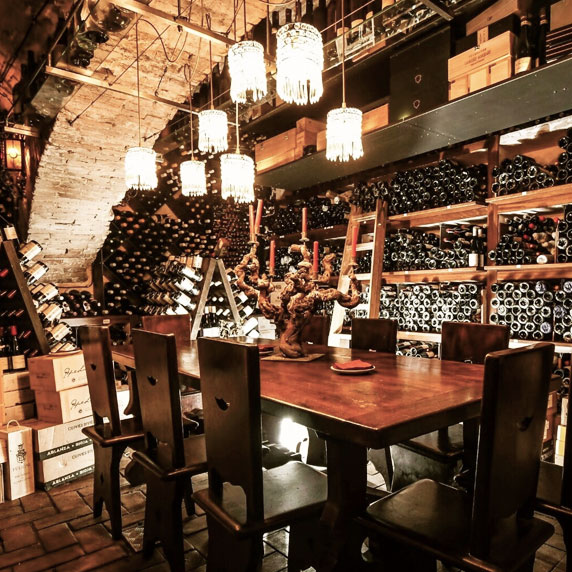
Tip: Order the "brasato al Amarone" (beef braised in Amarone wine) paired with a good local red. - Antica Bottega del Vino: (Via Scudo di Francia, 3 | Average price: €30-50 per person). A classic in Verona, world-renowned for its cellar and impeccable dishes like "risotto all’Amarone". Ideal for a traditional experience with a refined touch.
-
Ristorante 12 Apostoli: (Vicolo Corticella San Marco, 3 | Average price: €70-120 per person). One of the oldest in Verona (since 1750), with an elegant ambiance perfect for special occasions. Reservations required days in advance.
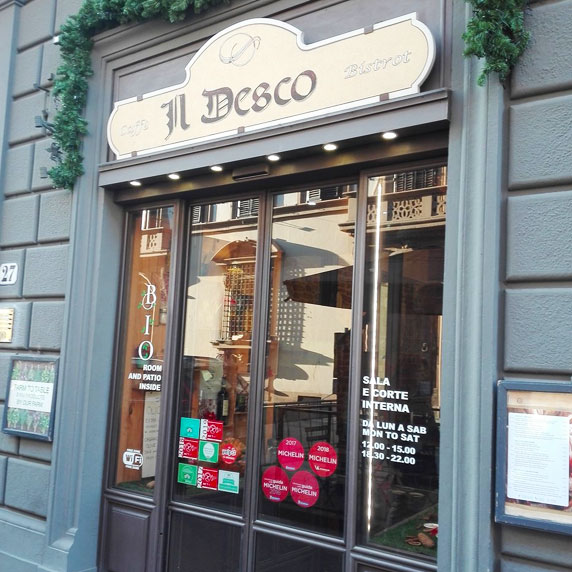
Tip: Order the "riso con tastasal e radicchio" and check out their incredible desserts. - Il Desco: (Via Dietro San Sebastiano, 7 | Average price: €80-150 per person). Contemporary cuisine with deep Venetian roots and an unmissable tasting menu. One of the city's finest, crowned with a Michelin star.
- Ristorante Maffei: (Piazza delle Erbe, 38 | Average price: €60-100 per person). Located in a magnificent historic palace, offering sophisticated dishes such as "tagliolini al tartufo" (truffle pasta) and privileged views over Piazza delle Erbe.
Charming Hideaways: Where to Sleep and Dream in Verona
Choosing the right accommodation in Verona ensures waking up surrounded by history and being able to explore everything comfortably on foot.
Area 1: Historic Center (Near the Arena and Piazza delle Erbe)
Advantage: Do absolutely everything on foot, wake up in the beating heart of the city of love, and experience Verona's illuminated nightlife.
-
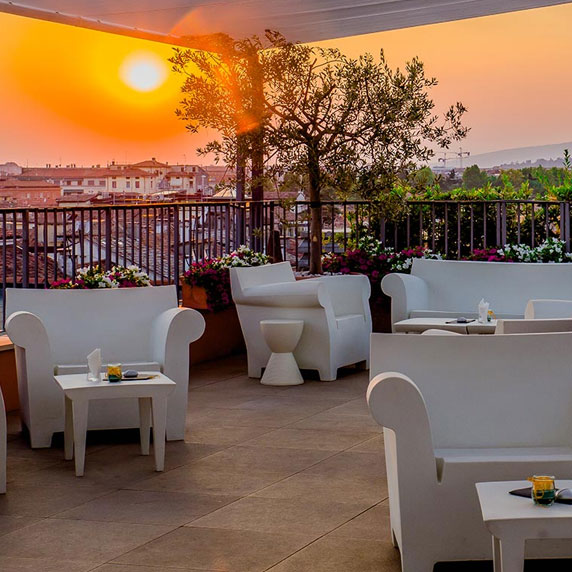
Hotel Milano & SPA: A modern boutique hotel featuring a spectacular rooftop terrace with a jacuzzi and direct views of the Verona Arena. Perfect for couples.
• Deciding Factor: The unbeatable location and relaxing SPA after long walks. -
Due Torri Hotel: For those seeking traditional luxury, this 5-star hotel boasts period furniture, classic elegance, and has hosted celebrities and royalty.
• Deciding Factor: The most sophisticated and iconic hotel in the historic center. To check romantic offers, visit Verona Hotels on Booking.com.
Area 2: Near Porta Nuova Station
Advantage: Excellent logistics for day trips by train to Venice or Milan, alongside generally lower rates.
-
Hotel Giberti: Comfortable, clean, and spacious. Located halfway between the train station and the Verona Arena (about a 15-minute walk from each).
• Deciding Factor: Ideal for balancing regional train trips and walks through the center. If you want to browse charming guesthouses in the area, check out the full catalog at Verona Hotels on Booking.com.
Paths of the Heart: How to Get to Verona
Verona is extremely well connected to other regions in Italy and Europe. Here we detail the main transportation options with average prices and practical routes:
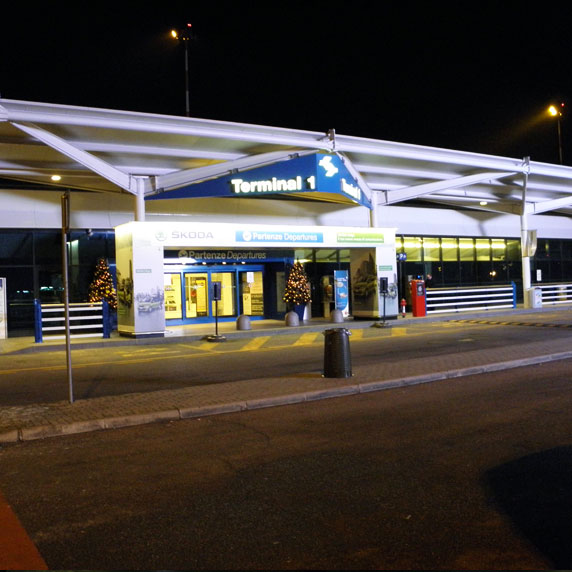
- By Plane (International or Connection): Verona has the Verona Villafranca Airport (VRN), which receives flights from several European cities. For travelers from Brazil and the US, access is usually via connections in Rome or Milan. From the airport to the city center, you can take the **Aerobus** (€6 – €15, 15-20 min) or a **Taxi** (€25 – €35, 10-15 min).
- By Train (The Best Option in Italy): The Italian railway network is efficient and Verona is seamlessly connected through **Verona Porta Nuova** station.
• *Train Routes:* Milan → Verona (1h10 – 2h), Venice → Verona (1h – 1h30), Rome → Verona (3h – 4h via Frecciarossa), Florence → Verona (2h – 2h30).
• *Average Prices:* Slower regional trains (€10 – €20) and high-speed Frecciarossa/Italo trains (€25 – €60). Buy in advance via Trenitalia or Italo. - By Bus (Budget Option): Companies like FlixBus and Itabus operate low-cost routes: Milan → Verona (€5 – €15, 1h30 – 2h), Venice → Verona (€8 – €20), Rome → Verona (€15 – €30, 5h – 6h). The train offers more comfort, but buses guarantee the lowest price.
- By Car (Regional Flexibility): Great if you plan to extend your itinerary to Lake Garda or Valpolicella. Daily rentals range between €30 – €70 depending on the season.
*Friendly tip: Traffic in the city center is restricted by ZTL (Zona a Traffico Limitato) for unauthorized vehicles under heavy fines, and parking costs €2 to €3 per hour. Choose parking lots like Cittadella or Isolo outside the historic center.* - By Boat (Lake Connections): If you are near Lake Garda, boats connect towns like Desenzano or Sirmione to Peschiera del Garda for €10 – €20, followed by a short 15-minute train ride to Verona for €3 – €5.
| Mode of Transport | Approx. Price (one-way) | Average Time | Best For |
|---|---|---|---|
| Plane | €50 – €180 | 2h – 4h | Travelers coming from outside Italy (Connections) |
| Train | €10 – €60 | 1h – 4h | Travelers already in Italy (Fast and comfortable) |
| Bus | €5 – €30 | 1h30 – 6h | Budget-conscious travelers |
| Car | €30 – €70/day | Varies | Those who want to explore nearby vineyards and lakes |
Getting Around Verona: Exploring Smartly
Verona is relatively compact, but offers several transit options to make getting around easy:
On Foot
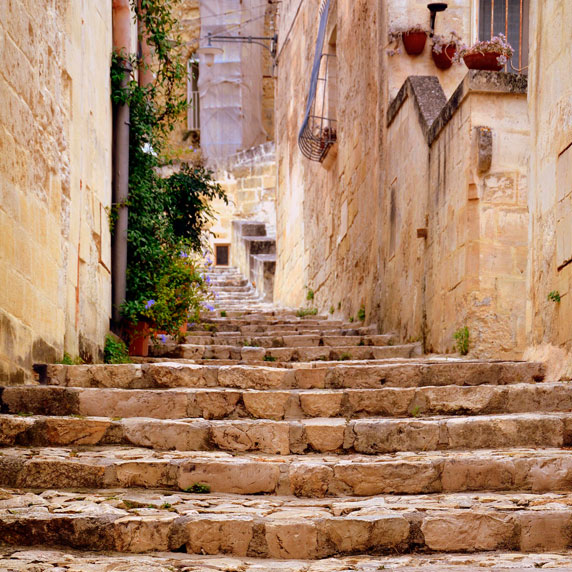
Verona's historic center is small, with major attractions close to one another, such as the Arena, Juliet's House, and Piazza delle Erbe. Walking is free and the best way to enjoy the city's beauty and hidden alleys. Since some streets are cobbled, wear comfortable shoes!
Urban Bus (ATV – Azienda Trasporti Verona)
The network is efficient and covers the whole city. Lines **11, 12, and 13** connect the center to the main train station (Porta Nuova). Lines **21, 22, and 23** pass by landmarks like Castelvecchio and the Arena. Lines **90, 96, and 97** link to the airport.
• *Prices:* Single 90-min Ticket (€1.70), 1-Day Ticket unlimited for 24h (€4.00), 3-Day Ticket (€10.00), and Aerobus (€7.00 one-way). Buy at tobacconists (*tabacchi*), ticket machines, or via the AMT Verona app, and always validate upon boarding.
Bicycles and E-Scooters
Great for quick rides using bike lanes. **Bike Sharing (Verona Bike)** costs €1.00 for 30 min (up to €10.00/day, app registration required). E-scooters (**Lime, Bird, Dott**) cost €1.00 to unlock + €0.20-0.30 per minute.
Taxis and Apps
Safe, but more expensive. Initial fare starts at €4.50 (daytime) / €6.50 (night) + €1.20-1.50 per km. Rides from the airport to the city center range between €25-35. Use official apps like FreeNow or ItTaxi.
Poetic 1-Day Itinerary: Awakening Love
If you only have one day to fall in love with Verona, this itinerary is timed perfectly to capture the essence of the city:
Morning: Roman Footsteps and Juliet's Balcony (09:00 - 12:00)
Start early at the monumental **Verona Arena**. Walk along the stone stands imagining ancient gladiators. Next, walk along Via Mazzini (the main shopping street) straight to **Juliet's House**. Leave a love note on the courtyard walls and take the classic photo under the romantic balcony.
Lunch and Spritz Toast (12:30 - 14:30)
Head to the vibrant **Piazza delle Erbe**. Sit at one of the outdoor tables of the historic trattorias, order an authentic *Risotto all’Amarone* or a plate of *Bigoli con l'Anatra* accompanied by a refreshing Venetian Spritz.
Afternoon: Medieval Fortresses and Sunset on the Bridge (15:00 - 18:30)
Explore the elegant surroundings of **Piazza dei Signori** and admire the impressive **Arche Scaligere**. Walk over to the military complex of **Castelvecchio** and end the afternoon crossing the monumental red brick fortifications of the **Scaligero Bridge** or **Ponte Pietra**, watching the golden sunset reflect over the Adige River.
Evening: Romantic Dinner and an Evening at the Opera
If visiting in summer, cap off the day watching an unforgettable show at the Opera Festival inside the Arena. Otherwise, enjoy an intimate dinner at the refined *Ristorante Maffei*.
2-Day Itinerary: Hidden Secrets and the Ideal Season
Spending a weekend in Verona allows you to slow down and discover breathtaking viewpoints and Renaissance gardens:
Day 1: The Classic Charm of the Center
Take advantage of all stops on the 1-Day Itinerary, exploring Roman monuments and main squares without rushing.
Day 2: Panoramic Viewpoints and Art Churches
Dedicate the morning to crossing the river and wandering through the symmetrical boxwood labyrinths and statues of **Giardino Giusti**. Take the elevator or stairs to the top of **Lamberti Tower** to capture the best aerial view of Verona's terracotta rooftops. In the afternoon, visit the stunning **Basilica of San Zeno Maggiore** and check out the **Roman Theatre** alongside its Archaeological Museum.
Best Time of Year to Visit Verona
The best general times to visit are during **Spring (April to June)** and **Autumn (September to October)**, when temperatures are comfortably mild (15°C to 25°C) and tourist spots are less crowded, allowing you to enjoy events like *Vinitaly* in April.
For open-air opera performances and vibrant nights, **Summer (July to August)** is ideal due to the Arena Opera Festival, although it coincides with peak tourist season, hot temperatures, and higher prices. **Winter (November to March)** brings colder weather (0°C to 10°C), but rewards visitors with lower rates and charming Christmas Markets in December.
Verona: The Gateway to Exploring Veneto (< 50 km Radius & Regional)
With its excellent strategic and railway location, Verona serves as an affordable and ideal base for unforgettable day trips.
Venice (~1h15 by train)
Veneto's gem is just a short train ride away from Verona. Avoid high island accommodation rates by taking day trips instead.
- Friendly tip: Buy regional train tickets via Trenitalia (€9.90) to save money on the trip.
Lake Garda (~30-50 min by bus/car)
The largest and one of the most beautiful lakes in Italy. Stroll through charming coastal towns like Sirmione, Bardolino, or Malcesine with breathtaking views.
- Friendly tip: Rent a bicycle to calmly explore the lake's fantastic coastal infrastructure.
Padua and Vicenza (~45 min by train)
Padua houses the magnificent Scrovegni Chapel, featuring revolutionary frescoes by Giotto. On the way, combine a stop in Vicenza to admire master Andrea Palladio's palaces and works.
Valpolicella and Soave (~20-30 min by car/train)
Verona is the gateway to the fantastic land of Amarone and Valpolicella Classico wines. Soave is a charming medieval village surrounded entirely by vineyards and famous for its crisp white wine.
Dolomites (~2h by car)
For lovers of alpine nature, dramatic mountains, and wild trails, Bolzano and the Tre Cime Nature Park are must-visit destinations north of Verona.