
Florence
The Cradle Where Art Meets the Soul of the Renaissance
Where Human Genius and Stone Write Stories
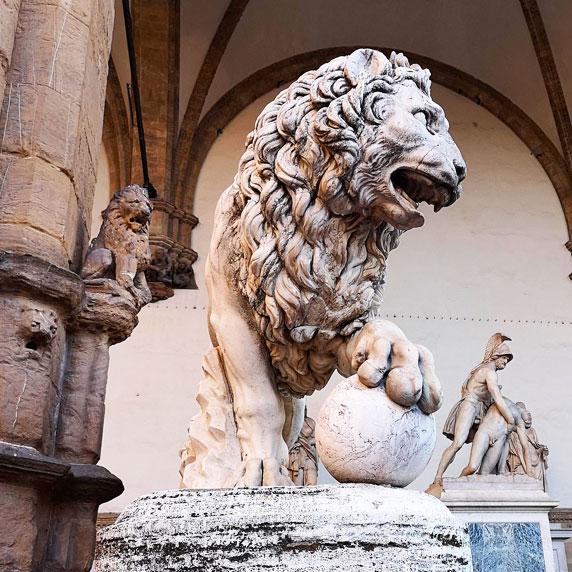
If I close my eyes right now, I can still hear the echo of my own footsteps mixed with the distant sound of a violin in Piazza della Signoria. I am sitting on the steps of the Loggia dei Lanzi, savoring an authentic artisanal gelato while the setting sun paints the immense Brunelleschi dome in gold, silhouetted against the Tuscan sky like a miracle of engineering. In front of me, centuries of living history parade under the marble eyes of eternal statues; to my right, the Arno River reflects the pastel tones of the Ponte Vecchio. Florence is not just a stop on the map; it is a profound awakening of sensitivity in our soul. Considered the beating heart of the Tuscany region in Italy, this ancient medieval city overflows with breathtaking artistic elegance, ideal for those who want to experience the calm and inspiring rhythm of authentic Italian life.
It is a destination that delights and inspires. Known as the birthplace of the Renaissance, the city is a true open-air museum where every street, square, and building tells a story of art, culture, and innovation. For lovers of history, art, gastronomy, and architecture, Florence is a paradise that cannot be missed on a travel itinerary.
To plan your visit, check museum opening hours, and cultural events, consult the official tourism portal of the Comune di Firenze.
The Medici Legacy and the Magnetism of Geniuses
The foundation of Florence, one of Italy's most iconic cities, dates back to Antiquity and is shrouded in legends and fascinating historical facts. Let's explore its origin and development over time.
Ancient Origins
Florence was founded by the Romans in 59 BC, during the period of the Roman Republic. Its original name was Florentia, which means "flourishing" or "prosperous," reflecting the ambition of its founders to create a prosperous and strategic city. The location was chosen for its privileged position in the Arno River valley, close to important trade routes and fertile lands.
The city was built following the classic Roman model, featuring a forum, thermal baths, an amphitheater, and a street system organized in a grid. Florentia quickly became an important commercial and military hub in the region of Etruria (present-day Tuscany).
The Legend of Its Foundation
In addition to official history, there is a legend that attributes the founding of Florence to Julius Caesar. It is said that he established the city as a military camp for veterans of his campaigns. Another legend, even older, connects the city to the Etruscans, the people who inhabited the region before the Romans. According to this version, Florence was founded by the mythical hero Florinus, a Roman or Etruscan soldier.
The Middle Ages and the Renaissance
Following the fall of the Roman Empire, Florence underwent periods of decline but re-emerged during the Middle Ages as an important autonomous commune. In the 12th century, the city became a major financial and commercial center thanks to its currency, the gold florin, which was widely accepted throughout Europe.
In the 14th century, Florence became the birthplace of the Renaissance, a cultural, artistic, and scientific movement that transformed Europe. Powerful families like the Medici patronized artists, architects, and thinkers, including figures like Leonardo da Vinci, Michelangelo, Dante Alighieri, and Galileo Galilei. The city became a symbol of innovation and beauty, being declared a UNESCO World Heritage Site due to its incomparable urban harmony.
Modern Florence
Over the centuries, Florence has continued to be a cultural and historical center of great importance. Today, it is considered one of the most beautiful cities in the world. Its rich history, breathtaking architecture, and artistic legacy attract millions of visitors every year.
Charming Spots: The Most Beautiful Corners to Discover
Walking through Florence is like unlocking an antique jewelry box: every dark alley holds a golden ray of sunlight and an unforgettable view.
Cathedral of Santa Maria del Fiore (Duomo)
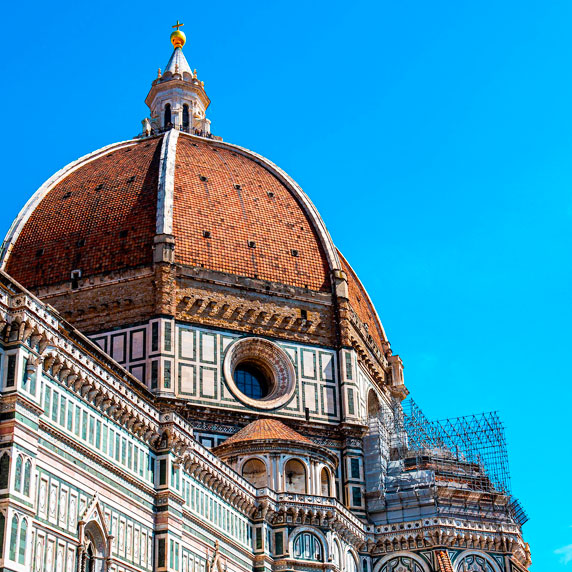
The Duomo is the ultimate symbol and poetic heart of Florence. Its imposing dome, designed by Brunelleschi, is a masterpiece of Renaissance engineering and dominates the city skyline. The white, green, and pink marble facade is breathtaking, and the interior houses impressive frescoes and stained glass windows. Climbing to the top offers a panoramic view and a chance to appreciate up close the ingenuity of Renaissance construction.
Uffizi Gallery (Galleria degli Uffizi)
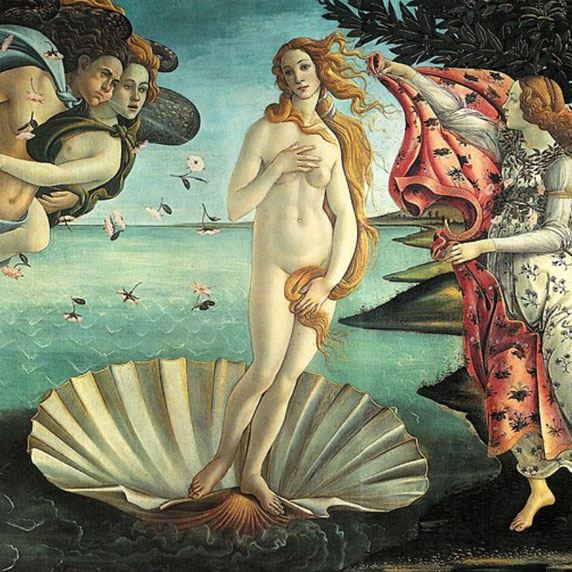
One of the most important museums in the world, the Uffizi Gallery houses an incomparable collection of Renaissance artwork. Here, you can admire iconic paintings such as Botticelli's "The Birth of Venus," Leonardo da Vinci's "The Annunciation," and works by Michelangelo, Raphael, and Caravaggio. It is a truly fascinating dive into art history.
Ponte Vecchio
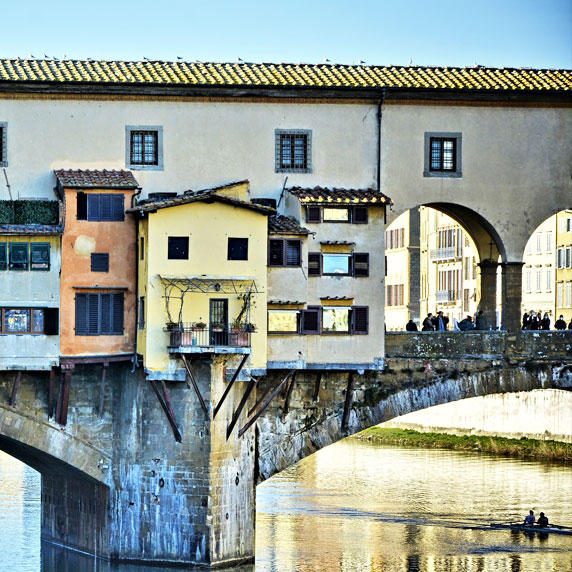
Ponte Vecchio is one of the most famous bridges in the world, built over the Arno River. It is known for its centuries-old jewelry and goldsmith shops that date back to medieval times. Walking along its banks at sunset, watching the river reflect the city lights in a simply magical setting, is a unique experience.
Pitti Palace and Boboli Gardens
The Pitti Palace, former residence of the grand dukes of Tuscany and the kings of Italy, houses the Palatine Gallery with works by Titian, Raphael, and Rubens. The Boboli Gardens, attached to the palace, are a classic example of Renaissance gardens, offering a lush green oasis of tranquility filled with sculptures, fountains, and stunning views.
Piazza della Signoria
This square is the political and social heart of Florence. Dominated by Palazzo Vecchio, the city hall, it functions as a true open-air museum with sculptures such as the replica of Michelangelo's "David," Cellini's "Perseus with the Head of Medusa," and the Fountain of Neptune.
Accademia Gallery (Galleria dell'Accademia)
The Accademia Gallery is home to the most famous sculpture in the world: Michelangelo's "David". In addition to this attraction that leaves any visitor speechless with its perfection and grandeur, the museum holds other incredible sculptures by the master and collections of sacred art.
Giotto's Bell Tower and the Baptistery of St. John
Just steps from the Duomo, Giotto's Bell Tower challenges visitors to climb its steps for an unparalleled panoramic view. Right in front, the Baptistery of St. John (Battistero di San Giovanni) delights with its impressive internal mosaics and bronze doors that are true artistic gems.
Basilica of Santa Croce and the Medici Chapels
Known as the "Pantheon of Italian Glories," the Basilica of Santa Croce is the resting place of illustrious figures such as Michelangelo, Galileo Galilei, and Machiavelli. Meanwhile, the Medici Chapels (Cappelle Medicee) at the Basilica of San Lorenzo hold Michelangelo's famous monumental sculptures: "Day and Night" and "Dusk and Dawn".
Piazzale Michelangelo
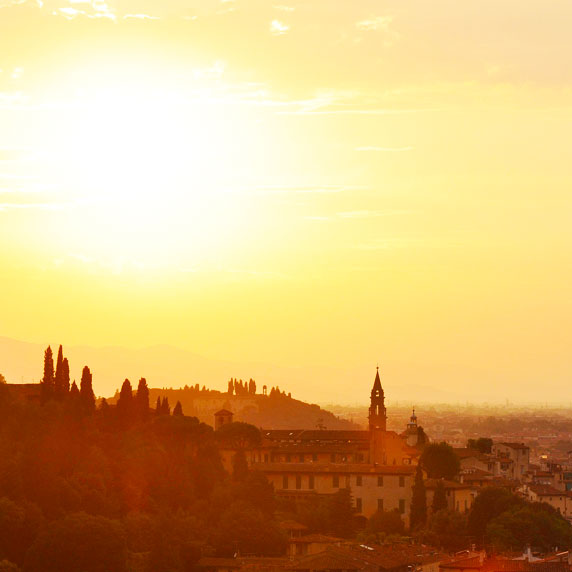
Situated on a hill on the other side of the Arno River, this viewpoint offers the most famous aerial perspective of Florence. Watching the Duomo, the Ponte Vecchio, and medieval towers stand out on the horizon late in the afternoon is an unforgettable spectacle.
Delicate Flavors and Traditional Florentine Dishes
Sitting down for lunch here is a ritual of pure pleasure, where the simplicity of peasant ingredients meets the tradition of aromatic vegetable gardens:
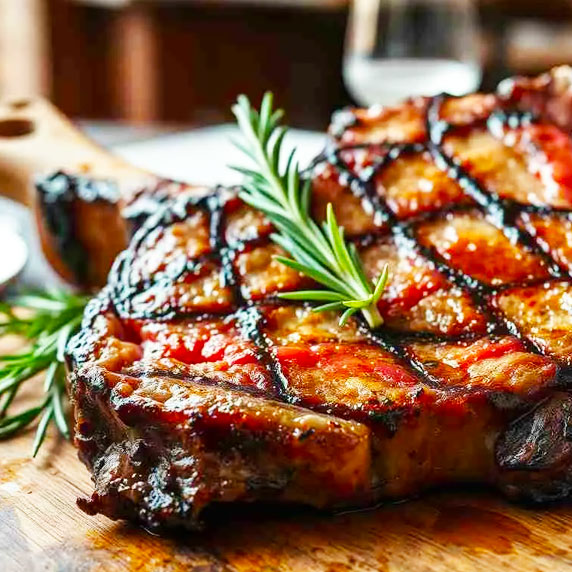
- "Bistecca alla Fiorentina": Iconic T-bone cut steak made from Chianina veal, grilled over embers and served deliciously rare (€45.00 to €75.00 per kilo).
- "Ribollita": A rustic, thick, and comforting soup made with stale bread, cannellini beans, kale, and seasonal vegetables (€9.00 to €14.00).
- "Pappa al Pomodoro": A velvety soup made with unsalted Tuscan bread, ripe fresh tomatoes, garlic, and basil leaves (€8.50 to €13.00).
- "Crostini di Fegato": Rustic appetizer toasts topped with a rich umami pate of chicken liver, capers, and anchovies (€6.00 to €10.00).
- "Lampredotto": The most traditional Florentine street food dish, made with stewed tripe served in a sandwich with green sauce (€5.00 per panino).
- "Cantucci e Vin Santo": Crunchy almond cookies served for dessert, ideal for dipping into sweet aromatic dessert wine (€7.00 per serving).
- "Schiacciata alla Fiorentina": A fluffy cake scented with orange zest and decorated with the classic lily emblem (€4.00 per slice).
- Chianti Classico Wine: World-famous red wine produced with Sangiovese grapes in the neighboring hills (€6.00 per glass).
Charming Tables: Where to Savor the Moment
For a laid-back lunch in the markets of Florence or an intimate candlelit Michelin-starred dinner.
Category 1: Authentic and Affordable Spots
Those family-friendly places with soul, where the food tastes like love and the prices fit your budget perfectly.
-
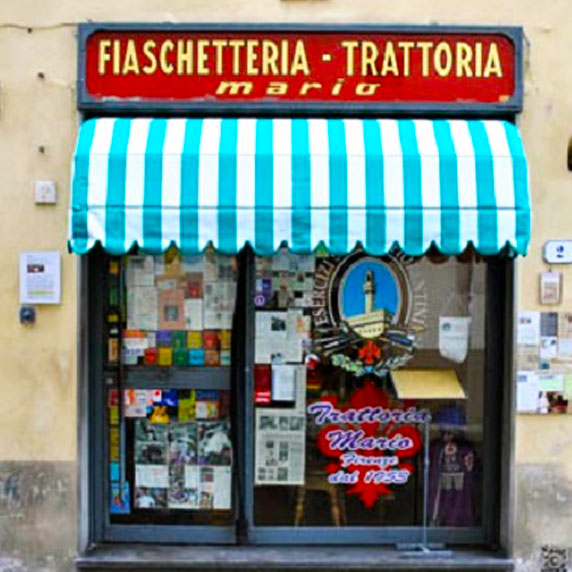
Trattoria Mario: Near the Central Market, with shared tables and authentic classic Tuscan dishes.
Average price per dish: €10.00 to €18.00. Read full reviews by accessing the hub to research more Restaurants in Florence on TripAdvisor. -
All'Antico Vinaio: Famous worldwide for its giant sandwiches filled with cold cuts and freshly baked breads.
Average price per sandwich: €7.00 to €12.00. -
La Buchetta Food & Wine: Offers traditional dishes like homemade ravioli with modern touches in a cozy atmosphere.
Average price per dish: €14.00 to €25.00. -
Gustapizza: Delicious heart-shaped pizzas cooked in a wood-fired oven in the Oltrarno neighborhood.
Average price per pizza: €7.00 to €11.00. -
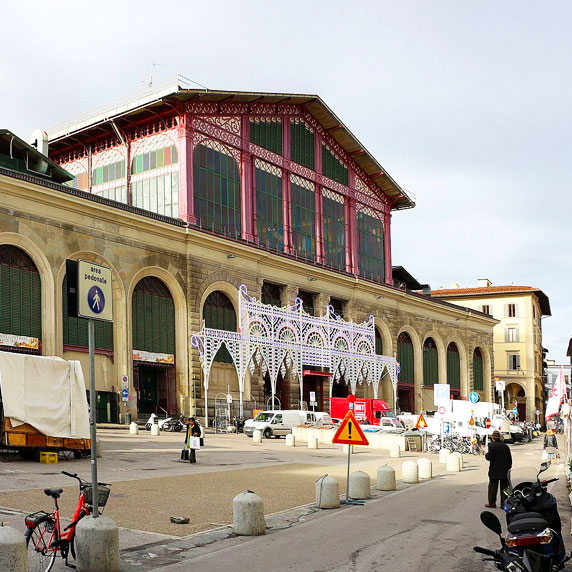
Central Market (Mercato Centrale): The upper floor is a contemporary paradise packed with stalls serving steaks, pasta, cheeses, pastries, and fine wines.
Average price: Varies by stall. Find more details and recommendations for Restaurants in Florence on TripAdvisor.
Category 2: Unforgettable and High-End Experiences
Fine dining venues, ideal for celebrating special moments with menus crafted by internationally renowned chefs.
-
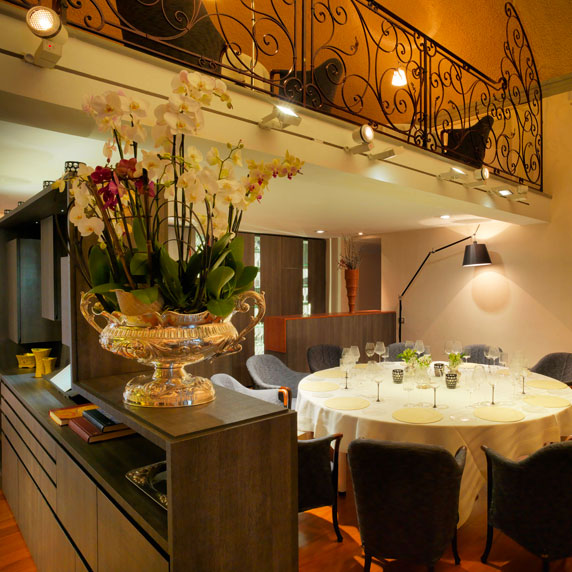
Enoteca Pinchiorri: Luxurious Renaissance palace boasting 3 Michelin stars and a legendary wine cellar with over 3,000 labels.
Average price per person: €250.00 to €350.00. -
Ora d'Aria: Creative and refined cuisine led by chef Marco Stabile, holder of one Michelin star.
Average price per person: €90.00 to €150.00. -
La Bottega del Buon Caffè: Fine seasonal dishes celebrating ingredients from private farms in a contemporary starred atmosphere.
Average price per person: €110.00 to €180.00. -
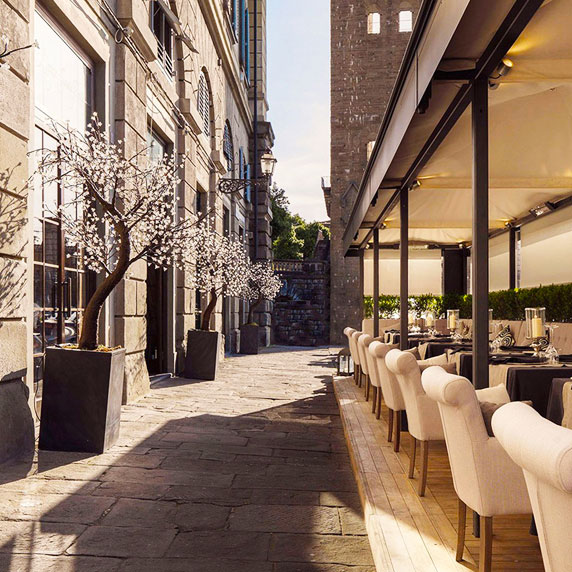
Borgo San Jacopo: Located at the Hotel Lungarno, it offers intimate tables facing the Arno River with flawless views of the Ponte Vecchio.
Average price per person: €120.00 to €200.00. Explore the full guide of Restaurants in Florence on TripAdvisor.
Charming Retreats: Where to Stay and Dream
Sleeping in Florence is a historic privilege. When the sun sets, the illuminated Renaissance facades gain an unmatched mystical and romantic aura.
Area 1: Historic Center and Banks of the Arno
Advantage: Wake up steps away from the main museums, hearing the ringing bells of the Duomo, and strolling across romantic medieval bridges.
-
Hotel Lungarno (Lungarno Collection): Luxurious boutique hotel located on the banks of the Arno River with sophisticated clean nautical decor and original artworks on the walls.
• Distance to attractions: Ponte Vecchio (1 min walk), Uffizi Gallery (4 min).
• Deciding Factor: Perfect for those seeking top-tier sophistication and the most romantic river views in Florence. -
Brunelleschi Hotel: Elegant boutique hotel built inside an ancient Byzantine tower and a restored medieval church right in the heart of the center.
• Distance to attractions: Duomo (2 min walk), Piazza della Signoria (3 min).
• Deciding Factor: Ideal for those who want to breathe architectural history inside romantic accommodations. See more fantastic options by visiting Hotels in Florence on Booking.com.
Area 2: San Frediano Neighborhood and Oltrarno
Advantage: A airier residential Tuscan atmosphere, packed with local artisan workshops, antique shops, and quiet squares.
-
Hotel Palazzo Guadagni: Gorgeous 16th-century palace located in Piazza Santo Spirito, featuring a breathtaking panoramic loggia (open terrace).
• Distance to attractions: Boboli Gardens (5 min walk), Ponte Vecchio (10 min).
• Deciding Factor: That breakfast or drink on the terrace overlooking terracotta rooftops that you will never forget. -
SoprArno Suites: A charming guesthouse featuring rooms with eclectic vintage design and plenty of romantic personality. If you want to research more exclusive accommodations in the Tuscan capital, see the selection at Hotels in Florence on Booking.com.
• Distance to attractions: Pitti Palace (3 min walk).
• Deciding Factor: Excellent choice for modern travelers and couples who love art and authentic design.
Routes from the Heart: How to Get to Florence
Florence attracts visitors from around the globe due to its riches. Reaching it is easy, comfortable, and offers unforgettable landscapes through Tuscan roads:
Departing from Rome
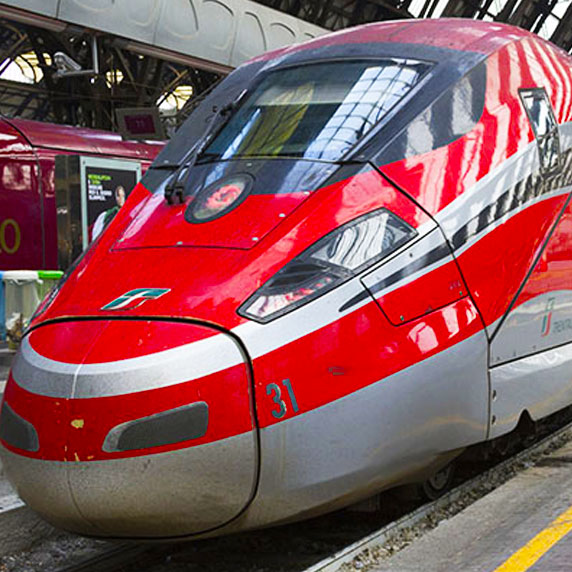
- By High-Speed Train (Highly Recommended): The fastest and most convenient way. High-speed Frecciarossa or Italo trains depart from Roma Termini and arrive at Firenze Santa Maria Novella (SMN) station in just 1h30.
*Insider tip: Buy online in advance to secure budget rates!* - By Rental Car: The trip takes around 3 hours along the main A1 highway (Autostrada del Sole). The route winds past beautiful hills in Umbria and Tuscany.
*Attention: Central Florence is a ZTL (Limited Traffic Zone). Unauthorized private cars are fined! Prefer peripheral parking lots or hotels with reserved garages.* - By Long-Distance Bus: Routes operated by partner companies such as FlixBus offer economical trips taking approximately 4 hours.
Arriving from Other Countries or Global Connections
- By Regional Flight Connection: Land directly at Florence Airport Amerigo Vespucci (FLR), also known as Peretola, located just 6 km away from the city center, receiving direct flights from major European capitals.
- By International Train: Connections coming from neighboring countries like France (Paris) or Switzerland (Zurich) arrive daily with quick transfers at hubs in Milan or Turin.
Getting Around: Enjoying Without a Rush
Florence is compact, easy to walk, and the unhurried pace of its historic neighborhoods invites you to keep your watch in your pocket:
On Foot
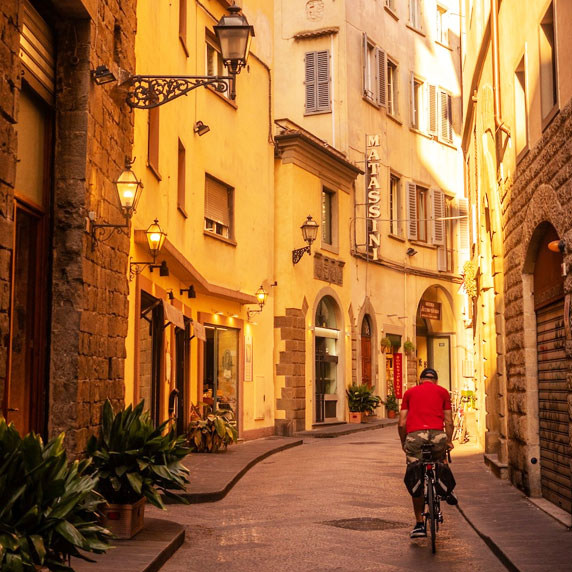
Without a doubt, the best and richest way to get around. Since the historic city center has restricted vehicle traffic, the squares, bridges, and monuments are entirely free for romantic and safe walks arm-in-arm.
Cost: Totally Free.
By Bus and Public Transit
The urban bus network operated by ATAF is efficient for reaching high, distant panoramic viewpoints like Piazzale Michelangelo. Single tickets cost around €1.50 and must be purchased in advance at tobacconists (Tabacchi shops).
By Shared Bikes and Scooters
The city is flat and offers great electric bike rental services via apps, making transit along the banks of the Arno River very fast, fun, and eco-friendly.
By Local Taxis
Available at designated ranks near railway stations and main squares. Private mobility apps also operate with regulated executive fleets.
Poetic 1-Day Itinerary: The Awakening of David
A perfectly planned itinerary for those with only one day, but who wish to capture the entire romantic and photogenic essence of the Renaissance capital:
Morning: Marble Heart and Supreme Art (09:00 - 12:00)
Start your day early: walk to Piazza del Duomo to admire up close the immense facade of the Cathedral of Santa Maria del Fiore. Continue on foot to the Accademia Gallery to contemplate the grandeur and sculptural perfection of Michelangelo's real David (book your ticket months in advance!).
Lunch with Aromas of Olive Oil and Pesto (12:30 - 14:00)
Head near the charming Mercato Centrale and take a seat at a traditional family trattoria. Savor a generous portion of handmade pasta or share an authentic bistecca alla fiorentina accompanied by Tuscan red wine. Find extra inspiration in the rankings of Restaurants in Florence on TripAdvisor.
Afternoon: Historic Bridges and Postcard Sunset (14:30 - 18:30)
Cross the vibrant Piazza della Signoria, take photos under statues, and wander through the centuries-old jewelry shops on the romantic Ponte Vecchio. In the late afternoon, take a bus or taxi up to the Piazzale Michelangelo viewpoint. There, you will watch the most beautiful sunset in Tuscany, as the outline of the domes turns to golden and violet hues.
Romantic Dinner Under the Stars
End the day dining in front of the Arno River in the Oltrarno neighborhood, savoring a traditional pappa al pomodoro soup paired with glasses of Chianti wine.
2-Day Itinerary: Hidden Secrets and the Essence of Tuscany
Add depth to your travel experience by dedicating the second day to diving into world-class museums and the green retreats of Tuscan dukes:
Day 1: Classic Renaissance Charm
Follow the detailed steps of the 1-Day Itinerary to uncover iconic squares, medieval bridges, and the city's main postcards.
Day 2: Majestic Museums, Gardens, and Wine Horizons
Morning: Immersion in Masterpieces (09:00 - 12:30)
Begin the day entering directly into the halls of the legendary Uffizi Gallery. Spend the morning being moved by Botticelli's original brushstrokes in "The Birth of Venus" and "Primavera," as well as admiring dedicated rooms for Leonardo da Vinci and Raphael.
Lunch in the Heart of a Palace (13:00 - 14:30)
Cross the Ponte Vecchio toward the Oltrarno neighborhood and enjoy a refined gourmet lunch at a bistro near the grand facade of Pitti Palace.
Afternoon: Royal Retreat and Green Labyrinths
Spend the afternoon strolling unhurriedly through the breathtaking Boboli Gardens, exploring monumental fountains, classical statues, hidden grottoes, and open lawns perfect for taking unforgettable photos.
Farewell Dinner
End your stay by raising a glass of Vin Santo with delicious cantucci cookies near the legendary Basilica of Santa Croce, sealing memories of a trip perfect for the soul.
The Essence of Terroir: Renowned Wineries of Florence
Florence, capital of the Tuscany region in Italy, is one of the world's epicenters of wine culture. The city and its surroundings house some of the most famous and historical wineries in the world, known for producing top-quality wines, especially reds made from the Sangiovese grape. Below are the main wineries in the region:
Antinori and Tenuta Tignanello
Antinori is one of the oldest and most respected families in the wine world, with a history dating back to the 14th century. Their wineries, located near Florence, are synonymous with excellence and tradition. Antinori is famous for iconic wines such as Tignanello and Solaia, which revolutionized Italian winemaking by introducing modern techniques, such as using French oak barrels. Tenuta Tignanello deserves special mention as the birthplace of the famous Tignanello, one of Italy's most iconic wines and a pioneer in the "Super Tuscan" category, challenging traditional appellation rules by blending international grapes like Cabernet Sauvignon with classic Sangiovese.
Frescobaldi
Another legendary name in the Florence region is Frescobaldi, a family that has been producing wine for over 700 years. With several estates in Tuscany, including the famous Tenuta di Castiglioni, Frescobaldi is known for elegant and complex wines such as Ornellaia (produced in partnership with Mondavi) and Nipozzano Chianti Rufina. The family also played an important role in Florence's history, maintaining ties with figures like Michelangelo and the Medici family.
Castello di Verrazzano
Located in the Chianti hills, just a few kilometers from Florence, Castello di Verrazzano is one of the most picturesque and historical wineries in the region. The castle, which belonged to the Verrazzano family (famous for the explorer Giovanni da Verrazzano), has been producing wine since the 15th century. Its wines, such as Chianti Classico and Sassello, are known for their authenticity and expression of terroir. The winery also offers unique food and wine experiences, combining wine tastings with traditional Tuscan dishes.
Castello di Ama
Situated in the Chianti Classico region, Castello di Ama is a winery that combines contemporary art with winemaking tradition. Its wines, such as L'Apparita (one of the first "Super Tuscans" to use Merlot) and Chianti Classico Gran Selezione, are acclaimed by international critics. The winery is also known for its art installations, attracting art and wine lovers from around the globe.
Fattoria di Fèlsina
Located in the Chianti Classico region, Fattoria di Fèlsina is known for its robust and elegant wines, such as Fontalloro and Chianti Classico Riserva Rancia. The winery is recognized for its commitment to quality and the authentic expression of Tuscan terroir in its wines.
Castello del Terriccio
Although a bit further from Florence, Castello del Terriccio is one of Tuscany's most prestigious wineries. Its wines, such as Lupicaia (an acclaimed "Super Tuscan"), are crafted with selected grapes and modern techniques, maintaining a perfect balance between tradition and innovation.
The wineries in and around Florence represent the heart of Italian winemaking tradition. Combining history, innovation, and deep respect for the terroir, these estates produce wines that are true masterpieces. Whether it is classic Chianti Classico or bold "Super Tuscans," the region's wines continue to enchant oenophiles worldwide, keeping Tuscany's cultural and wine heritage alive.
Best Time of Year to Visit Florence
Florence, the birthplace of the Renaissance, is a destination that delights visitors at any time of year. However, to make the most of your experience in the Tuscan city, it is important to consider factors such as weather, tourist crowds, and local events. The best time to visit Florence, therefore, is during spring (from April to June) and autumn (from September to October).
During spring, Florence comes alive with mild temperatures ranging between 15°C and 25°C, providing an ideal climate for exploring cobblestone streets, lush gardens, and famous open-air monuments like the Duomo and Piazza della Signoria. Furthermore, the landscape is enriched by blooming plants and trees, creating a stunning setting for walks and photos. Spring also marks the start of the peak tourist season, though it has not yet reached the crowding levels of summer.
Autumn, in turn, offers an equally pleasant climate, with temperatures between 14°C and 24°C, and a calmer atmosphere as tourist crowds begin to diminish after summer. The warm colors of falling leaves in streets and parks, like the Boboli Gardens, add special charm to the city. Additionally, autumn is harvest season in Tuscany, meaning visitors can enjoy fresh products like grapes and olives, and participate in food festivals celebrating rich regional cuisine.
Avoiding summer (July and August) can be a good idea for those who prefer to escape crowds and intense heat, which can exceed 35°C. Winter, although colder and wetter, has its own charm, with fewer tourists and the opportunity to enjoy the city at a slower pace, alongside events like Christmas and New Year that fill Florence with festive lights and decorations.
In summary, spring and autumn are the best times to visit Florence, offering a perfect balance of pleasant weather, natural beauty, and a rich cultural experience without the extremes of summer or winter.
Transit and Convenience: From the Airport to Downtown Florence
Florence-Peretola Airport, located just 6 km from the historic city center, offers several transit options for visitors wanting to reach the heart of Florence quickly and efficiently. Below are the main available modes of transportation:
Final Tips for Passengers
- Tickets: It is recommended to buy public transportation tickets in advance to avoid long lines.
- Schedules: Check transport schedules, especially if arriving late at night or on holidays.
With these options, reaching the center of Florence from Peretola Airport is simple and affordable, allowing you to start exploring the city hassle-free. Have a great trip!
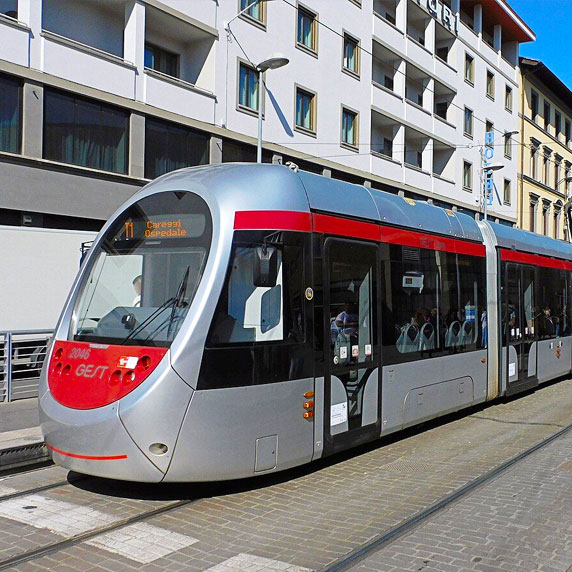
Tramvia (Tram)
- Line T2: The most practical and economical option is the tramvia (tram). Line T2 connects the airport directly to downtown Florence, with strategic stops such as Santa Maria Novella Station (the city's main train station) and Piazza dell'Unità Italiana. The trip takes approximately 20 minutes, and tickets can be bought at automatic machines at the airport or at tram stops.
- Frequency: Trams depart every 5 to 10 minutes, depending on the time of day.
- Cost: Approximately €1.50 (single ticket).
Taxi and Urban Buses
- Official Taxi: For those preferring extra comfort, taxis are available right outside. The fixed fare from the airport to the central area costs around €20–€25, taking about 15 to 20 minutes.
- Urban Bus (ATAF Line 23): Connects the airport to the center with frequent departures every 20–30 minutes, costing €1.50 per single ticket.
Private Transfer, Car Rental, or Walking
- Transfer and Rental: Private executive services can be booked in advance. Always remember the strict ZTL restrictions in central areas.
- Walking: Although not a common choice, adventurous travelers with light luggage can take an approximate 1h30 walk to explore the surroundings.
Nearby Trips: Florence's Importance as a Base in Tuscany
Florence's strategic and central location makes it easy to take wonderful day trips to other iconic cities and attractions in the region:
1. Pisa
Known worldwide for its famous Leaning Tower located in the Square of Miracles, as well as housing beautiful medieval cathedrals and historical baptisteries.
- What to see: The Leaning Tower of Pisa, the Cathedral of Santa Maria Assunta, and the Baptistery of St. John.
- Logistics and Costs: The most practical way is traveling by rail. Frequent regional trains connect both cities in just 1 hour of scenic travel (€9.30 each way).
2. Siena
A charming medieval city and historical rival of Florence, famous for its beautiful Piazza del Campo where the historic Palio horse race takes place annually.
- What to see: Piazza del Campo, the imposing striped-marble Duomo of Siena, and strolling through preserved medieval alleys in the neighborhood districts (contrade).
- Logistics and Costs: Direct intercity buses (Autolinee Toscane) offer the fastest route in about 1 hour and 15 minutes (€8.50 ticket).
3. San Gimignano
Known worldwide as the "Manhattan of the Middle Ages" due to its imposing preserved medieval stone towers that shape the horizon of the Tuscan hills.
- What to see: Climb Torre Grossa to admire views of the vineyards, stroll through Piazza della Cisterna, and enjoy award-winning gelato at Gelateria Dondoli.
- Logistics and Costs: About 1 hour and 30 minutes by rental car or by combining train lines to Poggibonsi and taking the connected local bus (€7.00 cost).
4. Chianti Wine Region and Cinque Terre
The gorgeous classic Chianti wine region extends just a few kilometers from Florence's doorstep, perfect for scenic food and wine drives. Meanwhile, the iconic coastal strip of Cinque Terre can be visited on full-day exploration trips.
- What to see: Wine tastings in historic cellars in Greve in Chianti; or taking an early morning fast train toward the coastal villages of Riomaggiore and Manarola.
- Logistics and Costs: Car drives through Chianti; train tickets to Cinque Terre cost around €15.00 to €25.00 with an average 2h30 travel time.
In addition, Florence offers excellent tourism infrastructure, featuring hotels, restaurants, and agencies organizing tours across Tuscany. Its rail and road connectivity provides easy access to virtually every corner of the region, making it the perfect base for anyone wanting to explore Tuscany's beauty and culture.