
Ferrara
Complete Guide to the Capital of the Renaissance and City of Bicycles
The Renaissance Elegance of the d'Este Jewel
If you are looking for a city in Italy where perfect urban planning meets fairytale castles and a serene atmosphere far from mass tourism, Ferrara is your ideal destination. Recognized as a UNESCO World Heritage Site, the city is the perfect example of Renaissance urban planning idealized by the ambitious d'Este dynasty.
Here at Roteiro na Itália, we present Ferrara as a true open-air museum: a city where cars give way to bicycles, medieval alleys connect to imposing avenues, and palaces display facades carved in diamond points.
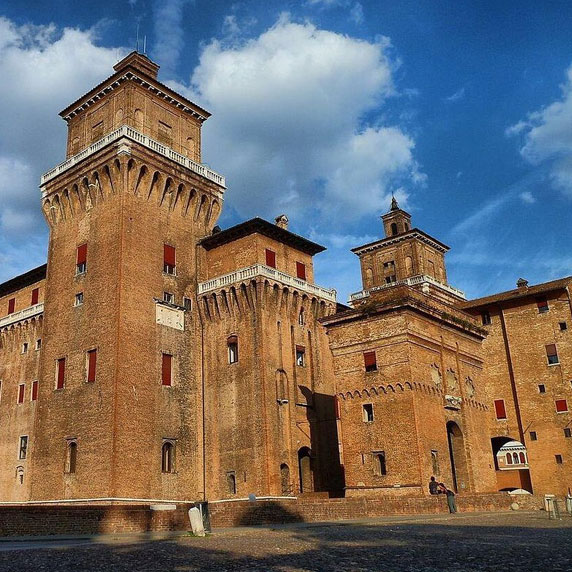
The History of Ferrara: The Cradle of Modern Urbanism
Ferrara began to gain prominence in the Middle Ages, but it was under the rule of the influential and cultured d'Este family (from the 13th to the late 16th century) that the city experienced its golden peak, becoming one of the most refined courts of Renaissance Europe.
In 1492, Duke Ercole I d'Este commissioned architect Biagio Rossetti with the expansion plan known as Addizione Erculea. This visionary project is considered by historians to be the first modern urban master plan in the Western world, harmoniously integrating the ancient medieval grid with planned Renaissance neighborhoods.
The Nicknames of Ferrara: Urbanism, Bicycles and Art
Possessing a very strong cultural identity in Emilia-Romagna, Ferrara takes pride in its historical titles:
- Europe's First Modern City: Title granted by UNESCO due to its innovative and planned architectural conception in the 15th century.
- Città delle Biciclette (The City of Bicycles): With completely flat terrain and restricted traffic areas, Ferrara is the Italian city with the highest number of cyclists per capita.
- The Cultural Capital of the d'Este: An influential pole of attraction for great masters of arts and literature, such as Piero della Francesca, Jacopo Bellini, and the poet Torquato Tasso.
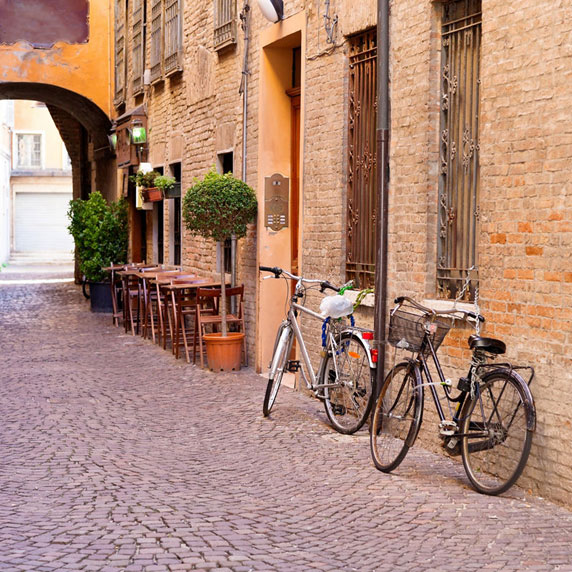
What to Do in Ferrara: Main Tourist Attractions
Most of Ferrara's attractions are concentrated within its belt of walls, making visits easy on foot or on two wheels:
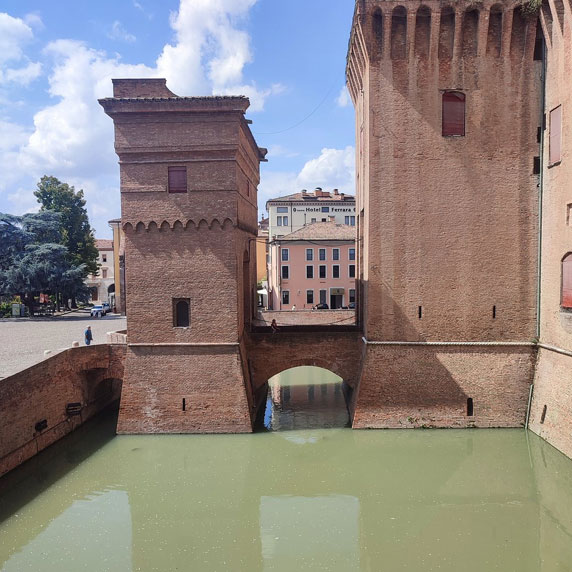
1. Castello Estense (Castle of Saint George)
Ferrara's great symbol. Built in 1385 as a defensive fortress to protect the royal family from popular revolts, it is one of the rare castles in Europe that preserves its *water-filled moat*, drawbridges, impressive dungeons, and frescoed ducal apartments.
2. Cattedrale di San Giorgio
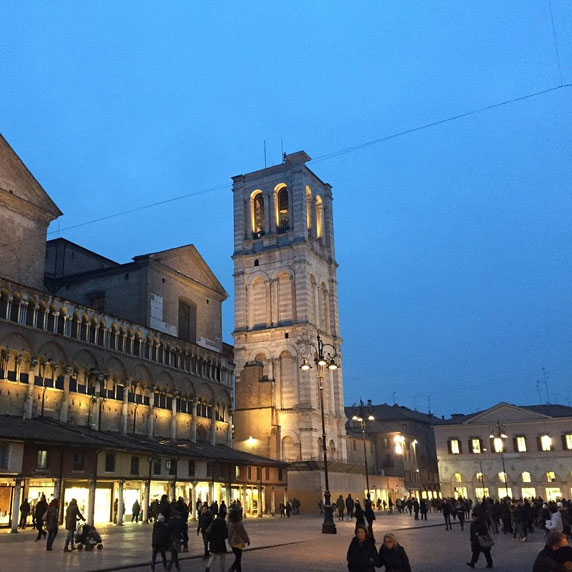
Located in the bustling Piazza Trento e Trieste, Ferrara Cathedral stands out for its spectacular triple white marble facade combining the grandeur of the Romanesque style with the ornamented details of the Gothic.
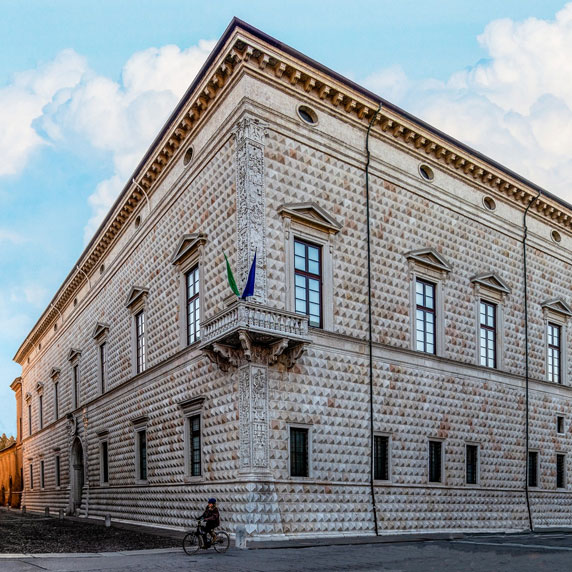
3. Palazzo dei Diamanti
Located at the intersection of the Addizione Erculea, this palace owes its name to the more than 8,500 marble blocks carved into diamond point shapes that coat its facade. Today it houses the celebrated Pinacoteca Nazionale di Ferrara.
4. Via delle Volte
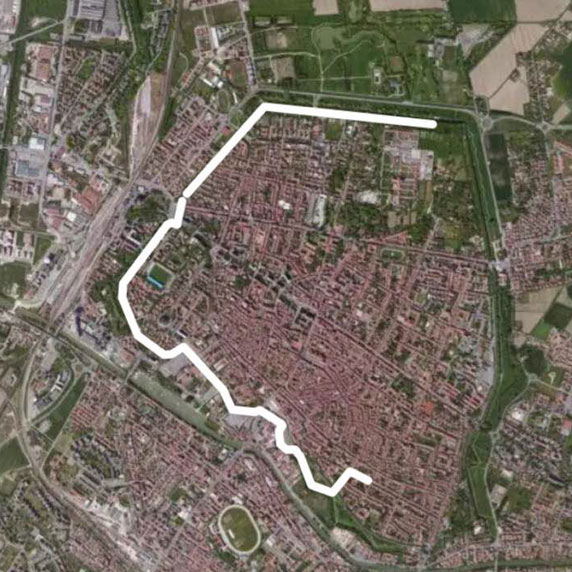
A cobblestone street over 2 km long that preserves the city's medieval essence. Its elevated arches and aerial passages connected merchants' warehouses to their residences.
5. Palazzo Schifanoia
Created as a leisure refuge for the d'Este court ("schifar la noia" literally means "to ward off boredom"). The palace is world-famous for its Salone dei Mesi, decorated with Renaissance frescoes about astrology and mythology.
6. Ferrara's Hidden Secrets
- Mura di Ferrara: There are 9 km of preserved Renaissance fortifications surrounding the city, transformed into a linear park perfect for walks or bike rides.
- Cimitero Ebraico: The historic Jewish cemetery located in a quiet green park, immortalized in the novel The Garden of the Finzi-Continis.
- Rotonda Foschini: An oval and photogenic inner courtyard belonging to the Teatro Comunale Claudio Abbado.
Trip Planning: When to Go and How Long to Stay
How many days to stay in Ferrara?
1 day (Day trip): Sufficient to visit the Castello Estense, walk through the historic center, view the Palazzo dei Diamanti from the outside, and have lunch at a medieval osteria.
2 days (Ideal): Allows you to visit the museums leisurely (Palazzo Schifanoia and Pinacoteca), ride along the length of the walls by bicycle, and enjoy the illuminated evening atmosphere in the squares.
Best time to visit
Spring (March to May) and Autumn (September to November) offer very pleasant climates for bike riding. In May, the city hosts the famous Palio di Ferrara, the oldest historical horse race in the world.
Ferrara Gastronomic Guide: Flavors of the d'Este Court
Ferrarese cuisine preserves Renaissance recipes created for court banquets, standing out for its combination of sweet and savory flavors.
Indispensable Typical Specialties
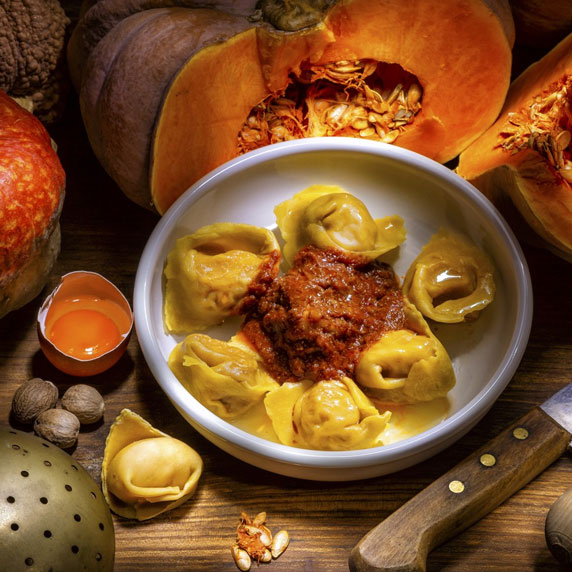
- Cappellacci di Zucca IGP: Pasta filled with yellow pumpkin, nutmeg, and Parmigiano, traditionally served with ragù sauce or butter and sage.
- Pasticcio di Maccheroni: Aristocratic dish combining pasta with meat sauce and mushrooms inside a sweet shortcrust pastry shell.
- Coppia Ferrarese IGP: The city's traditional twisted and crunchy bread, famous for its history dating back to 1536.
- Salama da Sugo IGP: Pork cold cut seasoned with red wine and spices, served hot over mashed potatoes.
- Pampepato di Ferrara IGP: Renaissance-origin Christmas sweet made with cocoa, spices, dried fruits, and a dark chocolate coating.
Where to Eat in Ferrara: Restaurant Suggestions
From historic medieval taverns to modern restaurants with exquisite regional dishes.
-
Budget (€)
Al Brindisi (recognized by Guinness as the oldest wine bar in the world, frequented by Copernicus) or Caffè della Piazzetta for a quick snack with Coppia Ferrarese.
-
Mid-range (€€)
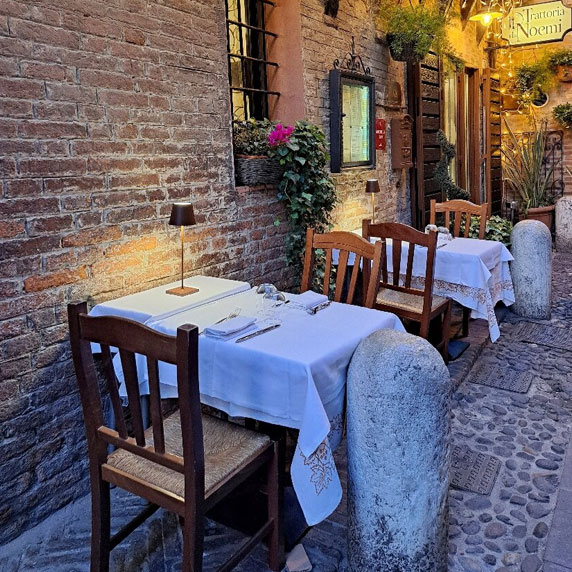
Trattoria da Noemi or Osteria I Quattro Angeli. Cozy central locations, perfect for trying artisanal Cappellacci di Zucca.
-
Exclusive Experience (€€€)
Ristorante Ca' D'Frara or Cucina Bacilieri. Excellent haute cuisine that reinvents classic Renaissance dishes with technical innovation.
Where to Stay in Ferrara: Accommodation Tips
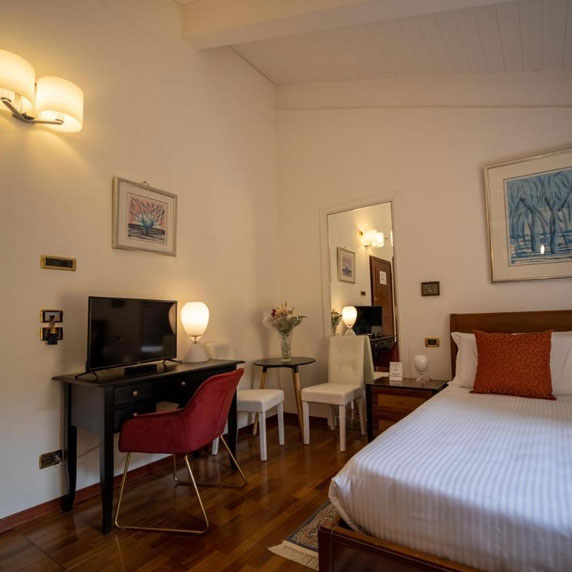
Being a compact city, staying within the perimeter of the walls guarantees an extremely pleasant experience:
- Historic Center (Piazza Trento e Trieste / Castello): Ideal for those who want to step out of the hotel directly into historical attractions and restaurants.
- Addizione Erculea Neighborhood (North): A quieter, tree-lined, and charming area near Palazzo dei Diamanti.
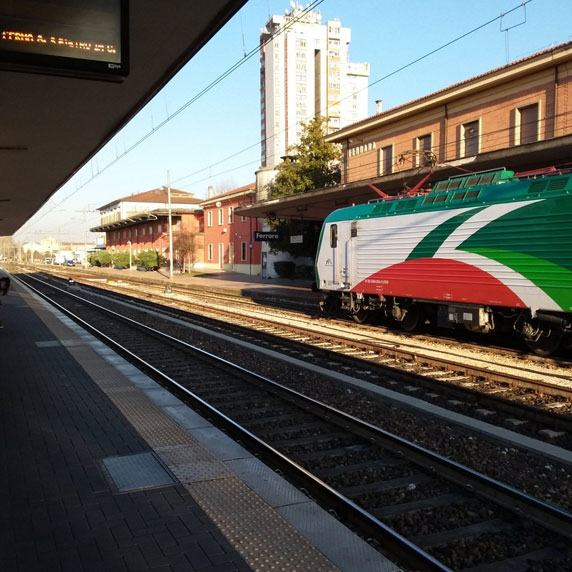
- Near the Railway Station: Practical for those traveling by train, just a 15-minute walk from Castello Estense.
To check and compare accommodations with real reviews, consult Booking.com Ferrara.
How to Get There and Get Around Ferrara
By Train (Recommended Option)
Ferrara is super accessible by train. From Bologna, the regional train ride takes only 30 minutes. Coming from Venice, the direct trip takes about 1 hour.
By Car and Attention to ZTL
Ferrara's center is almost entirely a Zona a Traffico Limitato (ZTL) monitored by cameras.
Parking Tip: Park in the large paid parking lot Parcheggio Centro Storico (Ex-Mof), located near the southern walls.
Day Trips from Ferrara
Explore natural landscapes and historic towns near Ferrara:
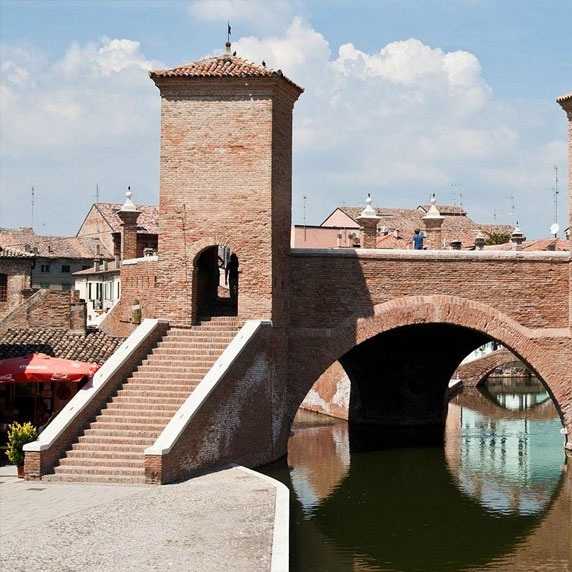
- Po Delta (Comacchio): Known as "Little Venice", famous for its canals, brick bridges, and flamingo watching in the natural park.
- Abbazia di Pomposa: A majestic medieval Benedictine abbey situated in the rural interior, famous for its 14th-century frescoes.
- Rovigo and the Polesine: A quiet destination in the Veneto region, just a few minutes by train north of Ferrara.
Practical Tips for Your Trip to Ferrara
- Rent a Bike Early: There are several rental points near the station and Castello Estense. Riding along the walls is the city's best activity.
- Buy the MyFe Card: The city's official tourism pass grants discounted access to major museums and exemption from the tourist tax.
- Pay Attention to Museum Hours: Several palaces and museums close on Mondays. Plan your visit between Tuesday and Sunday.
Suggested Itinerary: 1 Day in Ferrara Step by Step
Morning (09:00 - 12:30):
- Start your journey at the imposing Castello Estense, visiting its courtyards, bridges, and frescoed rooms.
- Head to Piazza Trento e Trieste to admire the facade of Cattedrale di San Giorgio.
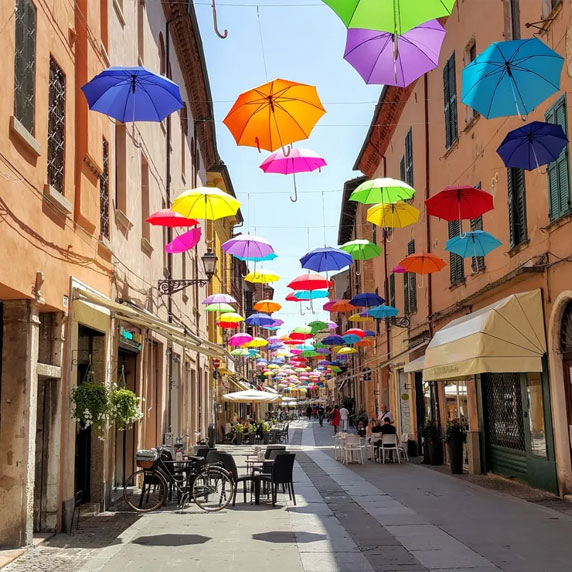
- Stroll through the mystical and photogenic Via delle Volte in the medieval center.
Lunch (12:30 - 14:30):
Sit down at a historic osteria to taste the famous Cappellacci di Zucca accompanied by a glass of the regional wine Fortana del Bosco Elfeo.
Afternoon (14:30 - 18:00):
- Walk along Corso Ercole I d'Este toward the impressive Palazzo dei Diamanti.
- Rent a bicycle for a relaxing ride on top of the Walls of Ferrara.
- End the afternoon enjoying a coffee or aperitif at the historic wine bar Al Brindisi.
Frequently Asked Questions About Ferrara (FAQ)
Is it worth visiting Ferrara on a day trip from Bologna?
Yes, it is one of the best day trips in the region! Ferrara is just 30 minutes away by regional train from Bologna, featuring fast transportation and direct access to the historic center.
Is it easy to explore Ferrara by bicycle?
Absolutely. Ferrara is nationally known as the City of Bicycles. The flat streets, wide ZTL area, and 9 km of Renaissance walls are ideal for riding on two wheels.
What is Ferrara's must-see main attraction?
The Castello Estense, a 14th-century medieval fortress in the heart of the city, surrounded by a water-filled moat and featuring richly frescoed rooms.
Explore Other Cities in Emilia-Romagna
The Emilia-Romagna region has one of the most efficient railway networks in all of Italy. Take advantage of your trip to connect Ferrara to other incredible destinations:
Bologna
The regional capital and major transportation hub. Famous for its over 40 km of porticoes (UNESCO Heritage), the oldest university in the Western world, and its legendary gastronomy.
Modena
The capital of engines and traditional balsamic vinegar. City of Ferrari, legendary chef Massimo Bottura, and a UNESCO-listed historic center.
Parma
Creative City of Gastronomy by UNESCO, world-famous for Parmigiano Reggiano, Prosciutto di Parma, and the magnificent Teatro Farnese.
Ravenna
Famous worldwide for its 5th- and 6th-century Byzantine mosaics, declared World Heritage Sites by UNESCO, and for housing Dante Alighieri's tomb.
Piacenza
Located on the border with Lombardy, a quiet and elegant city full of noble palaces, Romanesque churches, and an excellent tradition of cold cuts and wines.
Rimini
The famous Adriatic coast resort combining vibrant beaches with a rich historic center of Roman origin and filmmaker Federico Fellini's legacy.
Ready to Discover the Charms of Ferrara?
Ferrara offers an unforgettable dive into the Italian Renaissance. Whether walking along the medieval walls, admiring the reflections of Castello Estense in the water, or savoring a traditional Cappellacci di Zucca, the city guarantees unique memories.
Continue browsing Roteiro na Itália to plan every detail of your trip through Emilia-Romagna. Safe travels!