Turin
An Elegant and Surprising Destination in the Heart of Italy
Where Royal Nobility Meets the Charm of Grand Avenues
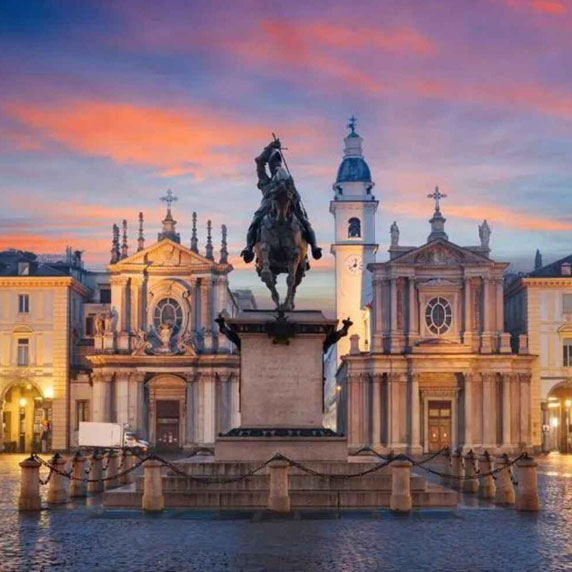
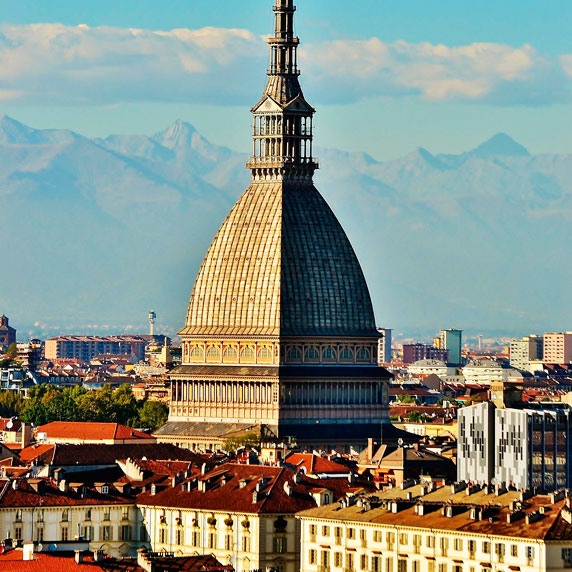
If I close my eyes now, I can still hear the clinking of silver spoons in historic cafes and smell the unmistakable aroma of chocolate with hazelnuts floating beneath the elegant baroque porticos. I am walking through the sumptuous Piazza San Carlo, marveling at the perfect symmetry of its aristocratic facades that seem straight out of a story about European royalty. Ahead of me, the imposing silhouette of the Mole Antonelliana sketches the horizon against the snow-covered Alps. Turin is not a city of tourist pressures; it is a refined secret, an embrace of pure sophistication that invites us to walk slowly. Known for its sophistication and charm, Turin (Torino) is a hidden gem in northern Italy, perfect for travelers seeking culture, history, and an authentic experience away from the crowds.
To plan your cultural journey, check schedules for royal palaces and major exhibitions, consult the official tourist portal of the Comune di Torino.
Fascinating Culture and History
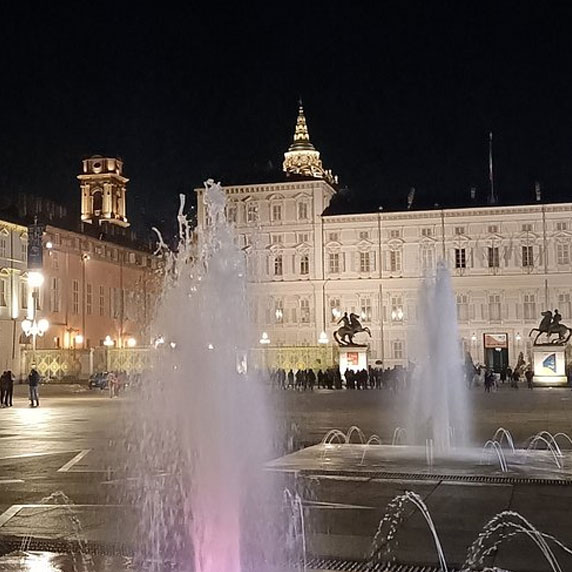
Turin was the first capital of unified Italy and carries a royal legacy, with its majestic palaces, such as the Royal Palace of Turin and Palazzo Madama. The city also houses the Egyptian Museum, the second most important in the world for Egyptian artifacts, second only to Cairo's.
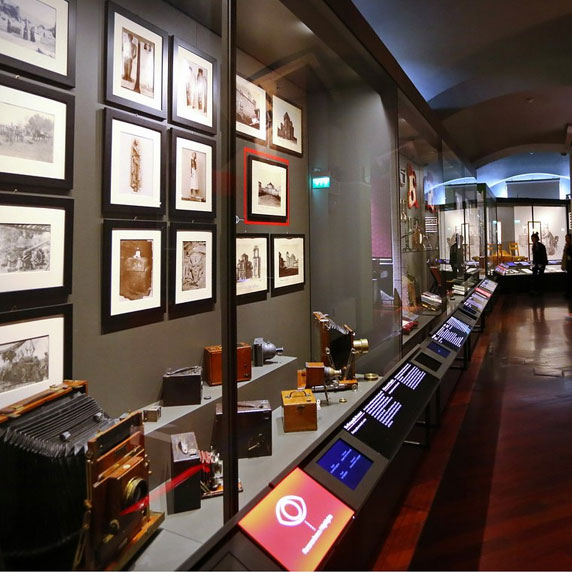
For art lovers, the Galleria Sabauda and the National Museum of Cinema – located inside the iconic Mole Antonelliana – are mandatory stops.
The Foundation of Turin (Torino): Origins and History
Turin, today one of Italy's main cities and capital of the Piedmont region, has a millennial history dating back to Antiquity. Its foundation is linked to ancient peoples and military strategies of the Roman Empire.
Pre-Roman Origins
Before the Romans, the region where Turin now stands was inhabited by the Taurini, a people of Celtic or Ligurian origin who settled in the Po River valley around the 5th century BC. They founded a small settlement called Taurasia, which later gave rise to the name Torino.
The Arrival of the Romans
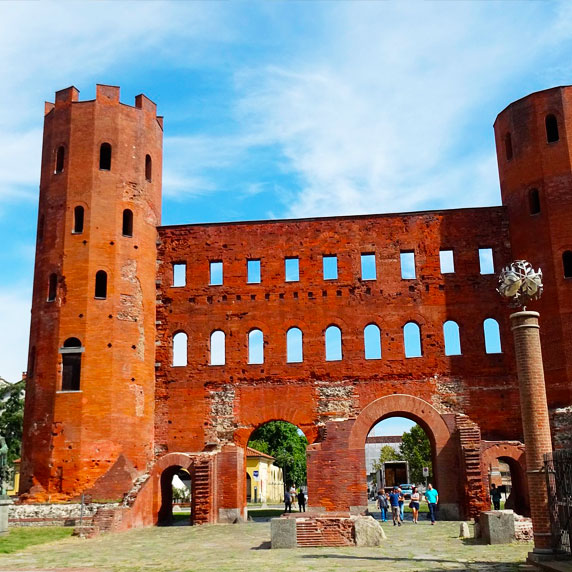
In the 1st century BC, the Romans advanced into the region during their expansion campaigns. In 28 BC, Emperor Augustus officially founded a military colony on the site, called Augusta Taurinorum, as part of a plan to defend trade routes and control the Alps.
The city was built in the classic Roman style, with a grid layout (rectangular streets), a forum, thermal baths, and an amphitheater. Its strategic location, between the Alps and the Po River, made it a highly important administrative and military center.
From the Fall of Rome to the Middle Ages
With the fall of the Roman Empire, Turin experienced invasions by Ostrogoths, Lombards, and Franks. In the 6th century, it became part of the Lombard Kingdom and later the Holy Roman Empire.
In the 12th century, Turin gained autonomy as a free commune, but was soon disputed by regional powers, such as the Marquises of Montferrat and the Counts of Savoy.
The Rule of Savoy and the Transformation into a Capital
In 1280, Turin was conquered by the House of Savoy, a noble family that transformed it into one of their main centers of power. In the following centuries, the city grew in political and cultural importance.
In 1563, Duke Emmanuel Philibert of Savoy transferred the capital of his duchy from Chambéry (in present-day France) to Turin, initiating an era of great development. The city gained baroque palaces, such as the Royal Palace, and modern fortifications.
Modern and Contemporary Turin
In the 18th and 19th centuries, Turin became a center of the Risorgimento (Italian unification movement) and, in 1861, was the first capital of the Kingdom of unified Italy, before Florence and Rome.
Today, Turin is known for its history, baroque architecture, automotive industry (as the headquarters of FIAT), and rich culture, including the famous Shroud of Turin.
Summary of Key Historical Dates
- 5th Century BC: Settlement by the Taurini.
- 28 BC: Roman foundation as Augusta Taurinorum.
- 6th Century AD: Lombard and Frankish rule.
- 1280: Control by the Savoy family.
- 1563: Turin becomes capital of the Duchy of Savoy.
- 1861: First capital of unified Italy.
Trails of Charm: Unmissable Monuments to Discover
Walking through Turin means being enchanted by sumptuous royal palaces and museums unique in the world.
Mole Antonelliana and National Museum of Cinema
Turin's great postcard landmark, this imposing and eccentric building houses the National Museum of Cinema, one of the most important in the world in its category. The transparent panoramic elevator takes visitors directly to the top of the monument, revealing a spectacular 360-degree view of the entire city against the majestic outline of the Alps.
Royal Palace (Palazzo Reale) and Chapel of the Holy Shroud
Former official residence of the kings of the influential House of Savoy, the Royal Palace is a UNESCO World Heritage Site. Its gold-covered halls and tapestries, the marvelous Chapel of the Holy Shroud (where the Holy Shroud was protected for centuries), and the vast Royal Gardens are absolute must-see stops for travelers.
Cathedral of Saint John the Baptist (Duomo di Torino)
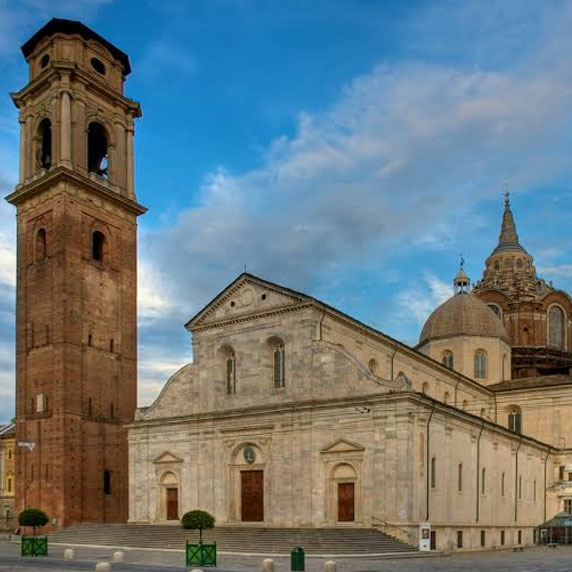
Being the only and beautiful remaining example of pure Renaissance architecture in the city of Turin, this ancient and imposing cathedral houses within its interior the historic Chapel of the Holy Shroud, the mysterious and sacred cloth that allegedly wrapped the body of Jesus Christ.
Egyptian Museum (Museo Egizio)
World-renowned as the second largest Egyptian museum on the planet, second in collection of relics only to the Cairo museum itself. Its impressive and valuable archaeological collection includes perfectly preserved mummies, colossal statues of pharaohs, and dozens of fascinating artifacts from Ancient Egypt.
Castello Square (Piazza Castello) and Palazzo Madama
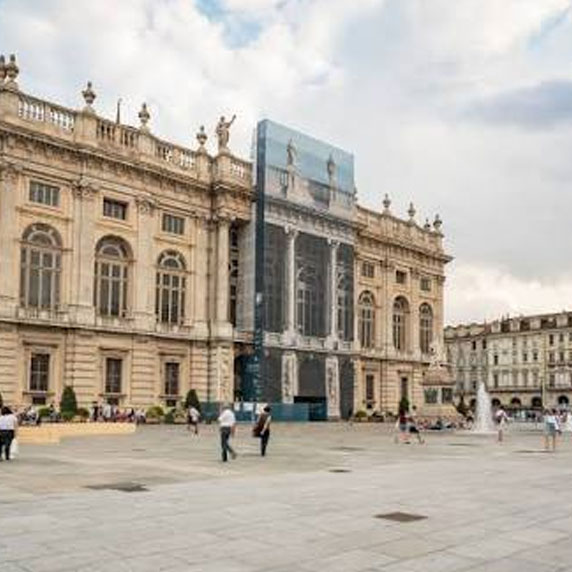
Considered the true geographical and historical heart of the city, the square is surrounded by imposing commercial and governmental buildings. Highlights include the fascinating Palazzo Madama, a mixed structure uniting an authentic fortified medieval castle with a splendid Italian baroque facade, as well as the traditional Teatro Regio, world-famous for its exquisite opera seasons.
Basilica of Superga
Located atop an imposing panoramic hill, this sumptuous baroque-style basilica offers a breathtaking aerial view. Beyond its architectural and religious value, Superga is a site of strong national memory: in 1949, the plane carrying the legendary Torino FC football team crashed against the back walls of the temple, tragically claiming the lives of the entire squad.
Valentino Park (Parco del Valentino) and Borgo Medievale
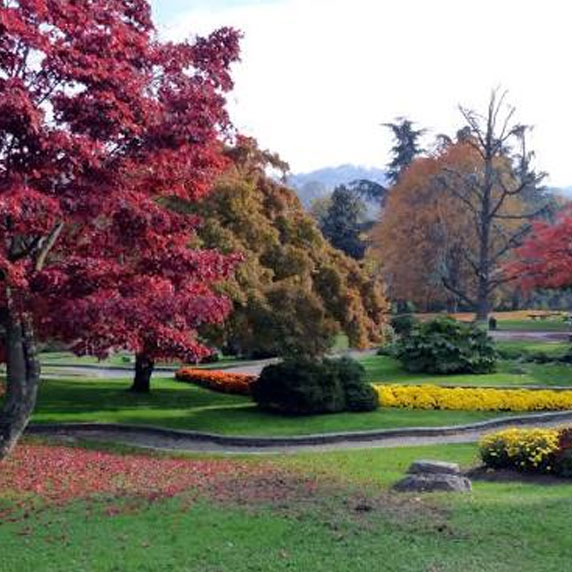
One of the most beloved and frequented public urban parks by Turinese locals, strategically located along the scenic banks of the Po River. The major focal points and Instagram spots here are the imposing Valentino Castle (noble heritage of the Savoy royal family) and the charming Borgo Medievale, a delightfully faithful period village reconstruction.
Carignano Palace (Palazzo Carignano)
Another dazzling gem of Piedmontese baroque, famous for its undulating red brick facade. The palace historically served as the official seat of the very first Parliament of unified Italy. Currently, its premises house the prestigious Museum of the Risorgimento.
Porta Palazzo Market
Proudly holding the title of the largest open-air market in all of Continental Europe. It is the perfect and most pulsing tourist spot to sample traditional cheeses, wines, cold cuts, and coveted aromatic truffles from the rich Piedmont region.
Lingotto and the Automobile Museum
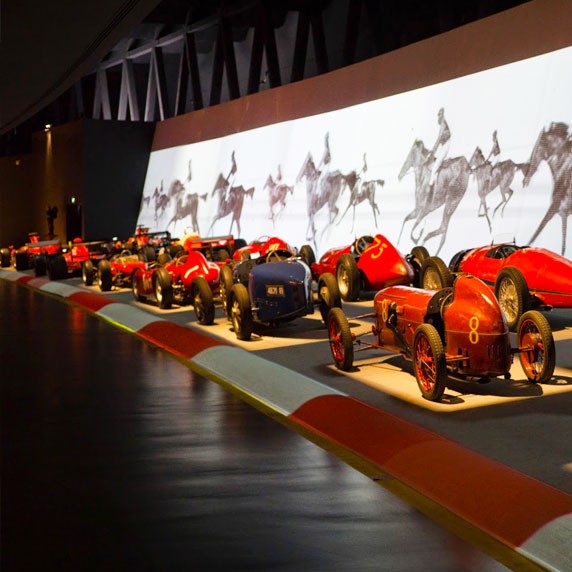
The famous and gigantic former main Fiat factory was completely modernized and reimagined by architect Renzo Piano. Today, the complex functions as a dynamic shopping center and houses the fantastic National Automobile Museum. The most spectacular detail is that visitors can go up to the legendary oval car test track located on the building's rooftop.
Architecture and Unforgettable Tours
The city blends baroque elegance with modern touches, such as the Church of San Lorenzo and the futuristic Lingotto, a former Fiat factory transformed into a cultural center. A stroll along the Po River or through Valentino Park – which houses a charming medieval castle – is ideal for relaxation.
Extra Unique Experiences
- Visit the Santuario della Consolata, a spiritual refuge with absolutely stunning interior architecture.
- Explore the Mercato di Porta Palazzo, Europe's largest open-air market.
- Discover the Basilica of Superga, featuring panoramic city views.
Turin is also the spectacular gateway to the Italian Alps, perfect for those wishing to combine classic urban culture with spectacular mountain nature.
Exclusive Bonus: Historic Cafes and Corners of Magic
Never miss a leisurely visit to the iconic Caffè Al Bicerin (the brilliant historic establishment and official inventor of the eponymous artisanal beverage bicerin, featuring precise layers of strong espresso, hot creamy chocolate, and fresh heavy cream) or the refined Caffè San Carlo, actively frequented by kings, poets, and European intellectuals since the early 19th century.
The city is a true open-air museum, featuring masterpieces like the Mole Antonelliana – symbol of Turin and home to the incredible National Museum of Cinema. Mystery lovers are also enchanted by the city's esoteric aura, which forms part of the white magic triangle (along with Lyon and Prague).
If you seek an authentic, refined Italy full of surprises, Turin is the ideal destination. With its vibrant atmosphere, historic heritage, and unmatched flavors, the city captivates every visitor in a unique way. Come discover Turin – where tradition and modernity meet in perfect harmony!
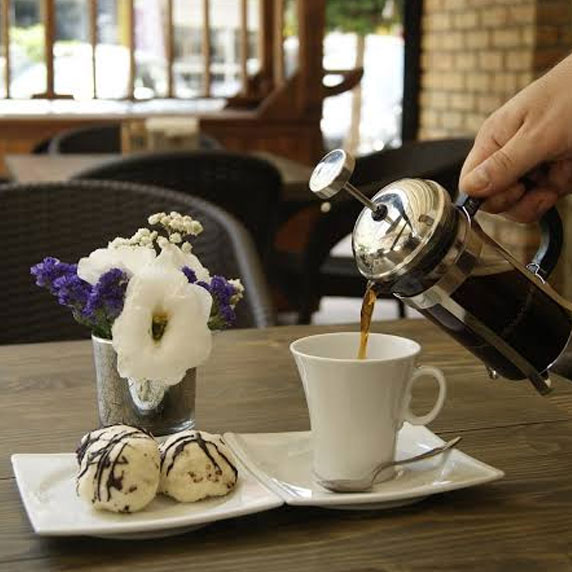
Does Turin Have Beaches? Discover Inland Options
Torino does not have its own coastal beaches due to its continental inland location, but it offers excellent options for those wanting to cool off or sunbathe.
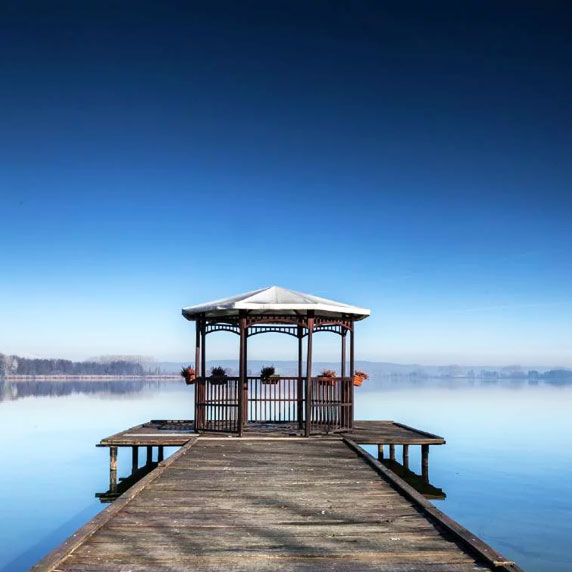
Lago di Candia
Located about 50 km from Torino, this lake offers a quiet swimming area, ideal for families. There are ample picnic spaces, recreational water sports, and beautiful untouched, preserved nature.
Parco del Valentino (Po River Bank)
Although not a traditional sandy beach, Parco del Valentino along the banks of the Po River features grassy recreation areas where people relax and sunbathe in summer. Great for walking, cycling, and boat rides.
Spina 3 – Artificial Beach on the Po River
A recent urban project created a small "urban beach" area along the riverbanks, equipped with clean sand and comfortable lounge chairs. Ideal for those wanting a quick refresh without leaving the city.
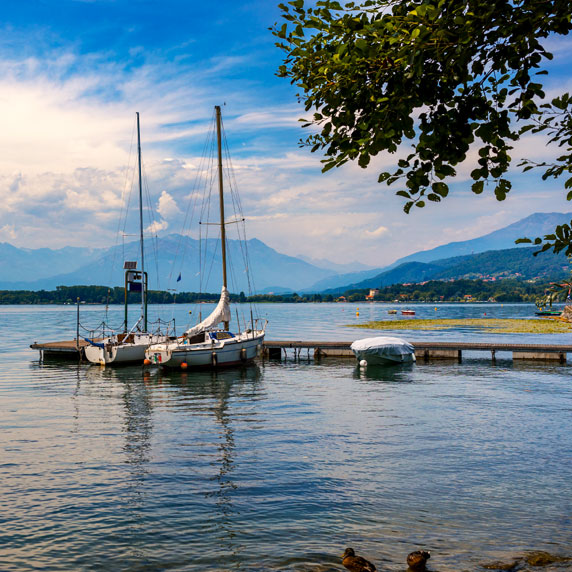
Lago di Viverone
A bit further from the city (about 70 km), this large lake features refreshing crystal-clear waters and beaches with excellent kiosk facilities, perfect for swimming and practicing various water sports.
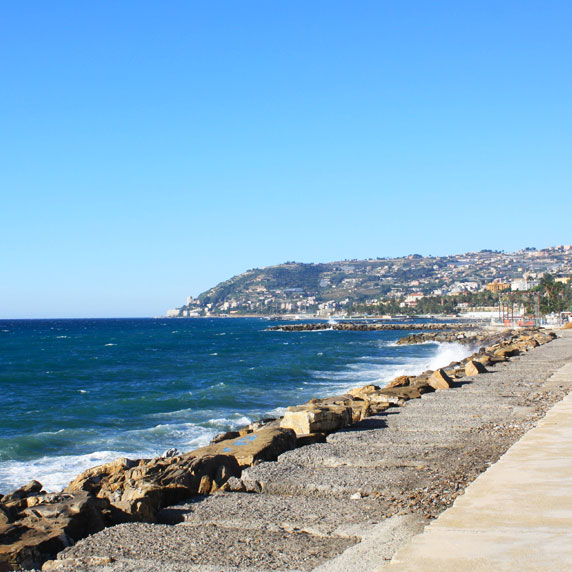
Trip to the Beaches of Liguria
For those who insist on a sea swim, the famous beaches of Genoa, Alassio, or Sanremo are approximately a 2-hour drive from Torino. Destinations like Finale Ligure and Bergeggi offer transparent waters and breathtaking coastal landscapes.
While Torino lacks natural beaches, its surroundings offer great alternatives for those seeking a sunny day and fresh water in the lakes or wishing to explore the Italian coastline. If you are in the city in summer, it's worth taking a day trip to enjoy these options! If you want more detailed recommendations for any of them, just let me know!
Turin's Gastronomy: Traditional Flavors and Piedmontese Sophistication
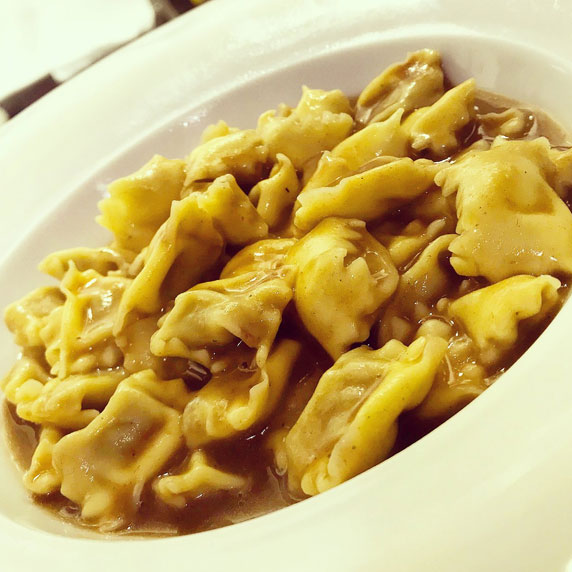
Turin is the cradle of world-famous delights, such as gianduiotto (history's first chocolate bar) and vermouth, an essential ingredient of Martini. Be sure to try typical dishes like agnolotti al plin (stuffed pasta) and bagna càuda (a garlic and anchovy fondue).
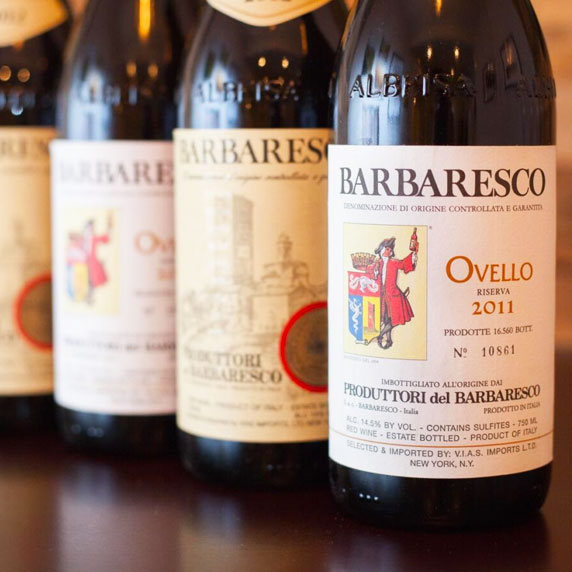
The Piedmont region is also famous for its elite wines, such as Barolo and Barbaresco, perfect for tasting in a traditional enoteca. Turin's gastronomy combines rural and aristocratic influences in a cuisine rich in robust flavors, local ingredients, and centuries-old traditions:
- Agnolotti del Plin: Small and delicate, traditionally stuffed with roast meat, vegetables, and cheese, served with butter and sage or ragù. The name comes from the gesture of "pinching" the pasta.
- Vitello Tonnato: A dish consisting of cold slices of cooked veal, covered with a rich cream of tuna, capers, and mayonnaise. A classic summer antipasto.
- Bagna Càuda: An authentic warm fondue based on garlic, anchovies, and olive oil, served with raw or cooked vegetables for dipping.
- Tajarin al Tartufo: Extremely thin egg pasta, finely combined with melted butter and abundant tartufo bianco (white truffle from Alba).
- Bollito Misto: A super generous stew bringing together different cuts of selected meats, served with traditional sauces like green salsa and fruit mostarda.
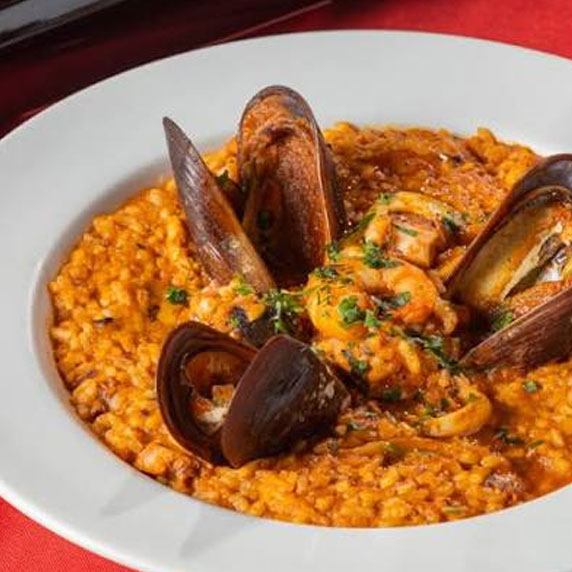
- Risotto alla Piemontese: Made with carnaroli or arborio rice, it features noble Barolo wine and is finished with Castelmagno or Parmigiano-Reggiano cheese, often enriched with truffles or porcini mushrooms. (Turin has its own dishes, and this recipe reflects local excellence).
- Bunet: A classic Piedmontese dessert. A dense chocolate pudding with crushed amaretti cookies, featuring an aromatic touch of rum and caramel syrup.
- Grissini Torinesi: Crunchy breadsticks born in Turin in the 17th century and served at every table as an accompaniment.
Noble Drinks: Vermouth and Barolo
Turin is the birthplace of vermouth, aromatized with herbs, and is also surrounded by the wineries of Barolo and Barbaresco. A Turinese dinner is incomplete without a glass of these noble wines or an aperitif with Martini or Campari Vermouth.
Turin's gastronomy is a celebration of tradition and quality local ingredients, such as truffles, cheeses, and wines. Each dish tells a story, whether the peasant simplicity of bagna càuda or the elegance of vitello tonnato. For lovers of fine dining, Turin is an indispensable destination in Italy.
Charming Tables: Where to Savor the Moment
Turin is an unmissable gastronomic destination in Italy, known for its refined culinary tradition ranging from cozy trattorias to starred restaurants.
Block 1: Authentic and Cozy Corners
Informal spots with excellent cost-benefit ratios, ideal for tasting the soul of Piedmontese family cuisine.
-
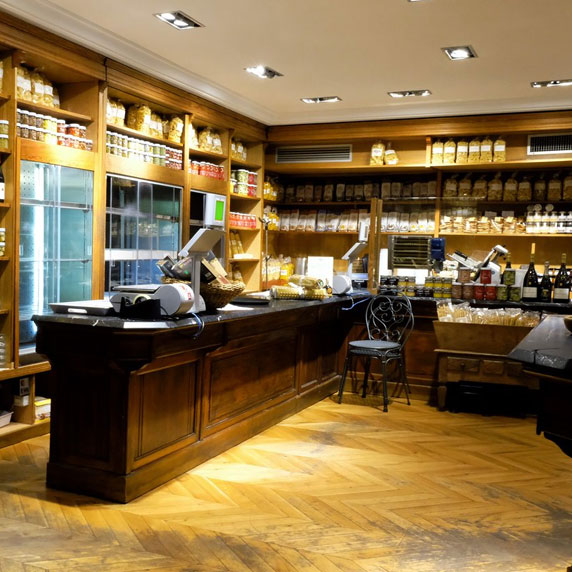
Pastificio Defilippis: Focused on fresh pasta. Highlight for agnolotti al plin and tajarin with truffles.
Average price: €15 to €25 per person. Casual atmosphere with takeaway option. -
Pepino (founded in 1884): Serves Turinese classics like vitello tonnato and bread with garlic sauce, plus the iconic Gianduiotto (chocolate and hazelnut dessert).
Average price: €20 to €35 per person. Super historic and relaxed atmosphere. -
Gofreria Piemontèisa: Fully specialized in gofri (typical regional savory and sweet waffles) with local cheeses or Nutella.
Average price: €5 to €15 per person. Young and informal atmosphere. -
Tre Galli: Modernized regional dishes with great seasonal ingredients. Highlight for Barolo risotto and raw veal meat.
Average price: €25 to €40 per person. Young and relaxed.
Block 2: Unforgettable Experiences (Fine Dining)
Sumptuous halls and artistic tasting menus signed by award-winning chefs, perfect for major celebrations.
-
Del Cambio (since 1757): Top-tier Piedmontese haute cuisine served inside a historic aristocratic palace. Offers menus paired with local wines.
Average price: €100 to €200 per person. Elegant, reservation required. -
Combal.Zero (Chef Davide Scabin): Fully experimental gastronomic proposal with innovative techniques ("Zero" menu). Located at Castello di Rivoli.
Average price: €120 to €180 per person. Modern and minimalist. -
Piazza Duomo (3 Michelin stars): Highly creative cuisine in Alba (near Turin), with total focus on vegetables and ingredients grown in their own garden.
Average price: €200 to €300 for the tasting menu. Sophisticated and exclusive. -
La Rei Natura: Highly refined cuisine with a strong emphasis on fully organic and sustainable products, perfectly aged meats, and rare cheeses.
Average price: €80 to €150 per person. Rustic-chic atmosphere with exclusive cellar.
Charming Refuges: Where to Sleep and Dream in Turin
Choosing the right neighborhood in Turin transforms the architectural travel experience, allowing walks under illuminated porticos at nightfall.
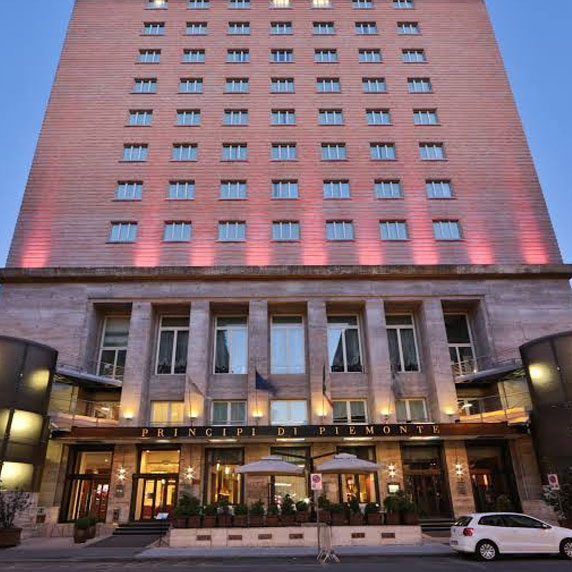
Area 1: Historic Center (Piazza Castello and Via Roma)
Advantage: Being a few steps from royal palaces, the Egyptian Museum, and the city's most traditional cafes.
-
Grand Hotel Principe di Piemonte / Central Luxury Hotels: Elegant establishments preserving period furniture and crystal chandeliers, with service worthy of royalty.
• Decision Factor: Ideal for honeymoon couples and travelers who insist on sophisticated pampering and a perfect location. - Charming Residences and Guesthouses: Hidden in palatial buildings with charming inner courtyards. To explore complete boutique accommodations, check out exclusive offers at Turin Hotels on Booking.com.
Area 2: San Salvario Neighborhood and Surroundings of Valentino Park
Advantage: A much airier, youthful, and vibrant atmosphere, perfect for morning walks along the Po River.
-
Contemporary Design Style Hotels: Excellent modern options integrated into reclaimed industrial architecture or family-run hotels with beautiful view terraces. To secure the best rates and read real traveler reviews, check the selection at Turin Hotels on Booking.com.
• Decision Factor: Excellent option for those wishing to combine lively nights in trendy bistros with urban nature walks.
Paths of the Heart: How to Get to Turin
Turin is one of northern Italy's main cities and is incredibly well connected by different national and international transport networks:
-
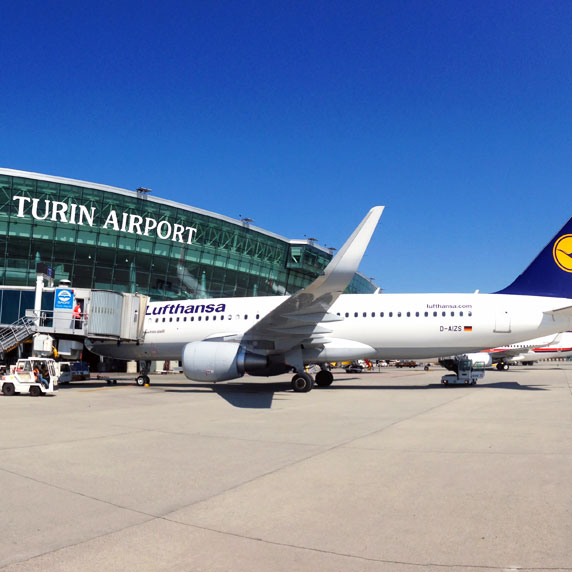
Airplane (Turin-Caselle Airport TRN): Receives direct European flights (ITA, Ryanair, EasyJet). Departing from Brazil, flights require a stopover (Rome, Lisbon, Madrid), with an average price of €600 to €1,200 and a duration of over 12 hours.
• Airport to Center Transfer: SADEM bus line 268 (30 min, €6.50); GTT train to Dora station (19 min, €3.00) or Taxi/Uber (€30.00 to €40.00). - Train (High Speed and Regional): The fastest and most comfortable way. Connects the city through Porta Nuova and Porta Susa stations. Milan-Turin route takes only 1h to 1h20 (€15 to €30 via Frecciarossa/Italo); Rome-Turin takes 4h30 (€50 to €90) and Genoa-Turin takes 2h (€10 to €15 via Regionale).
- Long-Distance Bus (FlixBus / MarinoBus): Perfect for backpackers and budget travelers. Connects Milan in 2h30 (€5 to €15), Rome in 8h (€25 to €50), and even Nice in France in 4h30 (€20 to €35).
- Rental Car / Road: Excellent road quality. Milan-Turin route via A4/A5 highways takes 1h30 (approximate toll of €10 to €15). Genoa-Turin via A21 highway takes 2 hours (€8 to €12 toll). Car rental costs €30 to €70 per day.
Transport Comparison Table
| Means of Transport | Origin | Duration | Price (approx.) |
|---|---|---|---|
| Airplane (Brazil) | São Paulo → Turin | 12h+ | €600-€1,200 |
| Train (High Speed) | Milan → Turin | 1h-1h20 | €15-€30 |
| Bus (FlixBus) | Milan → Turin | 2h-2h30 | €5-€15 |
| Car (Rental) | Milan → Turin | 1h30 | €30-€70/day |
How to decide which transport to use: The fastest is the high-speed train; the most economical is the bus; and for intercontinental flights, the airplane with structured connections.
Getting Around Turin: Practical Mobility Guide
Turin's center is incredibly flat and compact, laid out in a grid pattern, making walking a true delight.
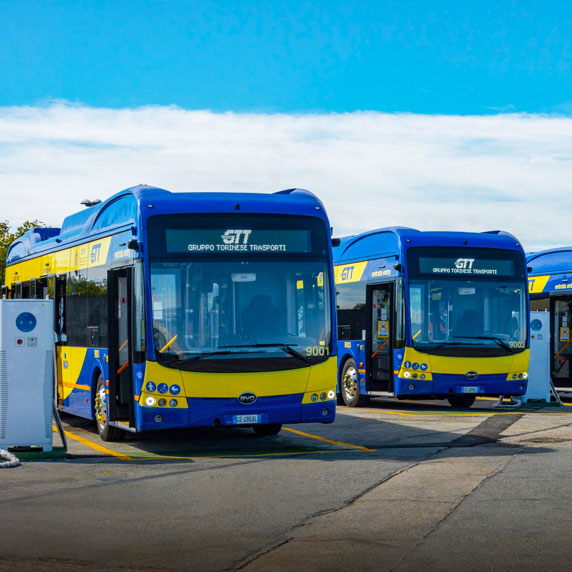
GTT Network (Metro, Buses, and Trams)
The integrated Gruppo Torinese Trasporti system serves the entire city perfectly. Turin's Metro features line M1 (Fermi to Bengasi), passing through major stations Porta Susa and Porta Nuova, operating from 05:30 AM to midnight (Saturdays until 01:00 AM).
| Ticket Type (GTT) | Price (€) | Validity |
|---|---|---|
| Single Ticket (urban) | 1.70 | 100 minutes |
| Daily Ticket (giornaliero) | 4.00 | 24 hours |
| 2-Day Ticket | 7.50 | 48 hours |
| 3-Day Ticket | 10.00 | 72 hours |
| Monthly Pass | 38.00 | 1 month |
*Note: Digital tickets can be purchased at tobacconists (T), stations, or via the official GTT TO Move app.*
Shared Bicycles (TOBike) and Private Services
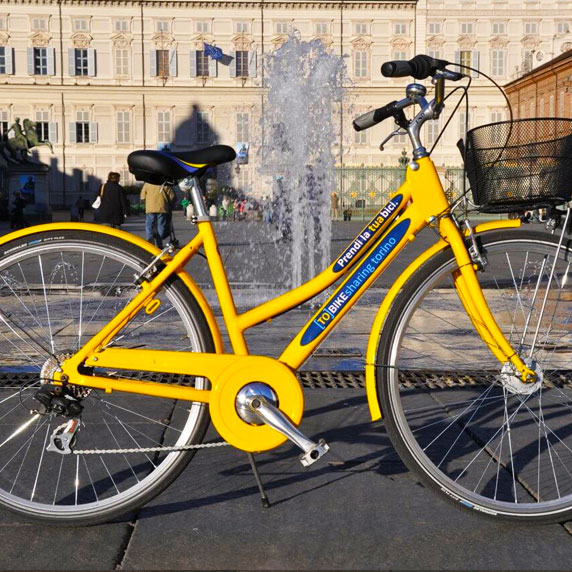
The city features an excellent bike lane network. The TOBike system offers daily passes for €5.00 (first 30 minutes free, additional fractions for €0.50).
Taxis and Apps
FreeNow service and Radiotaxi (+39 011 5737). Initial flag drop from €4.00 to €6.50 + per kilometer rate from €1.20 to €1.50.
Limited Traffic Zones (ZTL)
If you rent a car (€30 to €70/day), watch out for fines for entering the center without hotel authorization. Blue zone parking costs €1.00 to €2.00 per hour.
Friendly Budget Tip: If you plan to stay in the city for more than 3 full days, buy the GTT accumulated daily transport pass without hesitation to save significantly!
Poetic 1-Day Itinerary: The Heart of the Kings
An itinerary meticulously designed for those with only 24 hours to capture the architectural grandeur and unmissable secrets of the Piedmontese capital:
Morning: Royal and Egyptian Immersion (09:00 - 12:30)
Start your day early: cross the immense Piazza Castello and visit the sumptuous rooms of the Royal Palace. Soon after, head to the incredible Egyptian Museum to view rare sphinxes and mummies in an unforgettable world-class exhibition.
Lunch with Historic Flavor and the Bicerin Ritual (12:30 - 14:30)
Take a strategic break for lunch with a traditional Agnolotti del Plin at Pastificio Defilippis (€15 to €25). Afterward, walk to the charming Piazza della Consolata and order the iconic layered artisanal coffee at Caffè Al Bicerin.
Afternoon: Cinematic Heights and Riverside Walk (14:30 - 18:30)
Walk towards the imposing Mole Antonelliana to visit the National Museum of Cinema and take the panoramic elevator to the top. End the day relaxing in the flower-filled gardens of Valentino Park, watching the golden sunset reflect on the waters of the Po River.
Aristocratic Candlelit Dinner
Close your magical evening with an unforgettable dinner of contemporary Piedmontese cuisine at the refined Tre Galli or Del Cambio restaurant, toasting with a full-bodied glass of Barolo wine.
2-Day Itinerary: Royal Secrets and the Soul of the Automobile
Add much more depth to your trip by dedicating the second day to uncovering the futuristic industrial past and the region's most stunning views:
Day 1: The Splendor of the Center and Its Palaces
Follow the exact suggestions of the 1-Day Itinerary to get settled and fall in love with the central squares and museums.
Day 2: From the Rooftop Track to the Top of the Basilica
Morning: The Future of the Automobile at Lingotto (09:30 - 13:00)
Take metro line M1 and get off at the Lingotto complex. Explore the excellent historical collection of the National Automobile Museum. Afterwards, go up to the roof to see Fiat's famous original oval test track.
Lunch and Shopping at Europe's Largest Market (13:00 - 15:00)
Return to the center and head straight to sample cold cuts, truffles, and delicious Vitello Tonnato at the lively Porta Palazzo Market or at one of the surrounding trattorias.
Panoramic Afternoon at the Basilica of Superga (15:30 - 18:30)
Take the charming historic Sassi-Superga rack railway line and climb the hill to the beautiful Basilica of Superga. Contemplate the most spectacular panoramic view of the Alps embracing Turin.
Farewell Dinner and Vermouth Toast
End your itinerary with a wonderful Piedmontese cheese board and traditional bagna càuda washed down with Martini Vermouth in a cozy enoteca in the bohemian San Salvario neighborhood.
Nearby Tours: Turin as the Gateway to the North
With its strategic location in northwestern Italy, the city serves as a perfect base to explore some of the country's most charming regions, combining convenience, culture, and stunning landscapes.
1. The Alps and Ski Resorts
Turin is just a few kilometers from immense alpine mountains, making it the ideal starting point for famous snow destinations in the European winter.
- What to see: Courmayeur (Aosta Valley) for ski and Mont Blanc lovers; the Olympic resorts of Sestrière and Bardonecchia; and the Aosta Valley with its beautiful medieval castles and the monumental Fort of Bard.
2. Proximity to Liguria and the Sea
In less than two hours of high-speed train or car travel, it is possible to easily reach the beautiful and sunny Italian Riviera.
- What to see: The port city of Genoa with its center of ancient alleys and famous Aquarium; the fairytale villages of Cinque Terre; and the sophisticated resort towns of Portofino and Santa Margherita Ligure.
3. Routes Through Piedmont: Wine and Gastronomy
Turin sits right in the geographic heart of one of Italy's richest and most awarded wine and agricultural delicacy producing regions.
- What to see: Charming Alba and the Langhe region (land of the legendary Barolo wine and white truffles); the medieval city of Asti (famous for Moscato d’Asti sparkling wines); and the romantic scenery of Lake Maggiore and cinematic Lake Orta.
4. Major Centers and Cultural Triangles
The excellent high-speed rail infrastructure network allows for super-fast and comfortable day trips.
- What to see: Fashion capital Milan (only 1h by train to see the Pinacoteca di Brera and 'The Last Supper'); and magical Venice (4h by train). Milan, Turin, and Genoa form northern Italy's celebrated 'industrial and artistic triangle'.