
Milan
Elegance, Culture and History in the Heart of Lombardy
Milan, the capital of fashion and design, is much more than a paradise for lovers of style and trends.
Located in the heart of Lombardy, in northern Italy, this vibrant city combines tradition and modernity in a unique way, making it a must-see destination for any traveler. Whether through the effervescence of its global storefronts or the historical weight of its monuments, Milan pulses with contemporaneity without forgetting its deep roots.
To plan your visit, check monument schedules and cultural events, consult the official tourism portal of Comune di Milano.
Fashion, Design and the Grandeur of History
Fashion and Design
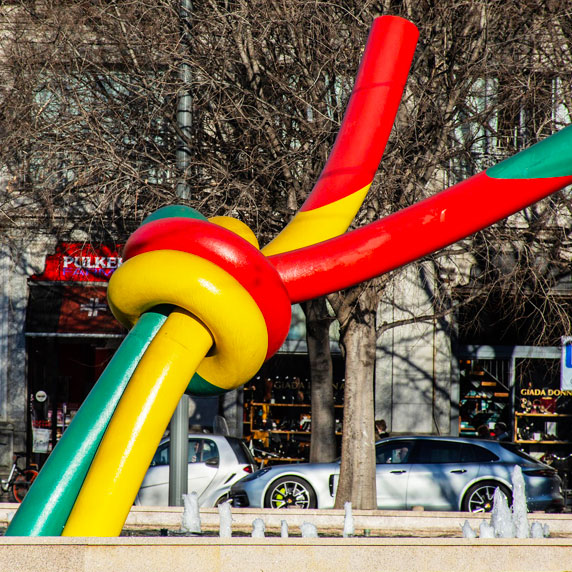
Milan is recognized worldwide as one of the fashion capitals, housing some of the world's most iconic brands, such as Armani, Prada and Versace. The famous Via Montenapoleone is the epicenter of luxury, where dazzling window displays and exclusive boutiques invite an unforgettable stroll. Additionally, the city hosts global events like Milan Fashion Week, attracting celebrities, designers and enthusiasts from all over the world.
Architecture and History
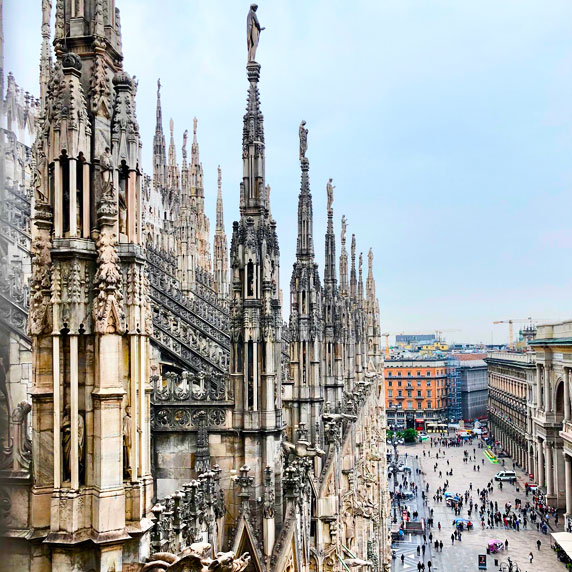
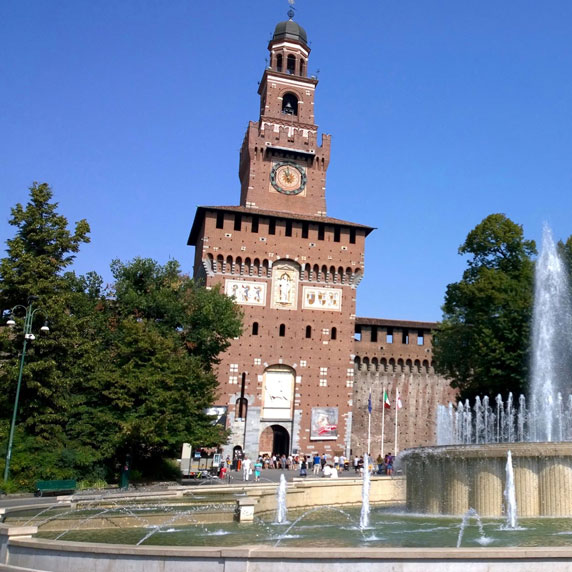
The city is also an architectural treasure. The Duomo di Milano, one of the most impressive Gothic cathedrals in the world, dominates the landscape with its grandeur. Climbing to the Duomo rooftop offers a stunning panoramic view of the city. Another historic landmark is the Castello Sforzesco, an imposing castle that houses museums and art collections, including works by Michelangelo and Leonardo da Vinci.
Cultural and Gastronomic Effervescence
Culture and Art
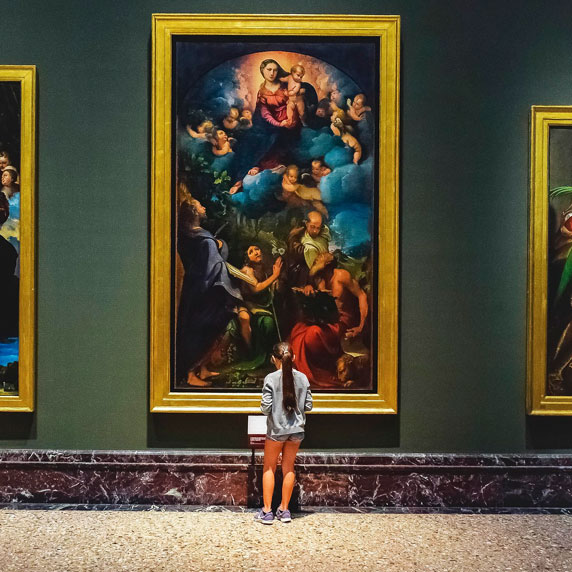
For art lovers, Milan does not disappoint. Santa Maria delle Grazie houses one of the most famous works in history: The Last Supper, by Leonardo da Vinci. Furthermore, the Brera Pinacoteca and the Museo del Novecento offer impressive collections ranging from Renaissance masters to modern art.
Gastronomy
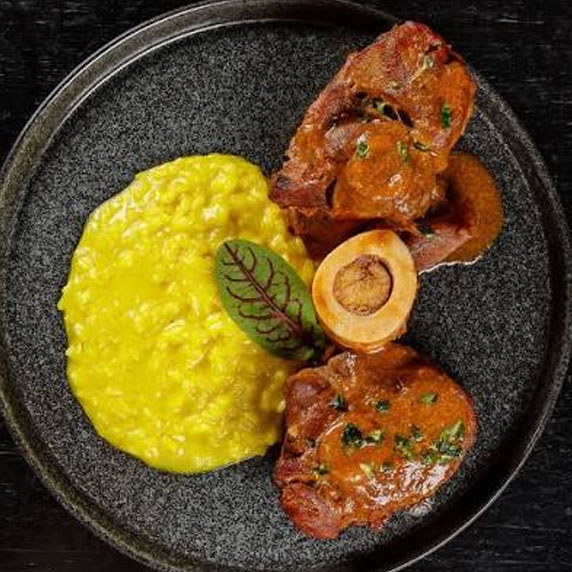
Milanese cuisine is a unique experience. Delight in traditional dishes like risotto alla milanese, prepared with saffron, or succulent ossobuco. And do not forget to try the famous panettone, a traditional sweet that wins over palates worldwide.
Nightlife and Entertainment
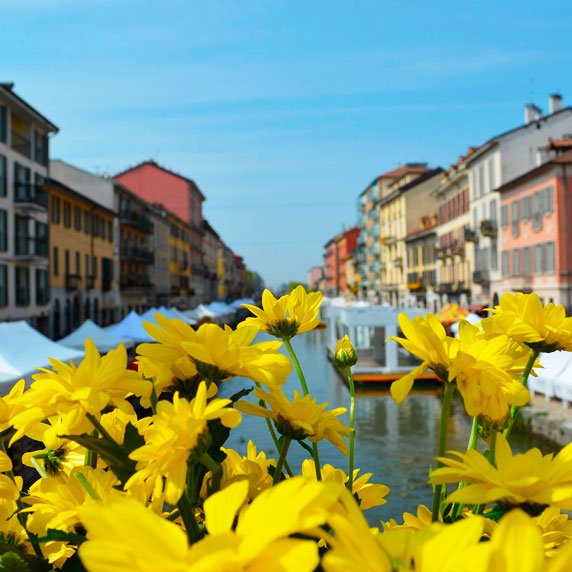
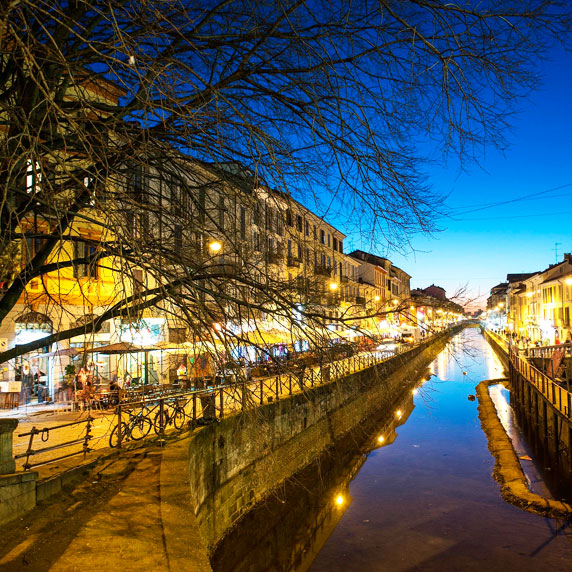
Milan is a city that never sleeps. Elegant bars, sophisticated restaurants and exclusive clubs guarantee memorable nights. The Navigli district, with its charming canals, is one of the liveliest spots to enjoy the nightlife.
Italian Style of Connecting and Experiencing
Shopping and Markets
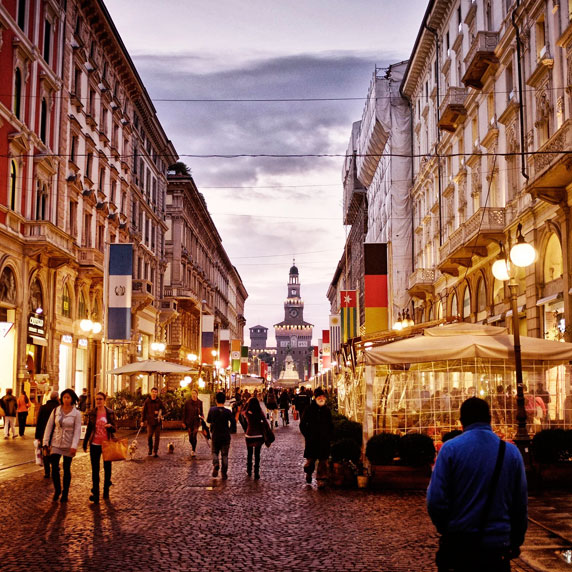
Beyond luxury shops, Milan offers charming markets, such as Mercato di Via Fauche, where you can find everything from antiques to local products. For an authentic experience, explore the street fairs and discover unique pieces and Italian craftsmanship.
Connectivity and Accessibility
With an excellent transport infrastructure, Milan is easily accessible by plane, train or car. The city also serves as an ideal starting point to explore other regions of Italy, such as Lake Como and Lake Garda, or even the Alps.
Milan is a destination that captivates with its diversity. Whether for its rich history, cultural effervescence, delicious gastronomy or fashion charm, the city offers a complete experience for all types of travelers. Come discover why Milan is much more than a simple stop – it is a true celebration of Italian style and contemporary life.
The Foundation of Milan: Origins and Development
Milan, known today as the capital of fashion, design and one of Europe's main financial centers, has a history dating back to ancient times. The city's foundation is shrouded in mixed legends and historical facts, reflecting the region's rich cultural heritage.
Legendary Origins
According to tradition, Milan was founded around 600 BC by Celts, more specifically by the Insubres tribe. Legend tells that the city was established by a leader named Bellovesus, nephew of the Celtic king, who followed a prophecy to found a new city where he found a wild long-haired sow (in Latin, medio-lanum). This animal was reportedly sighted in the Lombardy region where Milan is located, and thus the city was named Mediolanum, which means "in the middle of the plain".
The Roman Conquest
In the 3rd century BC, the Romans began expanding their territory into northern peninsular Italy. In 222 BC, after a series of conflicts, the Romans conquered Mediolanum, incorporating it into the Roman Republic. Under Roman rule, the city grew in strategic and economic importance, becoming a crucial commercial and military hub due to its privileged location in northern Italy, close to the Alps and trade routes connecting the peninsula to the rest of Europe.
During the Roman Empire, Mediolanum was elevated to the status of a municipality and later became one of the capitals of the Western Roman Empire in the 4th century AD, under Emperor Diocletian. During this period, the city was embellished with monuments, basilicas and walls, cementing itself as one of the empire's main political and cultural centers.
The Middle Ages and the Renaissance
With the fall of the Roman Empire in the 5th century, Milan went through a period of instability, invaded by Germanic peoples such as the Ostrogoths and Lombards. However, the city regained importance during the Middle Ages, especially from the 11th century onwards, when it became a main center of the Lombard League, an alliance of city-states resisting control by the Holy Roman Empire.
In the late Middle Ages and during the Renaissance, Milan was ruled by powerful families like the Visconti and the Sforza, who transformed the city into a center of art, culture and innovation. It was during this period that major architectural works, such as the Castello Sforzesco and the Milan Cathedral (Duomo), were built, sealing the city's artistic legacy.
Modern Milan
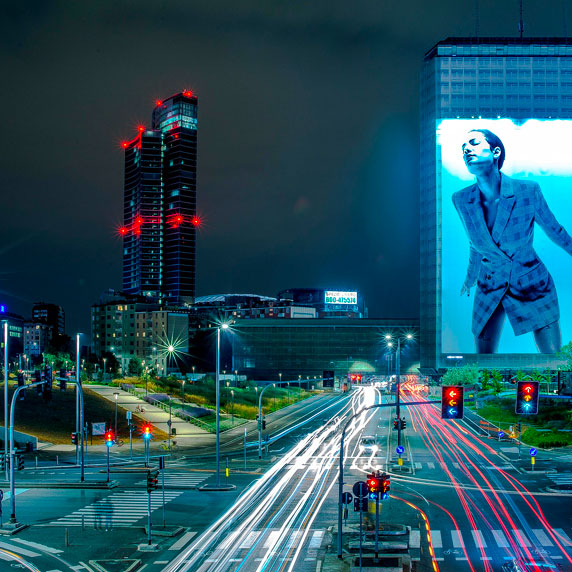
Over the centuries, Milan continued to develop as an economic and cultural center. In the 19th century, the city played a crucial role in the Italian unification process, known as the Risorgimento. In the 20th century, Milan became Italy's industrial heart and a global fashion and design hub, maintaining its relevance to the present day.
The foundation of Milan is deeply tied to its Celtic origins and its transformation under Roman rule, followed by centuries of cultural, political and economic development. Today, the city is a symbol of tradition and modernity, reflecting its rich and diverse history.
Best Time of Year to Visit Milan
Milan, known as the capital of fashion and design, is a city that uniquely combines history, culture and modernity. To make the most of your visit, it is important to choose the time of year that best suits your preferences and interests.
Spring (from March to May) and autumn (from September to November) are considered the best periods to visit Milan. During these seasons, the weather is mild, with pleasant temperatures ranging between 15°C and 25°C, ideal for exploring the city on foot. Spring brings blossoming flowers and a renewed air, while autumn gifts visitors with warm colors and a romantic atmosphere.
Furthermore, these times are less crowded than summer, allowing you to enjoy major sights such as the Duomo di Milano, Galleria Vittorio Emanuele II and Castello Sforzesco with more peace and quiet. Spring is also marked by events like Fashion Week, attracting enthusiasts worldwide, while autumn offers gastronomic and cultural festivals celebrating Italy's rich heritage.
Summer (from June to August) can be quite hot, with temperatures frequently exceeding 30°C, and the city tends to get busier with tourists. However, it is a great time to enjoy nightlife and outdoor cafes. Winter (from December to February) is cold, with temperatures that can drop below 0°C, but it is the perfect time for shopping lovers, thanks to winter sales, and for experiencing the charm of holiday festivities with Christmas decorations and charming markets.
If you seek a balance between pleasant weather, fewer crowds and an authentic experience, spring and autumn are the best times to visit Milan. Every season, however, has its own charm, making the city a fascinating year-round destination.
A Truly Unmissable Destination
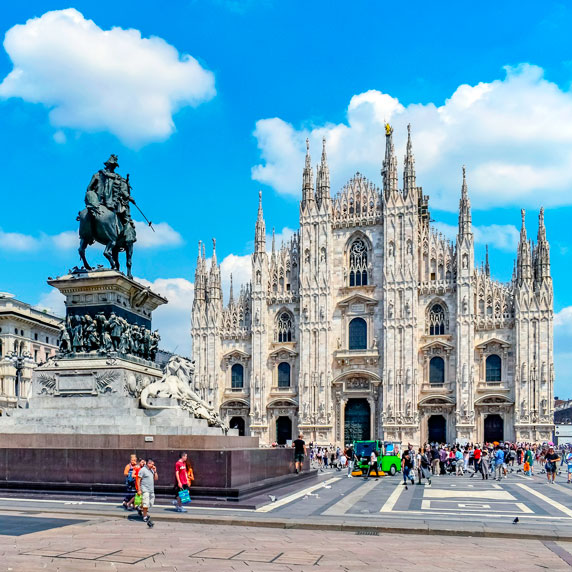
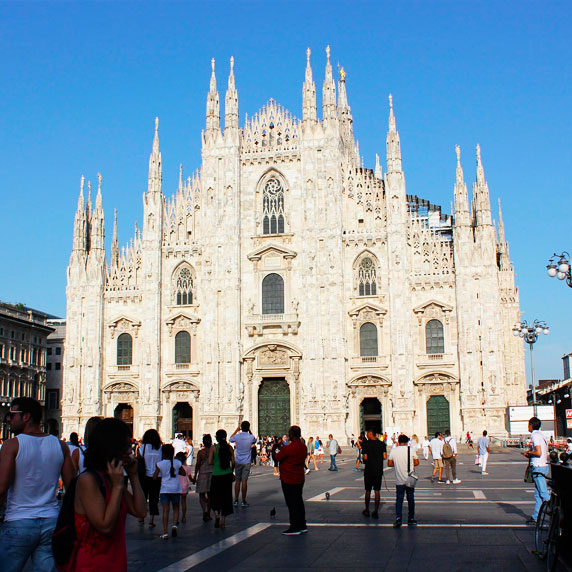
The Duomo di Milano, this majestic monument is not only the city's postcard symbol, but also one of the most impressive Gothic cathedrals in the world.
The Duomo, with its intricately carved facade and countless towers and pinnacles, is an architectural masterpiece that took centuries to complete. Construction began in 1386 and was only fully finished in the 20th century. Every detail, from the statues adorning its structure to the colored stained-glass windows filtering sunlight, tells a story of devotion and art.
Climbing to the Duomo rooftop is a unique experience. From there, you can admire panoramic views of Milan, with its historic rooftops and, on clearer days, the Alps in the distance. The feeling of standing atop this architectural wonder, surrounded by sculptures that seem to watch over the city, is simply indescribable.
Inside the cathedral, the grandeur continues. Massive pillars, frescoes and the immense organ create a solemn and inspiring atmosphere. The highlight is visiting the Madonnina, the iconic golden statue of the Virgin Mary crowning the highest point of the Duomo, a symbol of protection and pride for Milanese people.
Beyond its architectural beauty, the Duomo di Milano is located in the heart of the city, surrounded by other fascinating attractions such as Galleria Vittorio Emanuele II, one of the world's most luxurious shopping malls, and the Teatro alla Scala, temple of world opera.
Visiting Milan without seeing the Duomo is like going to Paris and missing the Eiffel Tower. It is a destination encapsulating the city's essence: its history, its art and its soul. A place that undoubtedly deserves a top spot on any traveler's list.
Top Tourist Attractions in Milan
Milan, one of Italy's most vibrant and cosmopolitan cities, is a destination blending history, culture, fashion and gastronomy in a unique way. Known as the capital of fashion and design, the city also houses some of Europe's most iconic tourist spots. Here are the main locations you cannot miss when visiting Milan:
Duomo di Milano (Milan Cathedral)
The Duomo is Milan's ultimate symbol and one of the world's most impressive Gothic cathedrals. Its intricate facade, full of statues and details, and interior colored stained glass are stunning. Climbing to the cathedral rooftop offers a panoramic city view and a close-up look at famous spires and sculptures.
Galleria Vittorio Emanuele II
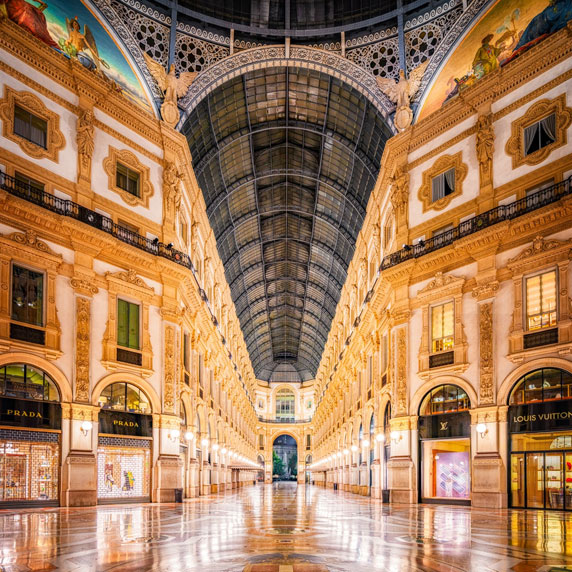
Located right next to the Duomo, Galleria Vittorio Emanuele II is one of the world's oldest and most luxurious shopping centers. With its glass roof and iron structure, the gallery houses renowned designer stores, traditional restaurants and historic cafes. It is a perfect spot for a stroll and to feel the charm of elegant Milan.
Teatro alla Scala
One of the world's most famous opera houses, Teatro alla Scala is a paradise for classical music lovers. Inaugurated in 1778, the venue has hosted opera greats and remains an internationally prestigious stage. The theater museum is also unmissable, featuring exhibits of costumes, instruments and stories of artists who performed there.
Castello Sforzesco
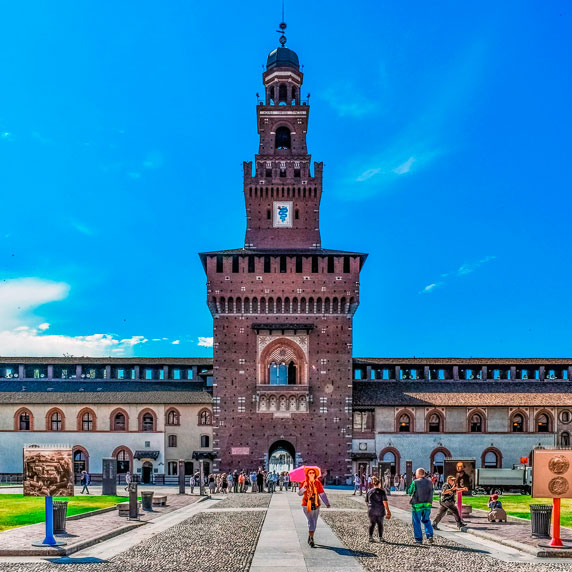
This imposing 15th-century medieval castle was the residence of the Sforza family, one of Italy's most powerful. Today, it houses various museums, including the Museum of Ancient Art, Museum of Musical Instruments and the Pinacoteca. In the inner courtyard, the gardens invite a moment of tranquility.
Santa Maria delle Grazie and "The Last Supper"
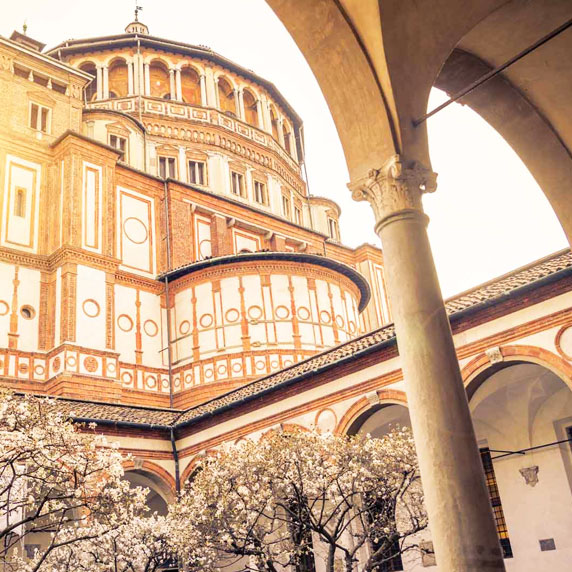
The church of Santa Maria delle Grazie is famous for housing one of history's most important artworks: The Last Supper, by Leonardo da Vinci. The painting, portraying the biblical moment of Jesus' final meal with his disciples, is a milestone of Renaissance art. Tickets must be booked in advance to admire this masterpiece.
Parco Sempione
Located behind Castello Sforzesco, Parco Sempione is a large green space in the city center, ideal for walks, picnics or simply relaxing. In the park center, you will find Torre Branca (Branca Tower), offering stunning views of Milan.
Brera
The Brera district is one of Milan's most charming, with cobblestone streets, art shops, galleries and cozy cafes. The Pinacoteca di Brera, one of Italy's most important museums, houses an impressive collection of works by artists like Caravaggio, Raphael and Titian.
Navigli
The Navigli canal zone is one of the city's liveliest spots, especially at night. With its bars, restaurants and shops, the location is perfect for a waterside stroll or enjoying Milanese nightlife. The canals were designed by Leonardo da Vinci and testify to Renaissance engineering.
San Siro (Giuseppe Meazza Stadium)
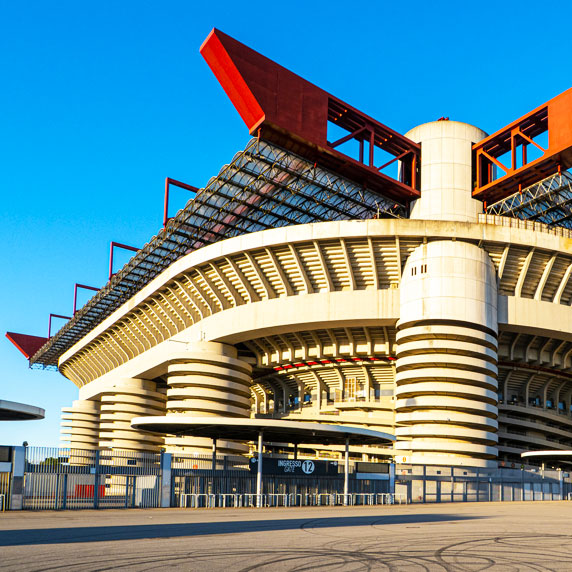
For football fans, visiting San Siro stadium, home to AC Milan and Inter Milan, is a must. The stadium offers tours allowing visitors to see the locker rooms, pitch and museum dedicated to both clubs' history.
Fashion Quadrangle (Quadrilatero della Moda)
Milan is synonymous with fashion, and the Fashion Quadrangle, formed by Via Montenapoleone, Via della Spiga, Via Sant'Andrea and Via Manzoni, is the luxury epicenter. Here you will find stores from the world's most prestigious brands, alongside window displays that are true works of art.
Milan is a city captivating by its diversity, uniting old and modern in perfect harmony. Whether exploring its rich history, appreciating art, shopping or simply savoring delicious Italian gastronomy, Milan has something for every taste.
Main Dishes of Milanese Gastronomy
Milan's gastronomy reflects the history and culture of the Lombardy capital, where robust flavors and quality ingredients stand out:
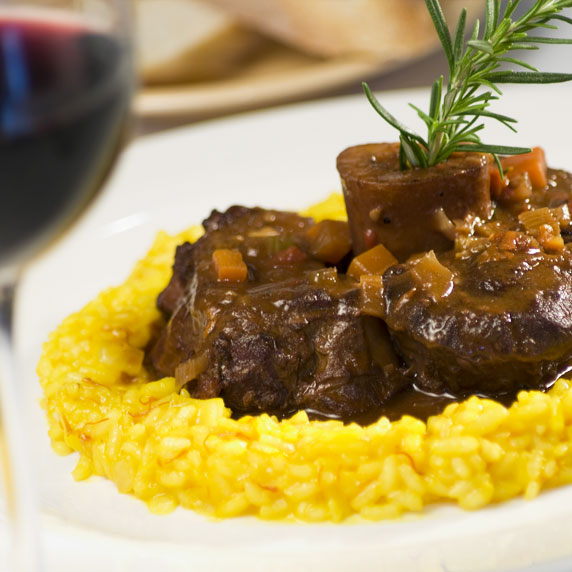
- Risotto alla Milanese: Holds a prominent place. With its characteristic golden color, it is prepared with saffron, meat broth, onion, butter and Parmigiano-Reggiano cheese (€15.00 to €22.00).
- Cotoletta alla Milanese: Breaded and fried boneless veal cutlet, distinguished by its golden and juicy crust. Traditionally served with lemon (€22.00 to €32.00).
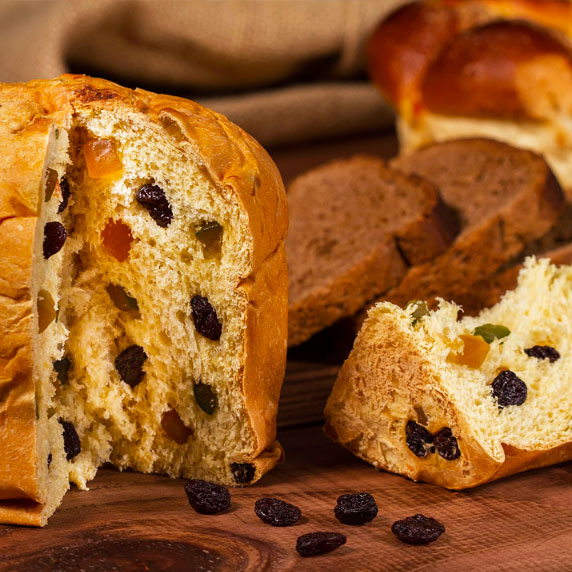
- Panettone: The famous light and fluffy cake filled with candied fruit and raisins, which has become a worldwide Christmas symbol.
- Cassoeula: Traditional stew made with cabbage and succulent pork parts (ribs, sausages and skin), very common in cold months (€18.00 to €26.00).
- Ossobuco: Veal shanks slowly braised in white wine sauce, tomatoes and herbs, pairing perfectly with risotto (€24.00 to €35.00).
Each dish tells a story and invites you to discover the authentic flavors of this very special Italian region.
Restaurants for Every Budget
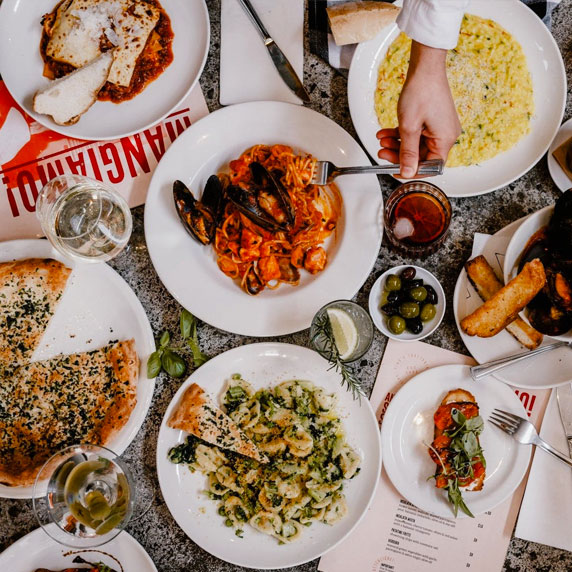
Milan is also a gastronomic paradise offering an incredible variety of restaurants, from affordable options to top-level gourmet experiences.
Block 1: Traditional and Affordable Corners
- Luini: Located near Piazza del Duomo, Luini is famous for its "panzerotti", a type of fried pastry filled with cheese, tomato and other ingredients (€3.50 to €6.00).
- Trattoria da Pino: Offers classic Milanese cuisine dishes at very reasonable prices. The atmosphere is simple and welcoming, ideal for risotto and cotoletta.
- Pavé: A benchmark cafe and bakery. Offers fresh bread, sandwiches and high-quality pastries at affordable prices. Great for a light lunch.
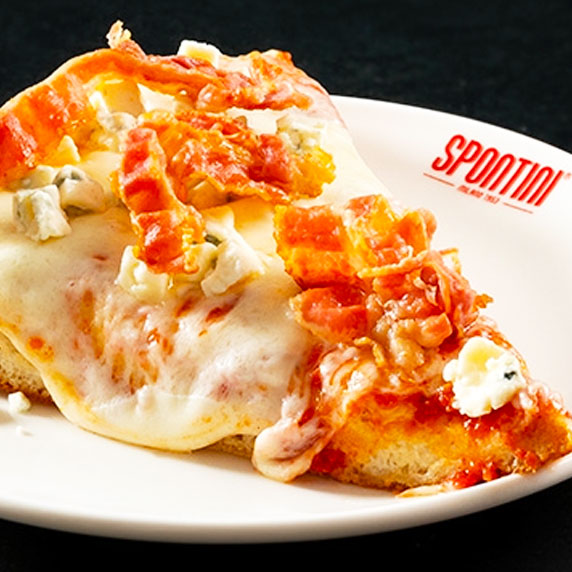
- Spontini: Specialized in thick-crust slice pizza, well-baked and topped with plenty of cheese and tomato sauce. An inexpensive institution in the city.
Block 2: Refined Experiences and Haute Cuisine
- Il Luogo di Aimo e Nadia: Exceptional haute cuisine. With two Michelin stars, the menu is a modern celebration with impeccable ingredients.
- Seta: At the Mandarin Oriental Hotel, led by chef Antonio Guida, combining tradition and innovation with two Michelin stars in a sophisticated atmosphere.
- Cracco: By famous chef Carlo Cracco. With two Michelin stars, it reinvents Italian cuisine with exclusive contemporary techniques.
- Contraste: Holds one Michelin star and an innovative creative approach by chef Matias Perdomo, surprising in flavor and presentation.
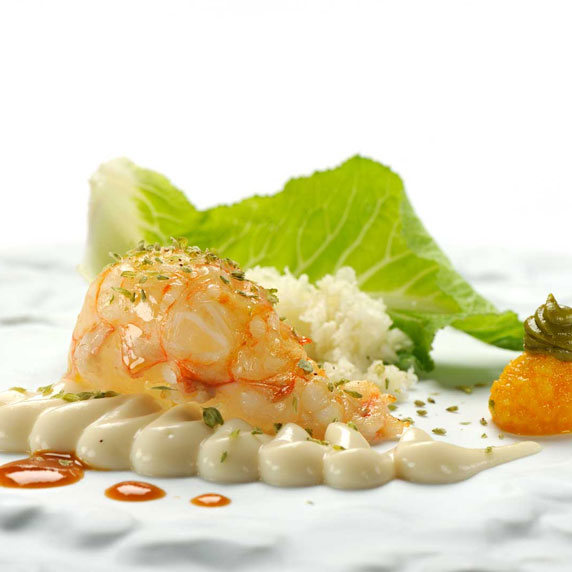
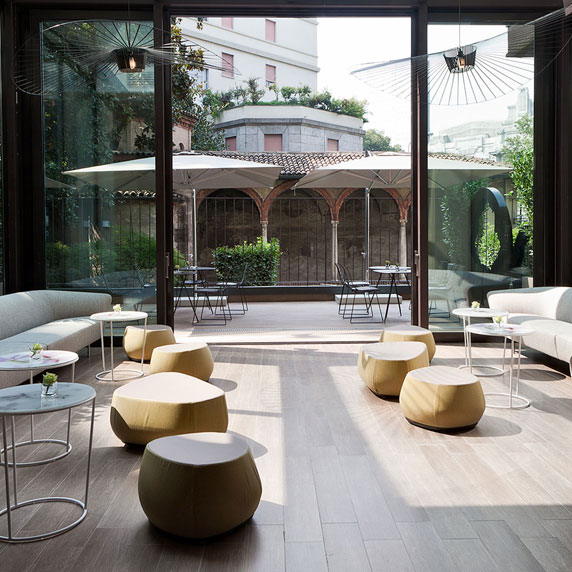
From Luini's panzerotti to the sophisticated dishes of Il Luogo di Aimo e Nadia, Milan offers fantastic culinary options for all tastes and budgets, fully satisfying any lover of good food.
Charming Refuges: Where to Sleep and Dream in Milan
Choosing the right accommodation transforms your experience in the Lombardy capital, whether staying in the historic center or charming neighborhoods.
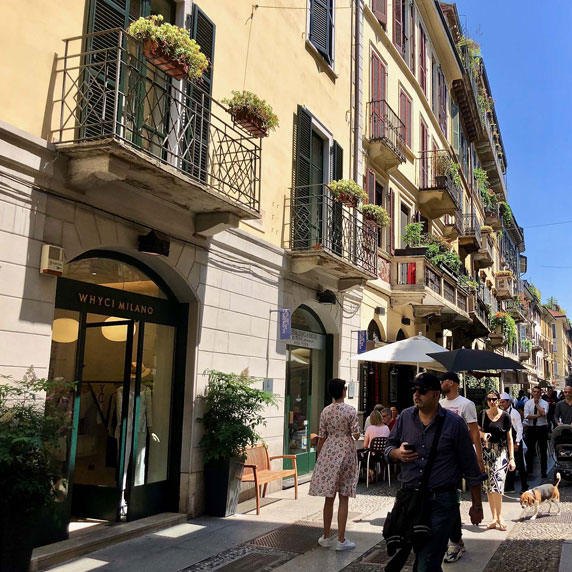
Area 1: The Historic Core (Center & Duomo)
Advantage: Walking distance to everything, being just meters from the Galleria, Teatro alla Scala and main subway connections.
To find luxurious boutique hotels or well-rated options in the heart of the city, explore the complete list of Hotels in Milan on Booking.com.
Area 2: Charming Neighborhoods (Brera & Navigli)
Advantage: Ideal for those seeking an artistic atmosphere (Brera) or nightlife along the historic canals (Navigli).
If you want a cooler and more authentic experience away from massive tourist flows, check guesthouses in Hotels in Milan on Booking.com.
Getting Around Milan
Getting around Milan is relatively easy, thanks to the efficient public transport system and various options available. Here are the main ways to get around and approximate prices:
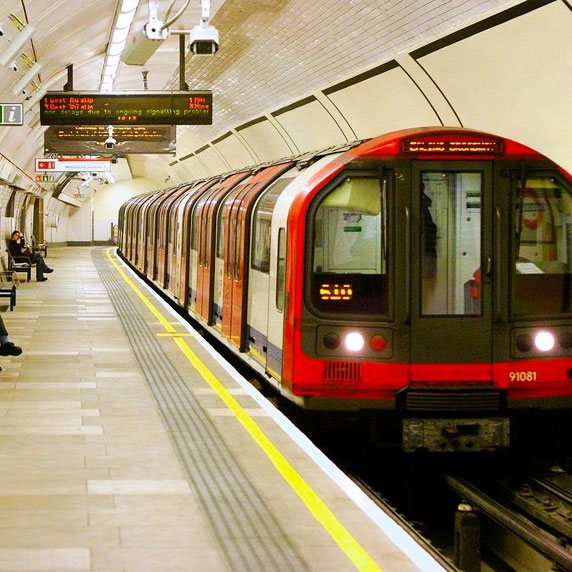
Subway (Metropolitana)
- Network: 4 subway lines (M1, M2, M3 and M5) covering most of the city.
- Prices:
- Single ticket: €2.20 (valid for 90 minutes)
- Daily pass: €7.60 | 3-day pass: €13.00
- Weekly pass: €17.00
Buses and Trams (Autobus e Tram)
- Network: Perfectly complements the subway, reaching more residential areas. The same integrated subway tickets are valid.
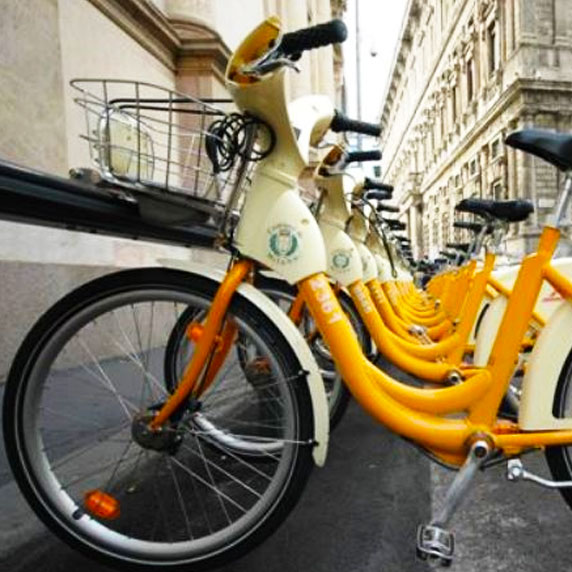
Bicycles (BikeMI)
- Service: Excellent bike-sharing system spread across plazas.
- Prices: Annual subscription: €36.00. Single trip: €0.50 for 30 minutes (with progressive increases thereafter).
Taxi
- Usage: Cannot be hailed on the street by hand; must be called via apps or directly at designated fixed taxi stands.
- Prices: Initial fare: €3.30 (daytime) or €5.30 (nighttime). Average value per kilometer: €1.10 to €2.00.
Car Sharing
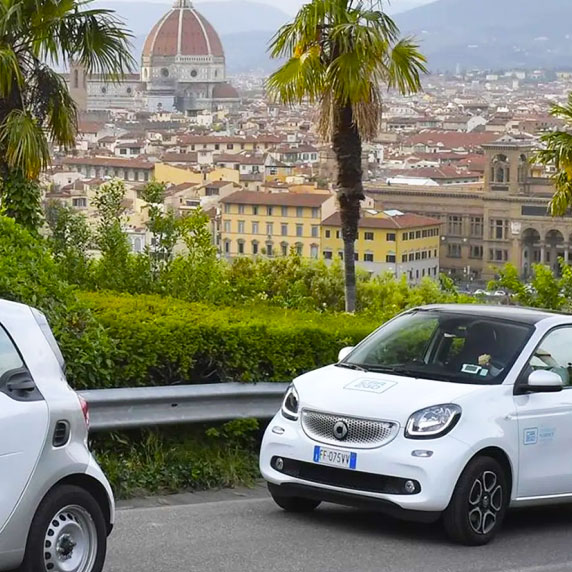
- Companies: Share Now, Enjoy and Miles operate with free-floating fleets. Average rate per minute: €0.25 to €0.50.
Walking
- Historic Center: Many central attractions are clustered close together, making walking the best ecological alternative.
Expert Tips
- ATM Card: Consider rechargeable cards if you plan to use public transit frequently.
- Apps: Use official ATM Milano, Moovit or Google Maps apps to manage routes in real time.
Milan is exquisitely well-connected, and choosing the best option depends solely on your itinerary and budget.
How to Get to Milan
Milan, one of Italy's most important cities, is a prime tourist and economic destination in the country. As an international hub, there are several ways to reach the city, whether by plane, train, car or bus.
Plane
The fastest and most common way to reach Milan is through Malpensa Airport (MXP), the city's main international airport, located about 45 km from the center. Another option is Linate Airport (LIN), closer to the center (about 8 km), but handling mainly domestic and European flights. There is also Bergamo Airport (BGY), used by many low-cost airlines, located approximately 50 km from Milan. From any of these airports, you can reach the city center by train, bus or taxi.
Train
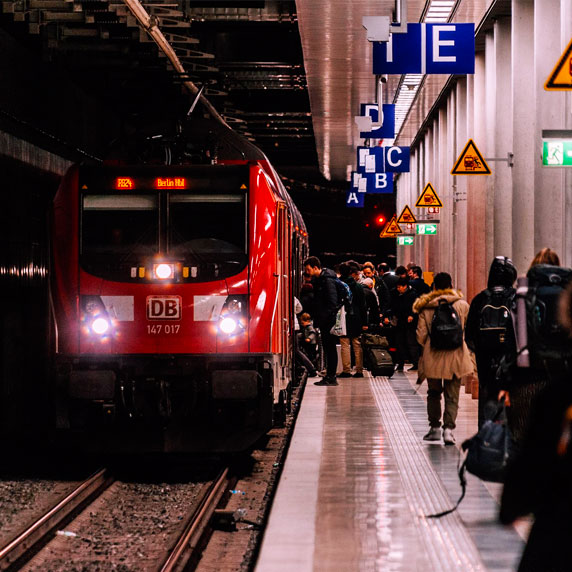
Milan is one of Italy and Europe's main railway junctions. Milan Central Station (Milano Centrale) receives high-speed trains (like Frecciarossa and Italo) from various Italian cities such as Rome, Florence, Venice and Turin, alongside international connections with countries like France, Switzerland and Germany. The train is a convenient and efficient option for those already in Europe.
Car
For those who prefer driving, Milan is well-connected by a network of roads and highways. The city is close to major routes, such as the A1 (connecting Milan to Naples via Bologna and Florence) and the A4 (connecting Turin to Trieste via Verona and Venice). However, it is important to remember traffic in Milan can be heavy, and access to the city center is restricted by the Limited Traffic Zone (ZTL).
Bus
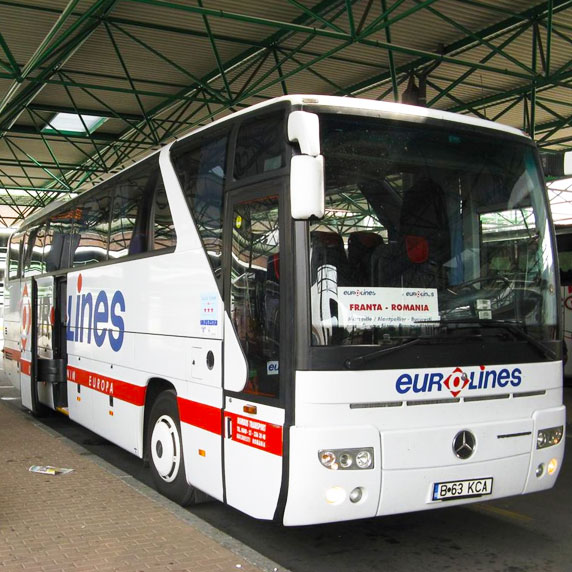
Bus companies like FlixBus and Eurolines offer economical connections between Milan and other European cities. The main bus station is near Milan Central Station, facilitating integration with other transport modes.
Milan as a Base for Exploring Northern Italy
Milan is a well-connected and easy-to-explore city, thanks to its efficient public transport system. Furthermore, its strategic location in northern Italy makes it an ideal starting point to explore other neighboring cities and regions through quick day trips:
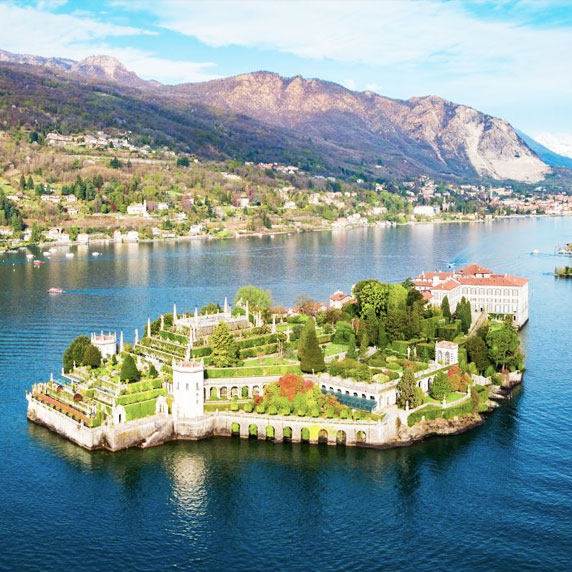
- Italian Lakes: Lake Como and Lake Maggiore are less than an hour away by train or car.
- Venice: About 2h30 away by high-speed train.
- Turin: Only 1h away by fast train.
- Genoa and the Ligurian Coast: Approximately 1h30 by train.
- Bergamo and Brescia: Historic cities less than 1h away.
- Switzerland: Incredible alpine destinations like Lugano and Zurich are a few hours away by train.
Additionally, Milan is close to renowned wine regions of Piedmont (like Langhe and Monferrato) and Lombardy (like Franciacorta), ideal for wine and fine dining lovers.
How to Get to Milan Center from Malpensa Airport
Malpensa Airport, located approximately 45 km northwest of Milan's center, is one of the region's main airports and offers several transport options for travelers wishing to reach the heart of the city. Below are the main available transportation means:
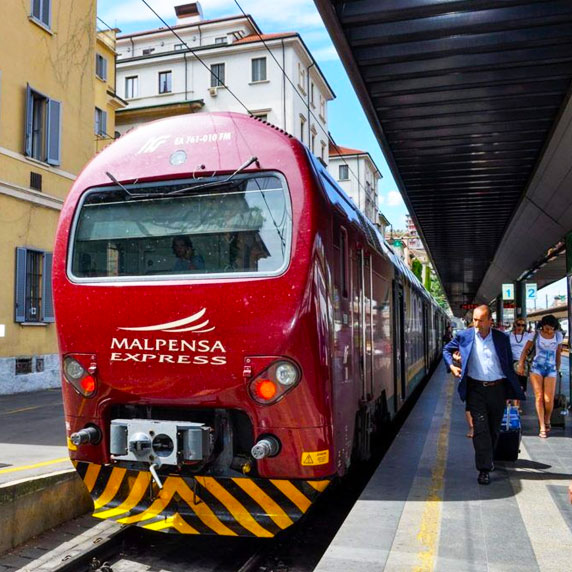
Malpensa Express Train
The Malpensa Express is the fastest and most direct option to reach Milan's center. Trains depart from terminals 1 and 2 of the airport and take about 50 minutes to reach Milan Central Station (Milano Centrale) or Cadorna station. Trains operate from 5 AM to 11 PM, with departures every 20-30 minutes. The ticket costs approximately €13 and can be purchased at self-service kiosks or online.
Shuttle Buses
Various bus companies offer transport services between Malpensa and central Milan. Buses tend to be more economical than the train, with fares around €8 to €10. They depart from terminals 1 and 2 and take about 50 to 70 minutes depending on traffic. Main companies include Terravision, Autostradale and Malpensa Shuttle, heading to Milano Centrale.
Taxi
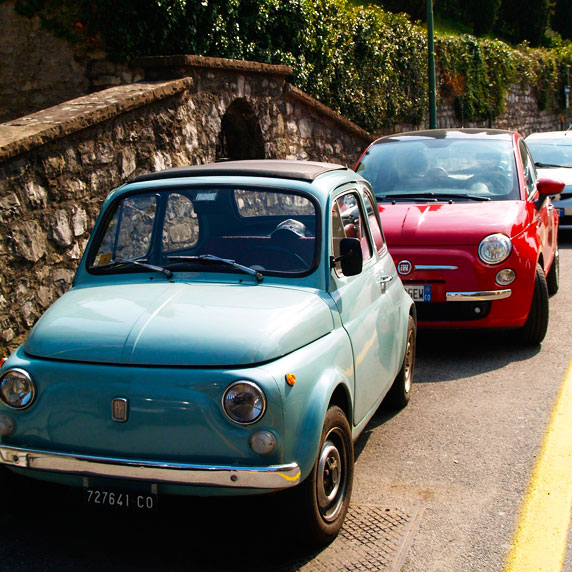
For those preferring greater convenience, taxis are available 24 hours a day in front of the terminals. The trip to the center takes approximately 50 minutes, and the average cost under regulated fixed fare ranges between €95 and €100.
Car Rental
For those wishing to explore the region with total autonomy, several car rental agencies are located at the terminals. Road access is via the A8 highway; however, watch out for heavy traffic restrictions and controlled zones (ZTL) in the Milan urban center.
Private Transfer
Private transfer services with multilingual drivers can be booked in advance with local agencies, providing comfortable executive vehicles and personalized meet-and-greet service at arrivals.
Regardless of the chosen transport mode, it is advisable to check schedules and fares in advance, especially during holidays or peak season. With these options, getting to central Milan from Malpensa Airport is easy and convenient, allowing you to start exploring the city worry-free.
Planned Itineraries: The Best of Milan Chronologically
Organize your days to enjoy monuments while maximizing travel time through our structured suggestion.
1-Day Itinerary: Milanese Essence
Morning: Start early at the Milan Duomo, climbing to the rooftop for fantastic photos. Next, cross Galleria Vittorio Emanuele II and stop for coffee.
Lunch: Savor an authentic *Risotto alla Milanese* at a downtown trattoria.
Afternoon: Walk to the imposing Castello Sforzesco and relax on the green lawns of Parco Sempione.
2-Day Itinerary: Art and Nightlife
Day 1: Follow the essential itinerary strictly focused on the Duomo, Gallery and Castle.
Day 2 (Morning): Visit *The Last Supper* at Santa Maria delle Grazie (booked in advance) and explore the bohemian Brera district.
Day 2 (Night): Finish your trip dining and enjoying a lively *Aperitivo* along the canals of the Navigli district.