
Parma
Complete Guide to the Creative Capital of Gastronomy
The Noble Elegance of the Capital of Gastronomy and the Arts
If there is one city in Italy that synthesizes cultural refinement, majestic architecture, and unparalleled gastronomic passion, that city is Parma. Located in the heart of the Po Valley, Parma is famous worldwide for giving its name to two of the greatest treasures of global cuisine: genuine Parmigiano Reggiano cheese and delicate cured Prosciutto di Parma ham.
Here at Roteiro na Itália, we make a point of showing that Parma goes far beyond its dinner table. Named a UNESCO Creative City of Gastronomy and the former capital of an influential aristocratic duchy, the city boasts monumental wooden theaters, baroque palace complexes, and Renaissance frescoes signed by masters such as Correggio and Parmigianino.
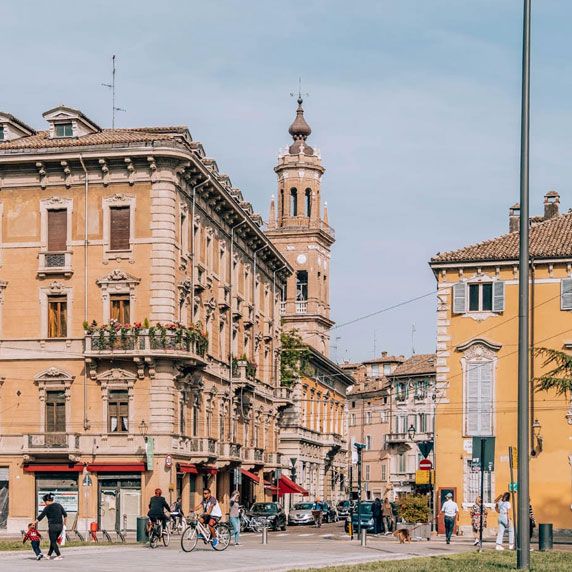
The History of Parma: From Roman Origins to the Farnese Duchy
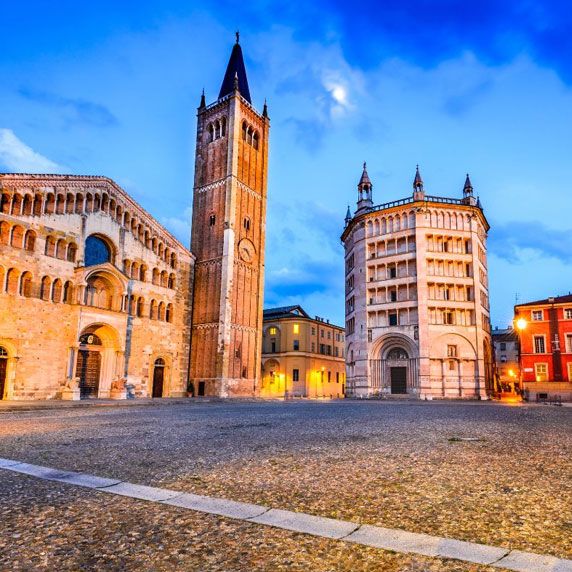
Founded as a Roman colony in 183 BC along the strategic Via Aemilia, Parma grew as a prosperous agricultural and commercial center. During the Middle Ages, the city asserted its independence as an autonomous commune, a period during which its spectacular Piazza del Duomo with the pink marble Cathedral and Baptistery was erected.
The peak of noble splendor occurred in 1545, when Pope Paul III created the Duchy of Parma and Piacenza for his son Pier Luigi Farnese. The Farnese dynasty — and later the Bourbons and Duchess Marie Louise of Austria (second wife of Napoleon Bonaparte) — transformed Parma into a refined European capital, building sumptuous palaces, French gardens, and promoting opera and the fine arts.
The Nicknames of Parma: Elegance, Cuisine, and Opera
Known for its aristocratic atmosphere and impeccable quality of life, Parma holds titles of great international prestige:
- UNESCO World Capital of Gastronomy: The first Italian city to receive this official title, recognized for its agri-food excellence supply chain.
- The Little Paris of Italy: A nickname earned during the government of Marie Louise of Austria in the 19th century, which brought French elegance, architecture, and savoir-faire to the heart of the city.
- The City of Opera and Lyrical Singing: The birthplace or inspiration of giants of classical music, such as composer Giuseppe Verdi and conductor Arturo Toscanini.
What to Do in Parma: Main Tourist Attractions
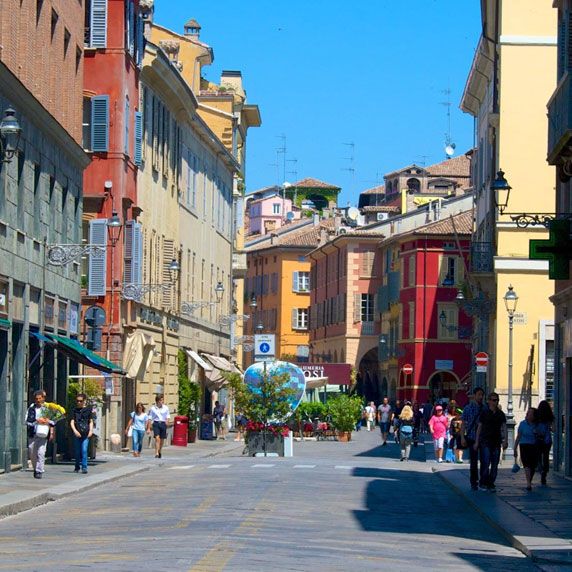
Walkable and extremely well-maintained, Parma offers a historic center full of monuments concentrated just a few steps from one another:
1. Piazza del Duomo and Cattedrale di Santa Maria Assunta
Considered one of the most beautiful medieval squares in Europe, Piazza del Duomo houses the monumental 12th-century Romanesque Cathedral. Inside, be amazed as you look up at the ceiling of the main dome and admire the frescoed masterpiece by Correggio: The Assumption of the Virgin.
2. Battistero di Parma
Next to the Cathedral stands the imposing octagonal Baptistery, clad in pink Verona marble. Designed by master Benedetto Antelami in the late 12th century, it marks the transition between the Romanesque and Gothic styles in Italy.
3. Palazzo della Pilotta and Teatro Farnese
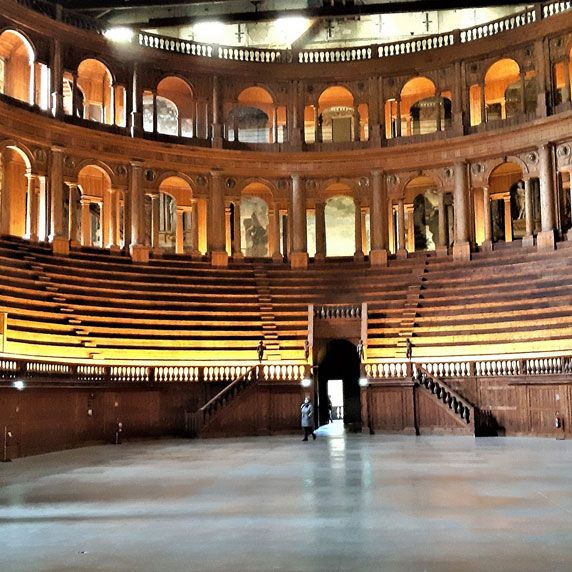
The monumental complex of Palazzo della Pilotta was the seat of the Farnese ducal power. Inside is the incredible Teatro Farnese, a theater built entirely of wood and stucco in 1618, considered one of the most impressive architectural examples in the world.
4. Teatro Regio of Parma
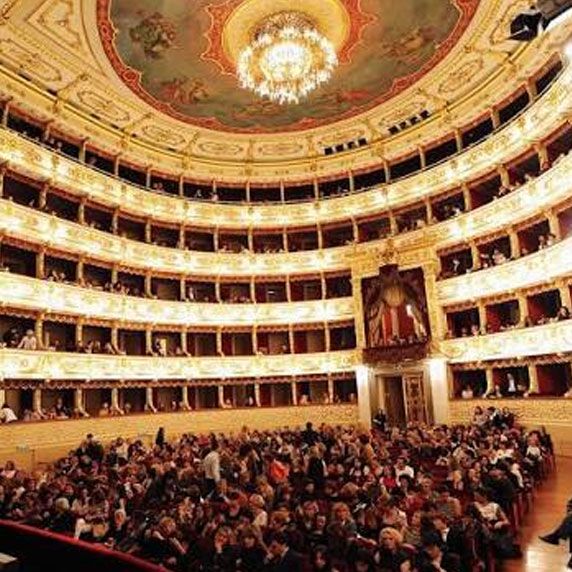
Inaugurated in 1829 by Duchess Marie Louise, Teatro Regio is one of the most prestigious temples of lyrical singing and international opera, with an audience world-famous for its technical demand.
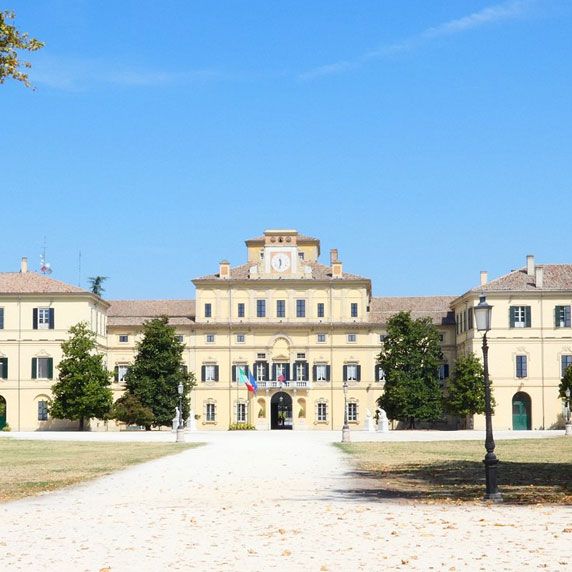
5. Parco Ducale
Crossing the bridge over the Parma torrent, Parco Ducale is the grand green lung of the city. Designed in French style in the 16th century, it features tree-lined alleys, classical statues, and a large lake with the exquisite Palazzo del Giardino.
6. Hidden Secrets of Parma
- Camera di San Paolo: Hidden in the former Benedictine monastery of San Paolo, it contains dazzling frescoes painted by Correggio in 1519 with mythological themes.
- Antica Spezieria di San Giovanni Evangelista: A historic pharmacy preserved since the 16th century, displaying decorated ceramic jars and alchemy instruments.
- The Violet of Parma: Duchess Marie Louise's favorite flower turned into the official perfume and aromatic symbol of the city.
Trip Planning: When to Go and How Long to Stay
How many days to stay in Parma?
1 day (Day trip): Sufficient to visit Piazza del Duomo, the Baptistery, Palazzo della Pilotta with Teatro Farnese, and have lunch at a traditional trattoria in the center.
2 days (Ideal): Allows you to explore the historic center leisurely and dedicate half a day to take a rural tour of an artisan Parmigiano Reggiano producer (caseificio) and a Prosciutto di Parma factory in the Langhirano area.
Best time to visit
Spring (April to June) and Autumn (September to November) offer the most pleasant temperatures for walking. In October, the city celebrates the acclaimed Verdi Festival, featuring operas and musical performances in the historic theaters.
Parma Gastronomic Guide: The Cuisine of Kings
In Parma, gastronomy is not just food: it is a secular religion cultivated in every kitchen and restaurant in the city.
Indispensable Typical Specialties
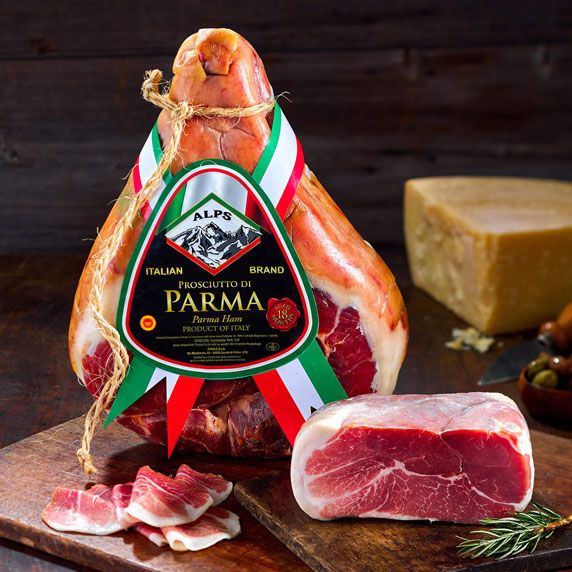
- Prosciutto di Parma DOP: Raw cured ham aged only with pork meat and sea salt in the air of the Parma hills.
- Parmigiano Reggiano DOP: The king of cheeses, enjoyed in loose chunks aged for 24, 30, or 36 months.
- Culatello di Zibello DOP: The noblest and most exclusive of Italian cured meats, produced in the microclimate of the Po River banks.
- Anolini in Brodo: Handcrafted stuffed pasta in the shape of small half-moons served in a well-concentrated meat broth.
- Tortelli d'Erbetta: Pasta squares stuffed with fresh ricotta, spinach, Parmigiano, and finished with melted butter and sage.
- Torta Fritta: The Parmese version of fried dough, a mandatory accompaniment for cold cut platters.
Where to Eat in Parma: Restaurant Suggestions
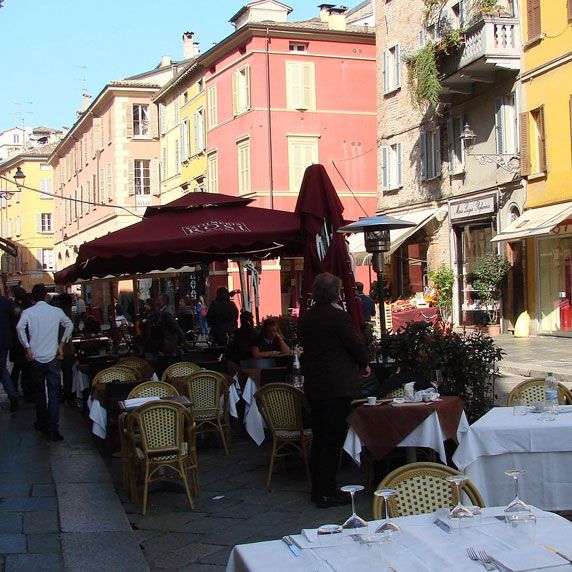
The city offers everything from affordable appetizers to traditional trattorias and internationally recognized haute cuisine.
-
Budget (€)
Pepy's Bar or Panino D'Oro. Ideal for ordering a platter of Torta Fritta with Prosciutto di Parma and a glass of regional wine at affordable prices.
-
Mid-range (€€)
Trattoria Corrieri or Trattoria del Tribunale. Excellent local references in the center to taste Anolini in Brodo and Tortelli d'Erbetta in a cozy atmosphere.
-
Exclusive Experience (€€€)
Ristorante Cocchi or Inkiostro. Top-tier options that combine classic Parma tradition with modern haute cuisine techniques.
Where to Stay in Parma: Accommodation Tips
Parma is a safe and quiet city. The best areas to stay include:
- Historic Center: The best option for those who want to do everything on foot and stay close to the Duomo, theaters, and restaurants.
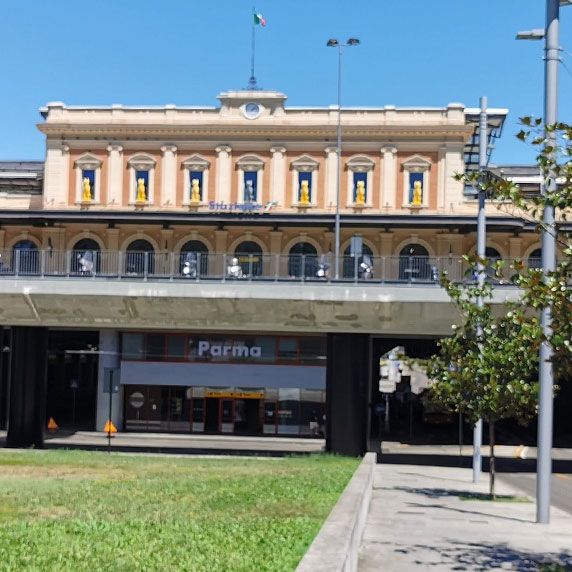
- Around the Station (Stazione di Parma): Convenient for train travel, located about a 10 to 15-minute walk from Piazza Garibaldi.
- Oltretorrente (West Side of the River): A more authentic, bohemian, and traditional neighborhood, great for finding charming Bed & Breakfasts.
To check and compare accommodations with real reviews, consult Booking.com Parma.
How to Get There and Get Around Parma
By Train (Recommended Option)
Parma has excellent train connectivity. From Bologna, the regional or intercity train journey takes only about 50 minutes. Coming from Milan, the trip lasts about 1 hour and 10 minutes.
By Car and Attention to ZTL
For those coming via the A1 highway, use the Parma Centro exit. Maximum Attention: The historic center has a strict camera-monitored ZTL (Zona a Traffico Limitato).
Parking Tip: Park in garage buildings outside the historic perimeter, such as Parcheggio Toschi, located next to Palazzo della Pilotta.
Day Trips from Parma
Use Parma as a starting point to explore fascinating attractions in the surroundings:
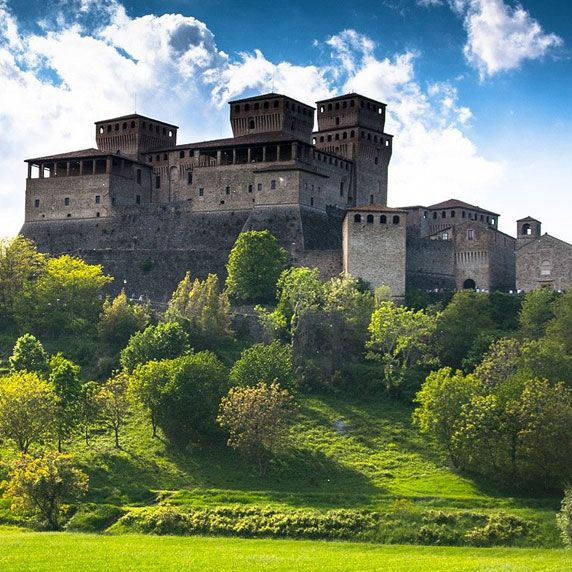
- Castello di Torrechiara: One of the most spectacular and well-preserved medieval castles in Italy, located just 18 km south of Parma on top of a hill surrounded by vineyards.
- Langhirano Region (Ham Route): Visit the hills where Prosciutto di Parma is cured by mountain winds.
- Labirinto della Masone (Fontanellato): The largest bamboo maze in the world, created by publisher and art collector Franco Maria Ricci.
Practical Tips for Your Trip to Parma
- Buy Pilotta Complex Tickets in Advance: The unified ticket provides access to Teatro Farnese, Galleria Nazionale, Museo Archeologico, and Biblioteca Palatina.
- Schedule Gastronomic Visits in the Morning: Parmigiano Reggiano production in the caseifici takes place very early (between 8:00 AM and 10:00 AM). Plan your tour early in the day.
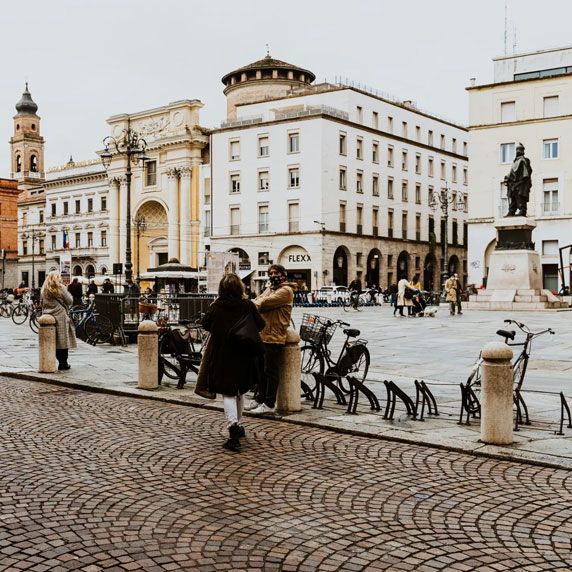
- Rent a Bicycle: Parma is one of the most bicycle-friendly cities in Italy. Many hotels offer free bicycles to their guests.
Suggested Itinerary: 1 Day in Parma Step by Step
Morning (09:00 - 12:30):
- Start your day in monumental Piazza del Duomo. Visit the interior of the Cathedral and contemplate Correggio's dome.
- Enter the pink marble Baptistery to appreciate its medieval reliefs and frescoes.
- Walk to Camera di San Paolo to see the secret frescoes of the Benedictine monastery.
Lunch (12:30 - 14:30):
Sit down at a traditional trattoria to enjoy a plate of Tortelli d'Erbetta, followed by a platter of Prosciutto di Parma and Torta Fritta accompanied by Lambrusco wine.
Afternoon (14:30 - 18:00):
- Explore the imposing Palazzo della Pilotta and be amazed by the wooden architecture of Teatro Farnese.
- Crossing the Parma River, take a relaxing walk through the flowery alleys of Parco Ducale.
- Return to the historic center via Piazza Garibaldi to grab a gelato or enjoy an Italian aperitif.
Frequently Asked Questions About Parma (FAQ)
Is it worth visiting Parma on a day trip from Bologna or Milan?
For sure! Parma is just 50 minutes away by train from Bologna and 1 hour and 10 minutes from Milan, making it one of the most enriching and practical day trips in the region.
Is it possible to visit Parmigiano Reggiano factories without a car?
Yes. There are producing cooperatives and guided tours with transportation included departing from the center of Parma, as well as dairies located on the urban limits accessible by taxi or public transport.
What is the best time to go to Parma?
Spring (April to June) and autumn (September to November) are the best periods. In October, the city becomes especially vibrant due to the Verdi Opera Festival.
Explore Other Cities in Emilia-Romagna
The Emilia-Romagna region has one of the most efficient and closely linked railway networks in all of Italy. Take advantage of your trip to Parma to connect your itinerary to other unmissable destinations in the region:
Bologna
The regional capital and major transportation hub. Famous for its over 40 km of porticoes (UNESCO Heritage), the oldest university in the Western world, and its legendary gastronomy.
Modena
The capital of motors and traditional balsamic vinegar. Home of Ferrari, legendary chef Massimo Bottura, and a UNESCO-listed historic center.
Ferrara
A Renaissance jewel dominated by the majestic Castello Estense with its water moat, perfect for exploring by bicycle and discovering traces of the d'Este family history.
Ravenna
Famous worldwide for its 5th- and 6th-century Byzantine mosaics, declared World Heritage Sites by UNESCO, and for housing Dante Alighieri's tomb.
Piacenza
Located on the border with Lombardy, a quiet and elegant city full of noble palaces, Romanesque churches, and an excellent tradition of cold cuts and wines.
Rimini
The famous Adriatic coast resort combining vibrant beaches with a rich historic center of Roman origin and filmmaker Federico Fellini's legacy.
Ready to Experience the Elegance and Flavors of Parma?
Parma is a city that conquers through the senses: through the sight of its golden frescoes and marble churches, the enchanting sound of its operatic traditions, and above all, the unmatched flavors of its royal table. An unforgettable stop on any itinerary through northern Italy.
Continue browsing Roteiro na Itália to check out our detailed guides on Bologna, Modena, and other Emilia-Romagna jewels. Buon viaggio!