
Ravenna
Complete Guide to the Capital of Byzantine Mosaics and Eternal Art
The City of Golden Radiance and Imperial History
Few cities in the world manage to fascinate the traveler so deeply through brilliance and color as Ravenna. Hidden in the east of Emilia-Romagna, a few kilometers from the Adriatic coast, Ravenna was three times the capital of empires: of the Western Roman Empire, the Kingdom of the Ostrogoths, and the Byzantine Exarchate.
Here at Roteiro na Itália, we show why Ravenna is an unmissable stop. Its eight paleochristian and Byzantine monuments, recognized by UNESCO, preserve the most spectacular and well-preserved mosaics in humanity. Furthermore, the city preserves the memory of the greatest poet of the Italian language, Dante Alighieri, in a serene and perfectly walkable atmosphere.
The History of Ravenna: Three Times Capital of the Western World
Its strategic location surrounded by swamps and close to the sea led Emperor Honorius to transfer the capital of the *Western Roman Empire* from Milan to Ravenna in 402 AD. With the fall of Rome, the city maintained its prestige by becoming the capital of the Ostrogothic king *Theodoric the Great*.
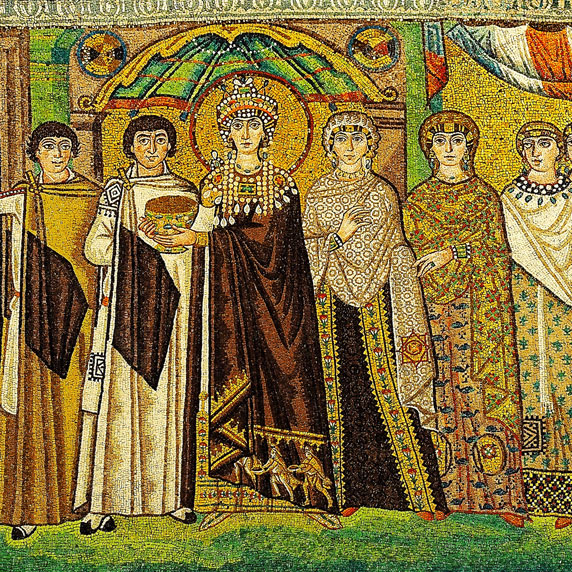
In the 6th century, under the reign of Byzantine Emperor Justinian and his wife Empress Theodora, Ravenna reached its artistic peak. Artists and mosaic masters from Constantinople covered the walls of its basilicas with millions of tiny glass tesserae and gold leaf, creating masterpieces that have survived more than 1,500 years intact.
The Nicknames of Ravenna: Mosaics, Literature, and Sea
With a unique cultural identity in Italy, Ravenna boasts historical titles of global prestige:
- World Capital of Byzantine Mosaics: The largest and most valuable collection of paleochristian mosaic art preserved in the western world.
- The Last Resting Place of Dante: The city that welcomed the "Father of the Italian Language" in exile, where he completed the Paradise of his masterpiece, the Divine Comedy.
- The City of Eight UNESCO Monuments: An impressive number of world heritage sites concentrated in the historic center and surroundings.
What to Do in Ravenna: Main Tourist Attractions
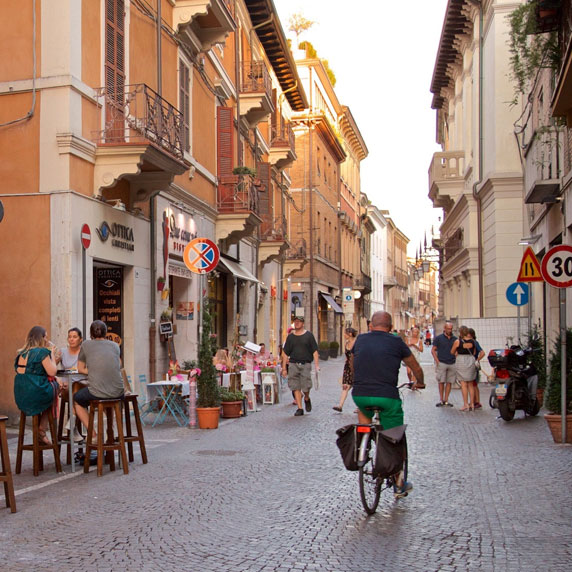
Most of Ravenna's monuments and mosaics are located in the calm-traffic historic center, perfect for exploring on foot:
1. Basilica di San Vitale
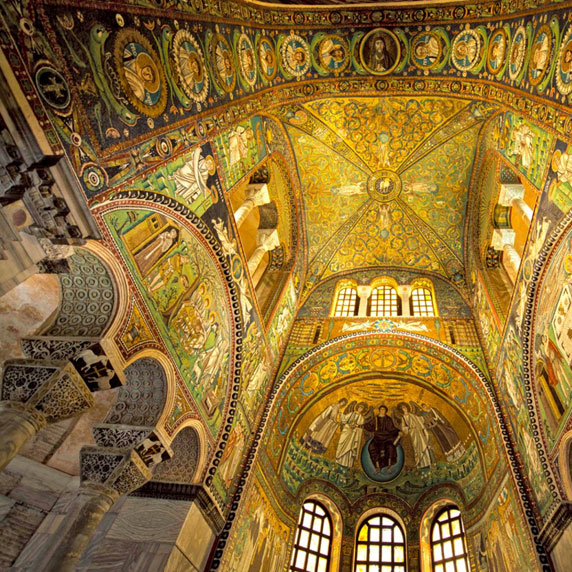
A jewel of Byzantine octagonal architecture inaugurated in 547 AD. Its apse houses the legendary mosaic portraits of Emperor Justinian and Empress Theodora, flanked by their royal entourages in glowing detail.
2. Mausoleo di Galla Placidia
Located in the same complex as San Vitale, this small Latin cross-shaped mausoleum guards a cobalt-blue mosaic frescoed ceiling filled with golden stars, considered one of the most poetic works of art in the world.
3. Basilica di Sant'Apollinare Nuovo
Originally built by the Ostrogothic king Theodoric, its central nave walls display a monumental mosaic procession with 26 martyrs and virgins walking towards Christ and the Virgin Mary.
4. Tomba di Dante e Zona del Silenzio
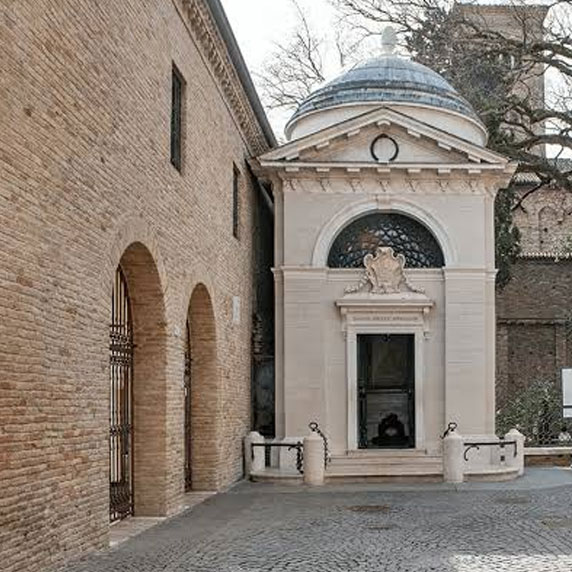
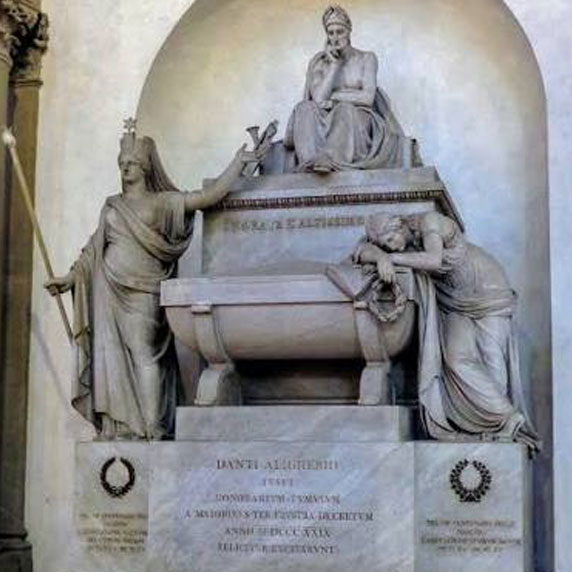
The small neoclassical temple that guards the remains of Dante Alighieri. The site is surrounded by an area of absolute respect called the "Zone of Silence", which includes the Dante Museum and the Franciscan cloisters.
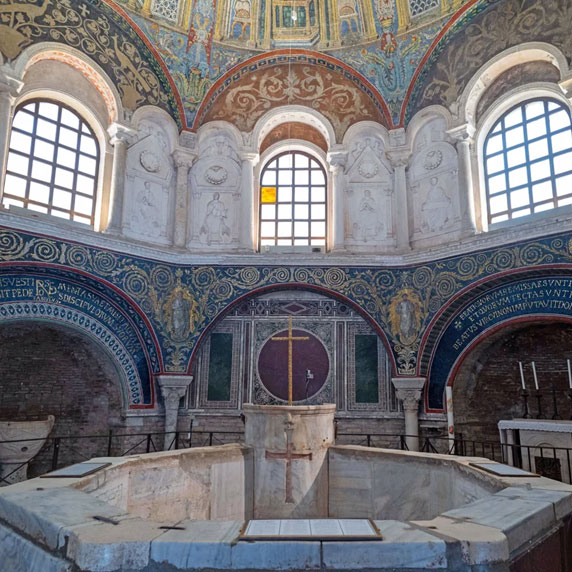
5. Battistero Neoniano e Museo Arcivescovile
The city's oldest baptistery features a spectacular central ceiling mosaic representing the Baptism of Christ in the Jordan River. Next door, the museum houses the Chapel of Saint Andrew and the famous ivory throne of Bishop Maximian.
6. Hidden Secrets of Ravenna
- Submerged Crypt of San Francesco: Located below the altar of the church where Dante's funeral took place, the crypt remains permanently flooded, with fish swimming over 5th-century mosaics.
- Mausoleo di Teodorico: Monumental stone tomb built by the Ostrogothic king outside the walls, featuring a unique 230-ton monolith as a roof.
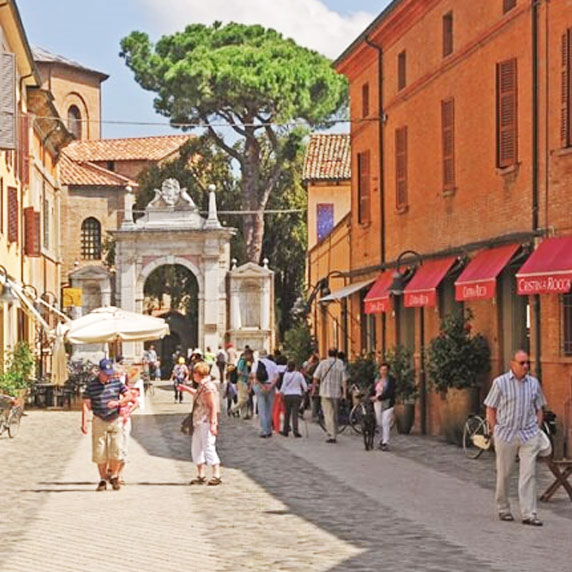
- Piazza del Popolo: The social heart of Ravenna, featuring elegant Venetian architecture and great outdoor cafes.
Trip Planning: When to Go and How Long to Stay
How many days to stay in Ravenna?
1 day (Day trip): Sufficient to cover the main UNESCO mosaic circuit (San Vitale, Galla Placidia, Sant'Apollinare) and pay respects at Dante's Tomb.
2 days (Ideal): Allows you to visit the Basilica of Sant'Apollinare in Classe (outside the center), explore modern mosaic museums, experience the flooded crypt leisurely, and enjoy Ravenna's beaches in the summer.
Best time to visit
Spring (April to June) and Autumn (September and October) offer pleasant temperatures and fewer crowds. In June and July, the acclaimed Ravenna Festival brings great names in classical music and theater to historic settings.
Ravenna Gastronomic Guide: Flavors of Romagna and the Sea
Ravenna's cuisine combines Romagna's artisan pasta tradition with the freshness of fish and seafood from the Adriatic coast.
Indispensable Typical Specialties
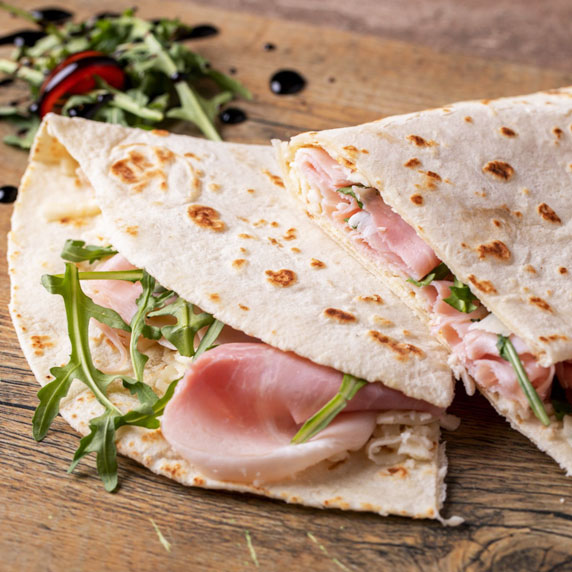
- Piadina Romagnola IGP: The region's traditional flatbread, grilled on a griddle and stuffed with Squacquerone DOP cheese, cured ham, and arugula.
- Cappelletti al Ragù: Pasta traditionally stuffed with cheeses (no meat in the filling, unlike Bologna) and served with a rich meat sauce.
- Passatelli in Brodo or Asciutti: Pasta made from breadcrumbs, Parmigiano cheese, and nutmeg, served in broth or with seafood.
- Brodetto di Pesce: The traditional fish and seafood soup of the Adriatic coast, seasoned with tomato and vinegar.
- Cozze di Marina di Ravenna: Wild mussels harvested from offshore platforms along the coast, famous for their intense flavor.
Where to Eat in Ravenna: Restaurant Suggestions
Options ranging from traditional piadina kiosks to refined osterias in the historic center.
-
Budget (€)
Profumo di Piadina or La Piadineria del Melarancio. Ideal for enjoying authentic artisan warm Piadina Romagnola at friendly prices.
-
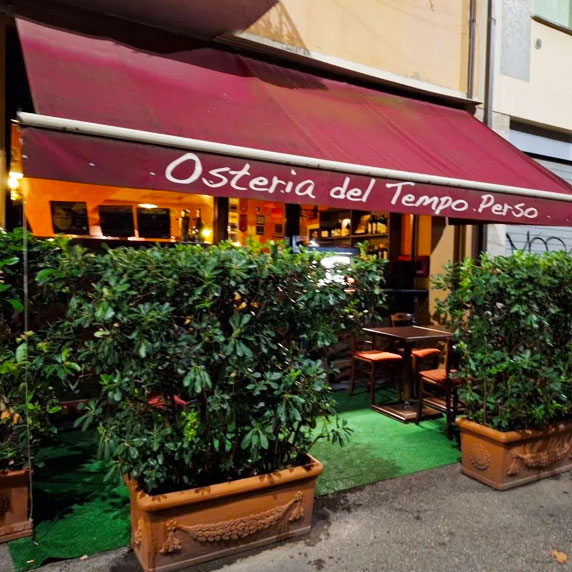
Mid-range (€€)
Osteria del Tempo Perso or Ca' de Vèn. A historic enoteca housed in a 15th-century palace, perfect for tasting Cappelletti and Sangiovese di Romagna wines.
-
Exclusive Experience (€€€)
Ristorante Antica Trattoria Al Rododendro or Osteria L'Acciuga. Excellent options focused on refined seafood gastronomy and historical Romagna recipes.
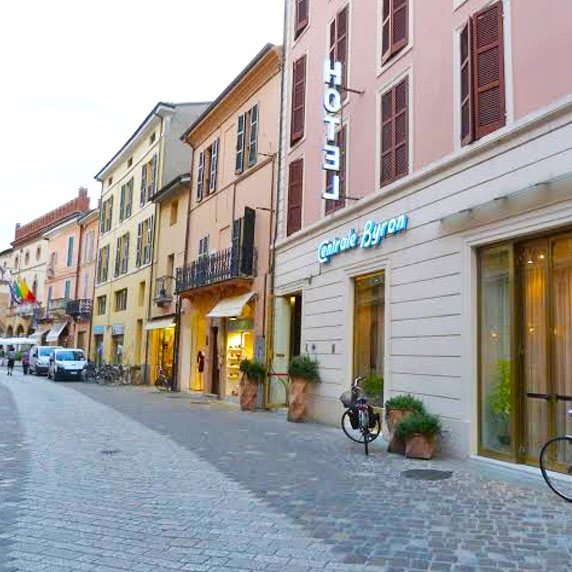
Where to Stay in Ravenna: Accommodation Tips
Ravenna is welcoming and safe. The best areas to stay include:
- Historic Center (Piazza del Popolo / San Vitale): Excellent for visiting monuments on foot and enjoying the quiet nightlife of the squares.
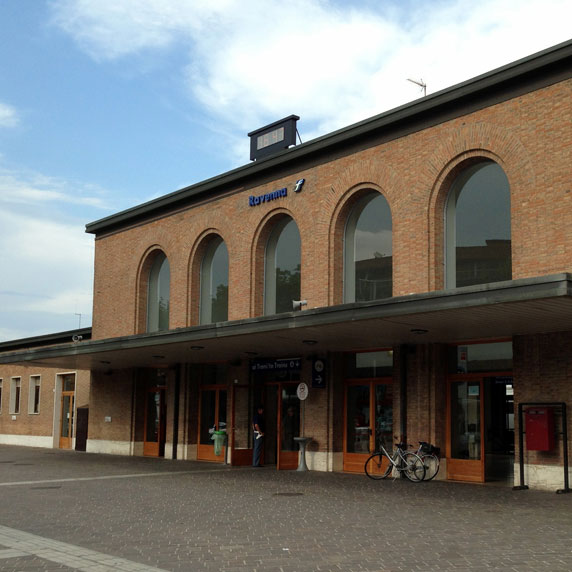
- Around the Train Station: Very convenient for travelers with heavy luggage, located just a 10-minute walk from Piazza del Popolo.
- Lidi Ravennati (Beaches): For those visiting in the summer who want to combine cultural tourism during the day with seaside accommodation (such as Marina di Ravenna).
To check and compare accommodations with real reviews, consult Booking.com Ravenna.
How to Get There and Get Around Ravenna
By Train (Recommended Option)
Ravenna is easily accessible by train. From Bologna, the regional train journey takes about 1 hour. Coming from Rimini, the trip lasts about 45 minutes.
By Car and Attention to ZTL
The historic center is covered by a pedestrian zone and ZTL (Zona a Traffico Limitato) active 24 hours a day.
Parking Tip: Use the large paid parking lot Parcheggio Guidarello or the free parking at Piazza della Resistenza, located just outside the pedestrian perimeter.
Day Trips from Ravenna
Take advantage of your stay to explore the coastline and neighboring natural parks:
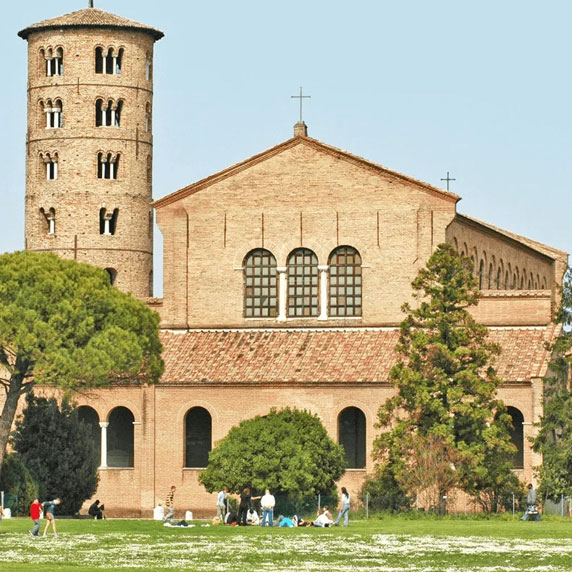
- Basilica di Sant'Apollinare in Classe: Located 8 km south of the center, one of the grandest paleochristian basilicas in the world, featuring a monumental apse mosaic.
- Cervia and Salina di Cervia: Historic town famous for its salt pans and the production of Cervia's brown "sweet salt".
- Brisighella: One of Italy's most beautiful medieval villages, nestled in the Romagna hills with its famous Via degli Asini.
Practical Tips for Your Trip to Ravenna
- Book Mausoleum of Galla Placidia Time Slot: Due to the small size of the space, entry requires scheduling a fixed time when purchasing the unified UNESCO ticket.
- Bring Eyeglasses or Small Binoculars: Many of the most impressive mosaics are on the high ceilings and domes of the basilicas.
- Rent a Bicycle: Ravenna is extremely flat and bike-friendly. Cycling to Theodoric's Mausoleum is a pleasant ride.
Suggested Itinerary: 1 Day in Ravenna Step by Step
Morning (09:00 - 12:30):
- Start at the spectacular complex of the Basilica di San Vitale and admire the starry ceiling of the Mausoleo di Galla Placidia.
- Head to the Battistero Neoniano and visit the Archbishop's Museum.
Lunch (12:30 - 14:30):
Pause at a historic restaurant in Piazza del Popolo to try Cappelletti al Ragù and a traditional Piadina Romagnola.
Afternoon (14:30 - 18:00):
- Pay respects at the Tomb of Dante Alighieri and visit the impressive flooded crypt of the Church of San Francesco.
- Walk to the Basilica di Sant'Apollinare Nuovo to contemplate the mosaic processions.
- End the afternoon strolling through local mosaic artisan shops and having a coffee in Piazza del Popolo.
Frequently Asked Questions About Ravenna (FAQ)
Is it worth visiting Ravenna on a day trip from Bologna?
For sure! Ravenna is about a 1-hour direct train ride from Bologna, making it one of the most fascinating and practical cultural day trips to take in Emilia-Romagna.
How does the unified ticket for the UNESCO mosaics work?
There is a single combined ticket that grants access to the main Byzantine monuments (San Vitale, Galla Placidia, Sant'Apollinare Nuovo, Neonian Baptistery, and the Archbishop's Museum). It is recommended to book with a scheduled time online.
Why is Dante Alighieri buried in Ravenna and not in Florence?
Dante was exiled from Florence in 1302 and spent his final years welcomed in Ravenna, where he completed the Divine Comedy and passed away in 1321.
Explore Other Cities in Emilia-Romagna
The Emilia-Romagna region has one of the most efficient and closely linked railway networks in all of Italy. Take advantage of your trip to Ravenna to connect your itinerary to other unmissable destinations in the region:
Bologna
The regional capital and major transportation hub. Famous for its over 40 km of porticoes (UNESCO Heritage), the oldest university in the Western world, and its legendary gastronomy.
Modena
The capital of motors and traditional balsamic vinegar. Home of Ferrari, legendary chef Massimo Bottura, and a UNESCO-listed historic center.
Parma
UNESCO Creative City of Gastronomy, famous worldwide for Parmigiano Reggiano, Prosciutto di Parma, and the magnificent Teatro Farnese.
Ferrara
A Renaissance jewel dominated by the majestic Castello Estense with its water moat, perfect for exploring by bicycle and discovering traces of the d'Este family history.
Piacenza
Located on the border with Lombardy, a quiet and elegant city full of noble palaces, Romanesque churches, and an excellent tradition of cold cuts and wines.
Rimini
The famous Adriatic coast resort combining vibrant beaches with a rich historic center of Roman origin and filmmaker Federico Fellini's legacy.
Ready to Be Dazzled by the Mosaics of Ravenna?
Ravenna is a transformative experience in Italy. Entering its basilicas and witnessing the light reflected in the gold of mosaics created over 1,500 years ago is something that remains etched in memory forever.
Continue browsing Roteiro na Itália to check out our detailed guides on Bologna, Ferrara, Modena, and other Emilia-Romagna jewels. Buon viaggio!