
Venice
The City of Canals and Gondolas Floating in History
Venice, the floating city, is one of the world's most iconic and romantic tourist destinations.
Located in northeastern Italy, this jewel of the Adriatic is famous for its winding canals, breathtaking architecture, and magical atmosphere that seems to transport visitors back in time.
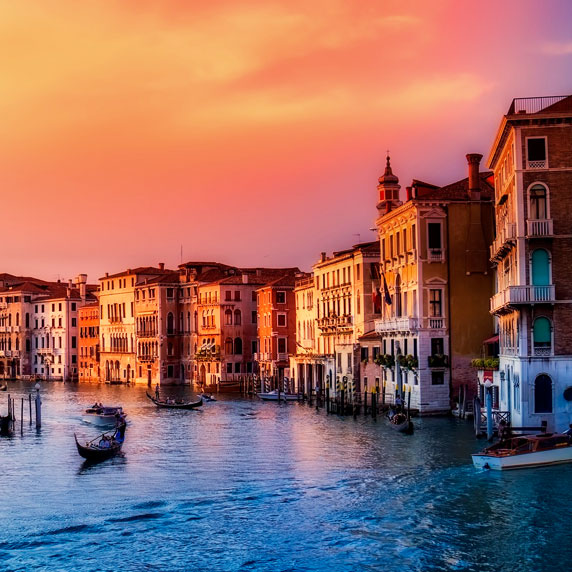
Known as "La Serenissima," Venice is built on more than 100 small islands, connected by a network of bridges and canals. The Grand Canal, the city's main waterway, is lined with historic palaces and buildings that reflect centuries of history and culture. A gondola ride along these canals is an unmissable experience, offering a unique perspective of the city and its hidden secrets.
To plan your visit, check monument operating hours, entrance fees, and cultural events, consult the official tourism portal of Comune di Venezia.
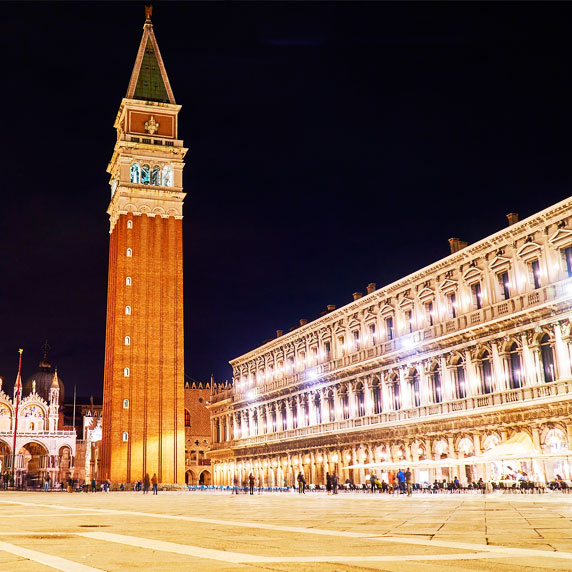
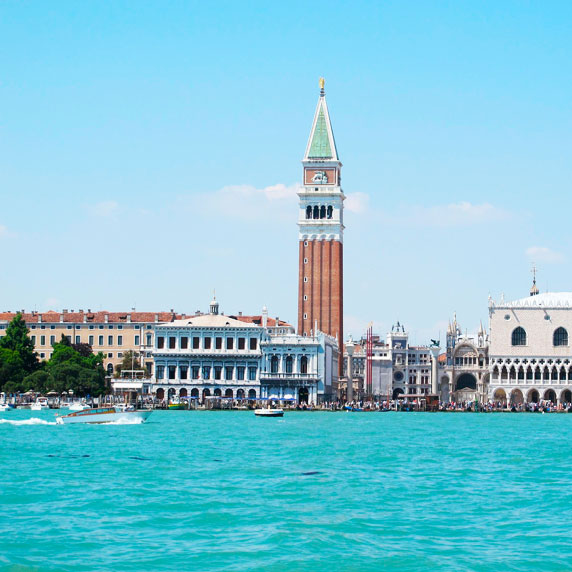
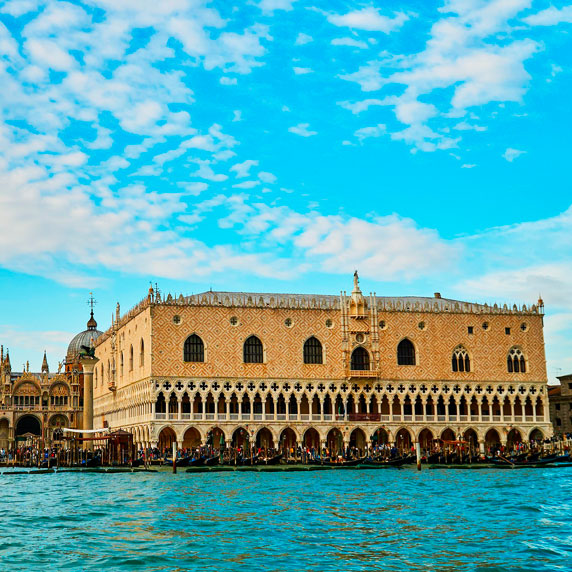
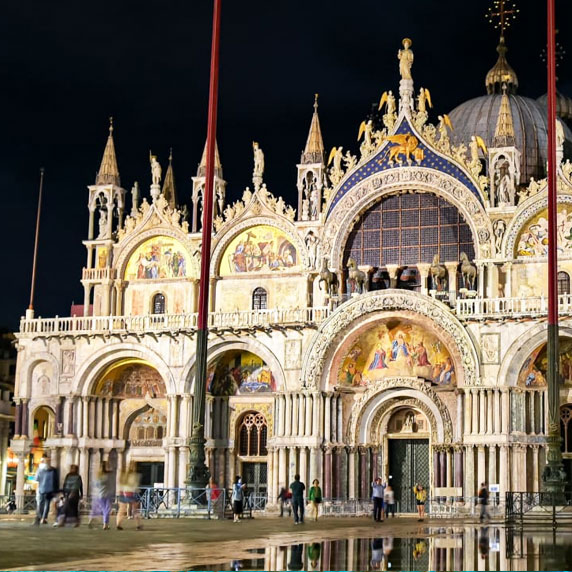
St. Mark's Square, the heart of Venice, houses some of its most famous attractions, such as St. Mark's Basilica, with its stunning mosaics, and the Campanile, from where you can enjoy sweeping panoramic views of the city. The Doge's Palace, a magnificent example of Venetian Gothic architecture, tells the story of the power and wealth of the Republic of Venice.
Beyond its architectural beauty, Venice is a paradise for lovers of art and culture. The city is home to renowned museums, such as the Gallerie dell'Accademia, which houses masterpieces by artists like Titian, Tintoretto, and Veronese. The Carnival of Venice, with its elaborate masks and luxurious celebrations, is one of the most famous events in the world, attracting visitors from every corner.
Venice is also a top-tier culinary destination. Venetian cuisine, influenced by its proximity to the sea, features dishes like seafood risotto, sarde in saor (marinated sardines), and fritto misto (fried seafood). And, of course, you cannot leave without trying a spritz, the region's typical cocktail, while enjoying the sunset at one of the many canal-side cafes.
With its unique combination of history, art, culture, and natural beauty, Venice is a destination that captivates and delights all who visit. It is a place where every corner reveals a new surprise, and every moment becomes an unforgettable memory. Venice is not just a city; it is an experience that stays in your heart forever.
Foundation and History of Venice
The Origin of Venice
Venice, known as the "City of Water," was founded in a peculiar context marked by political turbulence and migrations. Its origin dates back to the Roman Empire period, more specifically to the 5th century AD, when the empire was in decline and the Italian Peninsula suffered from barbarian invasions.
In the early 5th century, Germanic tribes, such as the Visigoths and the Huns, invaded northern Italy, causing great instability. To escape these invasions, many local populations sought refuge in safer areas. That is how groups of people began settling on the marshy islands of the Venetian Lagoon, a location difficult for invaders to access due to its flooded terrain full of canals.
The Venetian Lagoon and Official Foundation
The Venetian Lagoon, situated in the Adriatic Sea, was a harsh environment with muddy terrain and salty waters. However, the first inhabitants saw an opportunity to protect themselves in this unique geography. They drove wooden stilts (piles) into the ground to solidify the foundation and began erecting houses and structures over the water. This ingenuity allowed the community to grow and thrive in a place that seemed inhospitable at first glance.
The official foundation of Venice is traditionally attributed to March 25, 421 AD, when the first church, the Church of San Giacomo di Rialto, was constructed on the island of Rialto. However, this milestone is more symbolic than historical, as the settlement process across the islands was gradual and occurred over decades.
In the 6th century, Venice began gaining strategic and economic importance, especially during the reign of Byzantine Emperor Justinian I. The city became a connection hub between the Byzantine Empire and the West, facilitating trade and navigation throughout the Mediterranean.
Growth and the Most Serene Republic
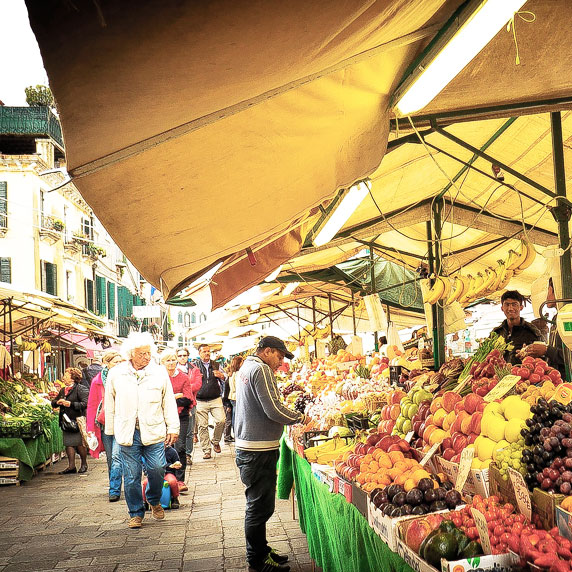
Over time, Venice transformed into a maritime and commercial powerhouse. Its privileged location allowed the city to control trade routes between East and West, bringing wealth and influence. By the 9th century, Venice was already an independent city-state ruled by a doge (duke), and began expanding its naval and territorial strength.
The city also stood out for its skill in navigation and the construction of ingenious vessels, such as the famous galleasses and galleys, which dominated the seas for centuries. In addition, Venice became a cultural and artistic center, especially during the Renaissance, attracting artists, architects, and intellectuals from all over Europe.
In 697 AD, Venice was officially established as a republic, known as the Most Serene Republic of Venice. This political system, which lasted over a thousand years, was unique in Europe, combining elements of democracy, oligarchy, and monarchy. The doge was the supreme leader, but his power was limited by a council of nobles and complex political institutions.
The Republic of Venice reached its peak between the 13th and 15th centuries, when it controlled trade routes in the Mediterranean, including the trade of spices, silk, and other valuable goods. Its naval fleet was one of the most powerful in the world, and the city accumulated immense wealth, reflected in its breathtaking architecture, such as St. Mark's Basilica and the Doge's Palace.
The foundation of Venice is a remarkable example of how adversity can lead to innovation and the creation of something extraordinary. The city emerged from the need for protection and survival, but ultimately became one of the most important centers in European history. Today, Venice continues to enchant the world with its canals, bridges, and palaces, keeping the memory of its incredible journey alive.
Climate and Seasons: The Best Time to Visit Venice
Each period of the year reveals a different side of the iconic city of canals.
Spring (April to June) and Autumn (September to October)
Spring: Temperatures are mild (15°C to 25°C), days are sunny, and gardens are in bloom. Events like the Feast of Saint Mark (April 25) and the Art Biennale add unique cultural value.
Autumn: The weather remains pleasant (18°C to 25°C) and the city takes on golden, romantic tones. Tourist crowds decrease, making it excellent for enjoying squares and bridges peacefully, as well as attending festivals like the Festa del Mosto.
Summer (July to August) and Winter (November to February)
Summer: This is the warmest and busiest season, often exceeding 30°C. There are large crowds, but also lively festivals like the magnificent Festa del Redentor in July, featuring spectacular fireworks.
Winter: Winter brings an intimate climate (0°C to 10°C), often shrouded in mysterious mist. It is perfect for visiting museums without lines. February brings the magical and world-famous Carnival of Venice. Just keep in mind the seasonal occurrence of acqua alta (temporary high-water flooding).
My Personal Take
"For a perfect balance between pleasant weather and fewer crowds, spring and autumn are unbeatable. Winter brings a uniquely magical air of mystery for those looking to skip the lines."
Don't Miss When in Venice: Charming Highlights
With its winding canals and charming bridges, the capital of Veneto hides treasures that deserve to be experienced deeply.
Piazza San Marco (St. Mark's Square)
The beating heart of Venice. Dominated by the grand St. Mark's Basilica with its golden mosaics, and the Campanile, which offers a breathtaking, sweeping panoramic view. Historic cafes, such as the legendary Caffè Florian (founded in 1720), invite you to enjoy live music under the moonlight.
Palazzo Ducale (Doge's Palace) and the Bridge of Sighs
This Gothic palace was the political power center of the Most Serene Republic. It showcases sumptuous rooms and masterly works of art. The famous Bridge of Sighs connects the palace to the old dungeons, bearing legends of the prisoners' final sighs as they glanced at the city.
The Ultimate Postcards of the City of Water
Sites rich in culture, art, and medieval and Renaissance heritage.
Grand Canal (Canal Grande) and Rialto Bridge
The main canal snakes through the city in an 'S' shape, lined with aristocratic palaces. Crossing over it is the imposing Rialto Bridge, the oldest and most commercial bridge in the city, built in the 16th century.
The Islands of Murano and Burano
Murano is internationally famous for its centuries-old tradition of hand-blown glass created by local artisans. Meanwhile, Burano delights the eyes with its vibrant, multicolored houses and delicate handmade lace craftwork.
Teatro La Fenice and Scuola Grande di San Rocco
La Fenice is one of the most prestigious opera houses in Europe. The Scuola Grande di San Rocco stands out for walls and ceilings completely covered with impressive paintings by Tintoretto.
Gallerie dell'Accademia and Peggy Guggenheim Collection
The former holds the world's largest collection of classic Venetian art (Titian, Veronese, Tintoretto). The second, housed in Palazzo Venier dei Leoni, is a benchmark for modern art (Picasso, Dalí, Pollock).
Church of Santa Maria della Salute
A grand Baroque church strategically located at the entrance of the Grand Canal, erected as a promise of thanksgiving for the end of a devastating plague epidemic.
Venice Has Beaches Too!
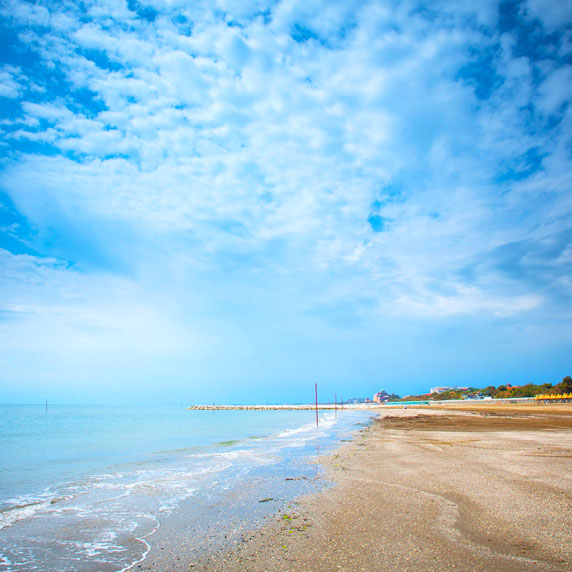
Although popular imagination ties Venice strictly to canals and gondolas, the coastline of its outer islands and surroundings offers great summer retreats along the Adriatic Sea:
Lido di Venezia and Jesolo
The Lido is a long barrier island just minutes away by vaporetto from the city center, famous for its fine sand beaches and for hosting the prestigious Venice Film Festival. Jesolo, located about 30 km north of the city, boasts 15 km of golden sandy beaches and shallow waters perfect for families, with excellent infrastructure and nightlife.
Cavallino-Treporti
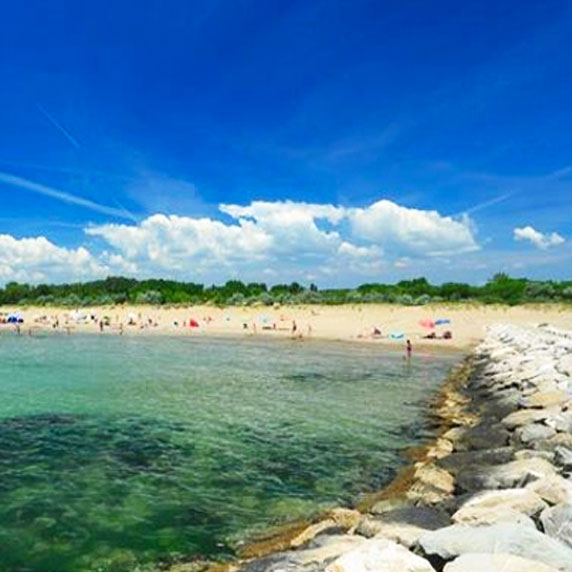
A natural peninsula east of Venice, defined by quiet beaches, untouched dunes, and a rustic, preserved setting. It is washed on one side by the calm waters of the lagoon and on the other by the Adriatic.
Sottomarina (Chioggia)
Located south of Venice, adjacent to Chioggia (known as "Little Venice"). It features a wide beach with very fine sand rich in minerals, and is famous for its spectacular fresh seafood cuisine caught right in the bay.
These coastal resorts complement the trip perfectly, combining culture and relaxation by the sea.
Unique Flavors of the Serenissima
Venetian cuisine reflects its lagoon geography and its historical role as a spice trade route between East and West. Traditional dishes emphasize maritime freshness paired with rich textures:
- "Risotto al Nero di Seppia": Creamy rice prepared with squid ink itself, delivering a striking black color and a pronounced marine flavor (€16.00 to €22.00).
- "Sarde in Saor": Fried sardines marinated in a sweet-and-sour glaze of caramelized onions, vinegar, raisins, and pine nuts (€12.00 to €16.00).
- "Baccalà Mantecato": Salted cod whipped vigorously with olive oil until it transforms into a velvety spread, served over polenta slices (€14.00 to €18.00).
- "Bigoli in Salsa": A thick regional pasta served with a savory, rich umami sauce made from melted onions and anchovies (€11.00 to €15.00).
- "Polenta e Schìe": Creamy polenta served with tiny, flavorful shrimp harvested right in the lagoon (€15.00 to €20.00).
- Venetian Tiramisù: The irresistible and iconic dessert made with savoiardi ladyfingers soaked in coffee and mascarpone cream, born in Veneto (€6.00 to €9.00).
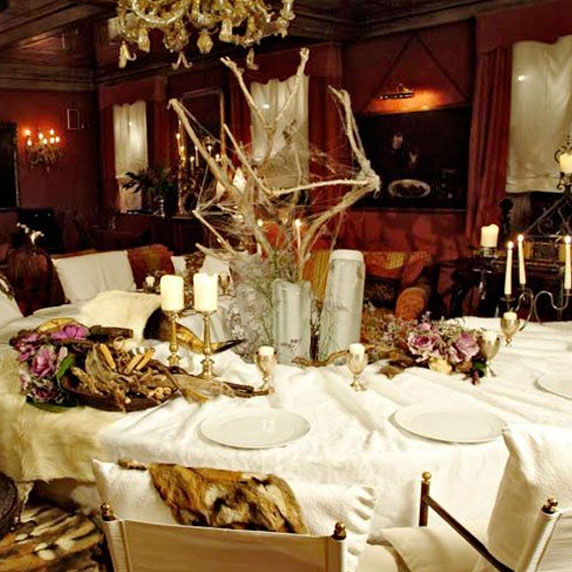
Venetian Dining: Where to Eat Within Your Budget
From traditional budget-friendly "bacari" for enjoying cicchetti to luxurious halls worthy of aristocracy.
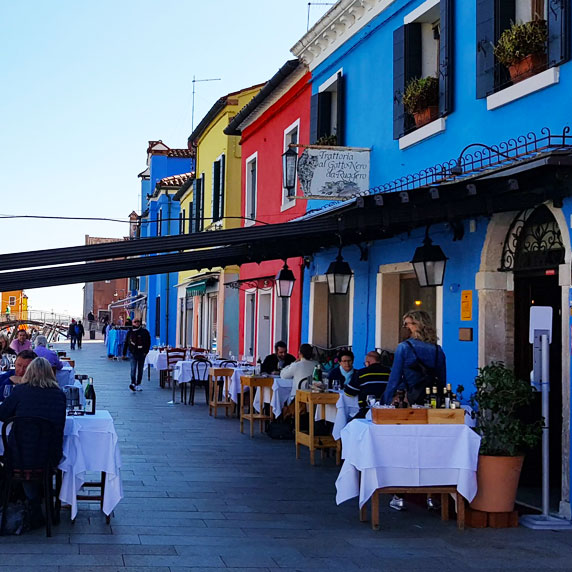
Block 1: Authentic & Budget-Friendly Spots
Welcoming spots perfect for tasting local flavor without stretching your budget.
-
Trattoria al Gatto Nero (Burano): Famous for its classic "risotto de gò" (made with local lagoon fish) and fresh catch of the day served with warm hospitality.
Average price per dish: €14.00 to €22.00. -
Osteria al Squero: Perfect for sampling authentic cicchetti (Venetian tapas) and quick sandwiches right across from a traditional gondola shipyard.
Average price per snack: €1.50 to €3.00. -
Antiche Carampane (Lunch Options): Generous homemade pasta and fish dishes in a relaxed, genuine atmosphere hidden along narrow alleys.
Average price per dish: €15.00 to €25.00. -
Pizza al Volo: The ideal pizzeria for a quick and super economical bite near lively Campo Santa Margherita, serving hearty, delicious slices.
Average price per slice: €2.50 to €4.00.
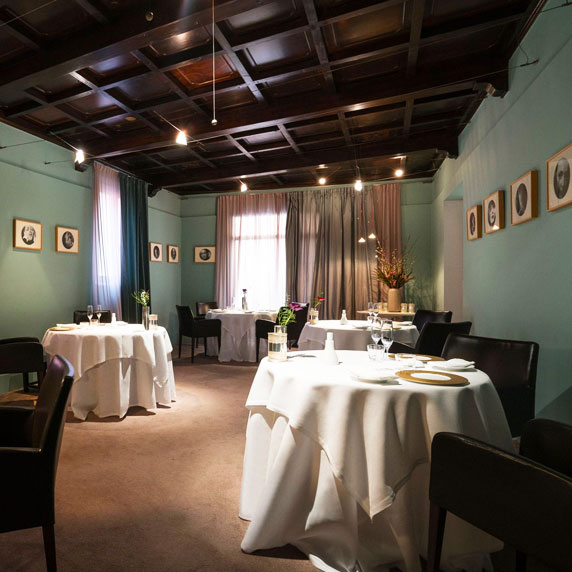
Block 2: Premium Experiences & Fine Dining
Sophisticated dining rooms and signature menus perfect for making dinners and special moments together unforgettable.
-
Ristorante Quadri: The pinnacle of elegance overlooking Piazza San Marco, featuring contemporary fine dining with a world-class tasting menu.
Average price per person: €120.00 to €200.00. -
Da Ivo: Intimate, charming, and romantic, popular among global celebrities for its spectacular dishes inspired by Adriatic flavors.
Average price per person: €90.00 to €150.00. -
Met Restaurant: Situated in Hotel Metropole under refined direction, combining cutting-edge innovation and traditional recipes for unique sensory experiences.
Average price per person: €100.00 to €160.00.
Insider Dining Tips for Venice
- Keep an eye out for the "coperto" (cover charge) fee, which ranges from €2.00 to €5.00 per person on restaurant bills.
- To save money and eat like a local, build your meals around cicchetti paired with a spritz.
- If you plan to dine at award-winning or Michelin-starred restaurants, make your reservation weeks in advance!
- *Special note:* Chef Massimo Bottura's famous 3-Michelin-starred Osteria Francescana is located in Modena (outside Venice), worth noting for broader Italy travel itineraries.
Charming Retreats: Where to Stay and Dream in Venice
Choosing the ideal location defines the magic of waking up surrounded by reflections on Venetian waters.
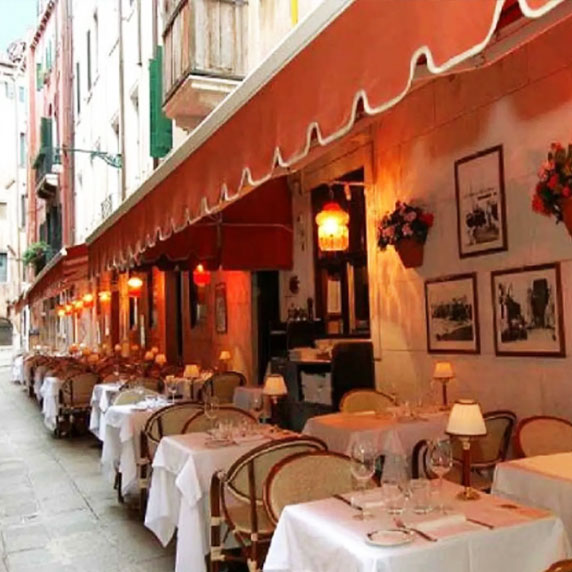
Area 1: The Historic Heart (San Marco and Castello)
Advantage: Stay steps away from the top landmarks and experience the main square deserted in the quiet of the night.
-
Hotel Danieli: Venice's most luxurious, legendary, and aristocratic hotel, occupying Gothic palaces with impressive imperial decor.
• Distance to attractions: Piazza San Marco (3 min walk), Bridge of Sighs (1 min walk).
• Deciding Factor: Perfect for purely luxurious stays and unforgettable celebrations. -
Hotel Bisanzio: A charming boutique property set in a remodeled historic building, offering great comfort with traditional Venetian touches.
• Distance to attractions: Doge's Palace (8 min walk).
• Deciding Factor: Excellent value for money for those who want a prime location. Discover more incredible options via Venice Hotels on Booking.com.
Area 2: Near the Train Station (Santa Croce and Cannaregio)
Advantage: Perfect logistics for those arriving with heavy luggage by train, avoiding having to cross dozens of bridges with stairs.
-
Hotel Antiche Figure: A charming hotel located directly across the Grand Canal, offering sumptuous rooms in classic Venetian style.
• Distance to attractions: Santa Lucia Train Station (3 min walk across the bridge).
• Deciding Factor: Impeccable logistical convenience for arrival and departure, without sacrificing canal views.
How to Get to Venice: Worldwide Connections
The floating city is very well connected by air, land, and water.
- By Plane (Airports): Marco Polo Airport (VCE) is the primary airport, located 12 km from the center. Treviso Airport (TSF) is 30 km away and serves budget airlines.
- By Train (Most convenient arrival): The Venezia Santa Lucia railway station is located right inside the historic city center. High-speed trains (Frecciarossa and Italo) connect Venice to Milan, Florence, and Rome in just a few hours.
- By Rental Car: Venice's historic center is completely car-free. If you choose to drive via highways, you will need to park your vehicle at lots at the city entrance, such as Tronchetto or Piazzale Roma (€25 to €30 per day), continuing on foot or by boat.
- By Boat: Boat services regularly connect Venice to other coastal towns and neighboring islands in Veneto, such as Chioggia.
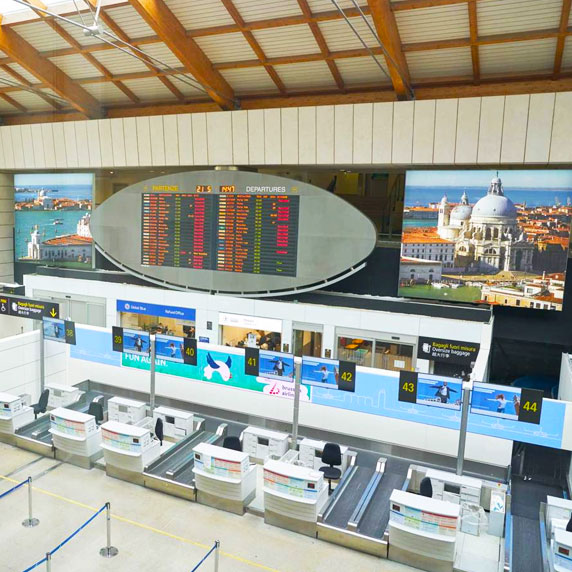
Transfer Options from Marco Polo Airport to Central Venice
Express Bus (ATVO / ACTV Line 5)
The ATVO express service connects the airport directly to Piazzale Roma in 20 minutes (€8 one-way ticket, or €6 if purchased online). The ACTV Line 5 covers the same route in 25-30 minutes with intermediate stops (€10 one-way, €18 round-trip). Once at Piazzale Roma, simply walk or hop on a vaporetto.
Vaporetto / Shared Water Bus (Alilaguna)
The Alilaguna water bus line offers a charming route over water directly from the airport to central points like San Marco, Rialto, and Lido (about 1h15m journey). Costs: €15 one-way or €27 round-trip. Available lines: Arancio (Rialto/San Marco), Blu (Lido/Murano), and Rossa.
Water Taxi (Motoscafi) or Private Transfer
Private water taxis (Motoscafi) are available right outside the airport terminal and take you to your hotel in 30-40 minutes. Fixed rate ranges from €120 to €150 for up to 4 people. Companies also offer transfers combining an executive car to the pier and a private boat to your final destination for similar rates.
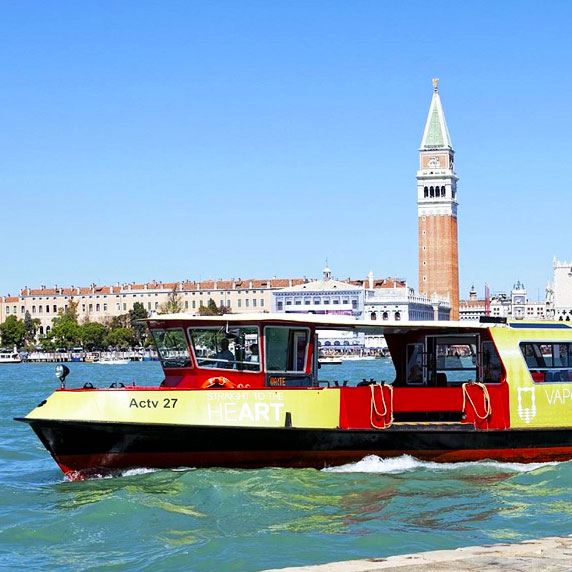
How to Get Around in Venice: Streets of Water
In a city entirely free of road traffic, shoe soles and water vessels set the pace of travel:
On Foot
The historic center is flat, compact, and tailor-made to be explored on foot. Getting lost among its bridges and narrow alleys is the best way to discover charming squares and hidden shops.
Cost: Free.
Vaporetto (Public Water Bus)
This is ACTV's official public transit system. Boats travel along the Grand Canal across several structured routes, efficiently connecting the center to the islands of Murano, Burano, and Lido.
Gondolas and Water Taxis
Water taxis are fast and customized for direct transfers with luggage, though priced higher. Meanwhile, a gondola ride is the most famous and traditional romantic experience in the city to admire the canals on a peaceful ride.
Optimized 1-Day Itinerary: The Essentials of Venice
A perfect itinerary if you only have one day to capture the romantic and monumental soul of Venice:
Morning: The Heart of the Serenissima (09:00 - 12:00)
Start early directly at Piazza San Marco. Visit the stunning St. Mark's Basilica to admire its Byzantine mosaics and go up the Campanile for the best panoramic view. Head over to the Doge's Palace, walking through the history of its lavish halls and catching sight of the dungeons through the Bridge of Sighs.
Traditional Lunch and Historic Cafe (12:30 - 14:30)
Wander a few alleys away from the square to avoid high tourist prices and enjoy lunch in a cozy osteria, tasting dishes like Bigoli in Salsa or a risotto. Afterwards, savor an espresso at an outdoor table at classic Caffè Florian while listening to lovely instrumental music.
Afternoon: Grand Canal Navigation and Rialto (15:00 - 18:30)
Board a vaporetto to travel the entire length of the Grand Canal, admiring the facades of ancient palaces. Disembark at the famous Rialto Bridge, explore its built-in shops, and take beautiful photos from the top of the bridge during the golden sunset.
Evening: Venetian Toast and Gondola
Cap off this dream day by booking a classic gondola ride through dark, quiet side canals, and conclude the night enjoying fresh fish at a canal-side restaurant lulled by the swaying waters.

2-Day Itinerary: Venetian Art and Lagoon Islands
Add depth to your journey by devoting a second day to immerse yourself in world-renowned art collections and artisan traditions across neighboring islands:
Day 1: Top Monuments and Classic Bridges
Dedicate your entire first day to experiencing the fantastic attractions described in the 1-Day Itinerary, covering San Marco, Doge's Palace, Rialto, and boat rides along the main canals.
Day 2: Immersive Culture and Colorful Lagoon
Morning: World-Class Art Museums (09:00 - 12:30)
Choose according to your preference: visit the monumental Gallerie dell'Accademia to admire masterpiece Renaissance paintings by Titian and Tintoretto, or explore the modern palace of the Peggy Guggenheim Collection showcasing innovative works by Picasso and Dalí.
Afternoon: Excursion to Murano and Burano (13:00 - 18:00)
Catch the vaporetto heading towards the outer islands. Make a stop in Murano to watch a live, impressive demonstration by a master glassmaker blowing incandescent crystal. Continue to photogenic Burano to enjoy a traditional risotto lunch at Trattoria al Gatto Nero and stroll among canals lined with vibrant, colorful houses.
Evening: Farewell at Santa Maria della Salute
Return to the center in the late afternoon and watch night fall from the steps of the beautiful Baroque Church of Santa Maria della Salute, ending your trip with a sophisticated premium dinner.
Venice as an Optimized Base to Explore Northern Italy
Venice's excellent geographical location within the Veneto rail network allows for unforgettable day trips.
1. Historic Cities (Padua, Vicenza, and Verona)
Just a short train ride away from Santa Lucia station lie fantastic medieval destinations. Verona, immortalized as the setting for 'Romeo and Juliet', features its beautifully preserved Roman Arena and a rich historic architectural heritage.
2. Premium Wine Regions (Valpolicella and Prosecco)
Veneto stands as one of Europe's premier wine capitals. It is easy to schedule day-trip tours to traditional wineries in Valpolicella to taste robust Amarone wine, or visit the breathtaking protected hills of Prosecco, the birthplace of Italian sparkling wine.
3. The Dolomite Mountains
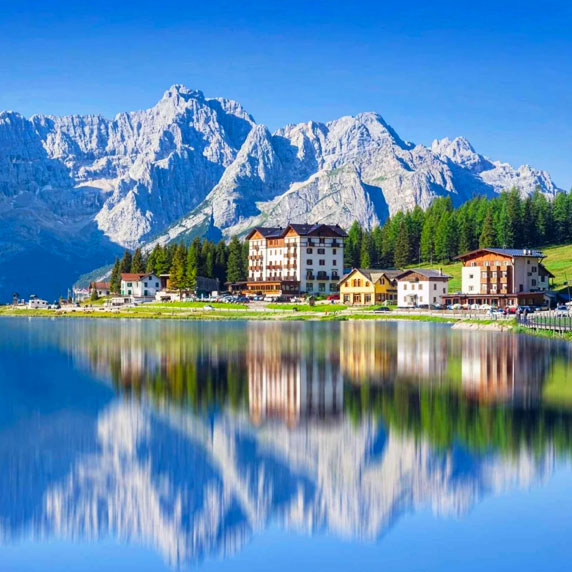
For ecotourism and mountain enthusiasts, the majestic limestone walls of the Dolomites are located just a few hours' drive from Venice, revealing alpine lakes and great winter sports slopes during cold months.
4. Lake Garda
The largest and most grand lake in all of Italy is located about two hours away. It is framed by crystal-clear blue waters and charming, flower-filled medieval villages along its shores, such as Sirmione and Malcesine.