
Salerno
The Smart Gateway to the Amalfi Coast and Southern Italy
Looking for a strategic, cheaper, and authentic base to explore the region? Salerno is the answer.
Many travelers make the mistake of ignoring Salerno, treating it merely as a train station. However, this port city combines excellent accommodation prices, impeccable cuisine without mass tourism inflation, and the best transport logistics to explore the entire neighboring coast.
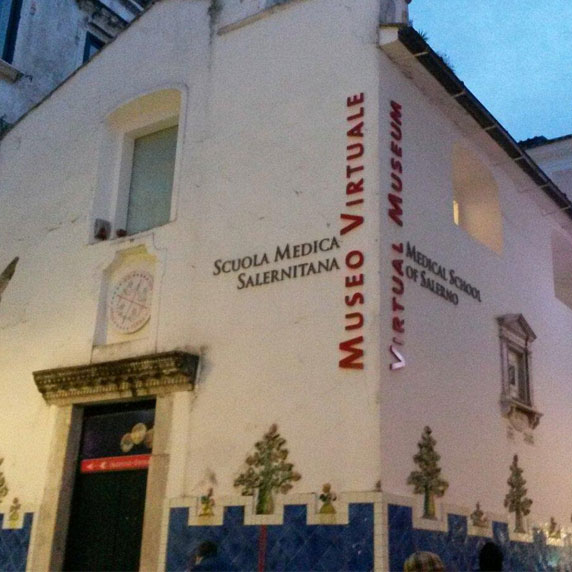
The History of Salerno: From Ancient Medicine to the Present Day
Unlike its neighbors that lived essentially on fishing and raw maritime trade, Salerno gained worldwide fame in the Middle Ages because of minds, not just boats. It was here that the *Schola Medica Salernitana* was born, considered the first medical university in the Western world, bringing together Greek, Arabic, Latin, and Jewish knowledge.
The city played a crucial role as an independent Lombard principality before falling into Norman hands in the 11th century. Robert Guiscard turned the city into his official capital, initiating a period of urban and cultural expansion that left deep marks on the architecture you see today while walking through the historic center.
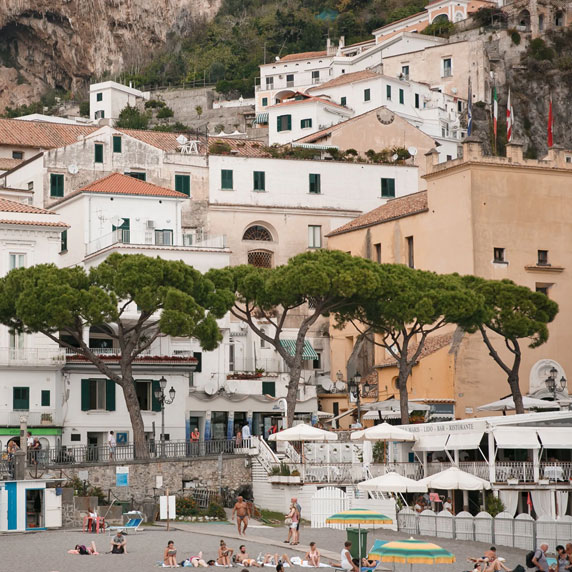
More recently, during World War II, Salerno once again became the center of global attention. In 1943, its beaches were the setting for *Operation Avalanche*, the Allied troop landing that changed the course of the conflict on the Italian peninsula. For a few months, the city even served as the temporary capital of the Italian government.
Today, Salerno does not live trapped in the past. It is a vibrant, real Italian city, where you hear the dialect in the streets and see locals in the cafes, without that feeling of being in a set created just for foreign tourists. It is the perfect place to understand real life in the south of the country.
Things to Do in Salerno: Attractions Worth Visiting
Although many people use the city only for sleeping, Salerno has surprising tourist sights hidden in its medieval streets. Set aside at least one day to see these attractions:
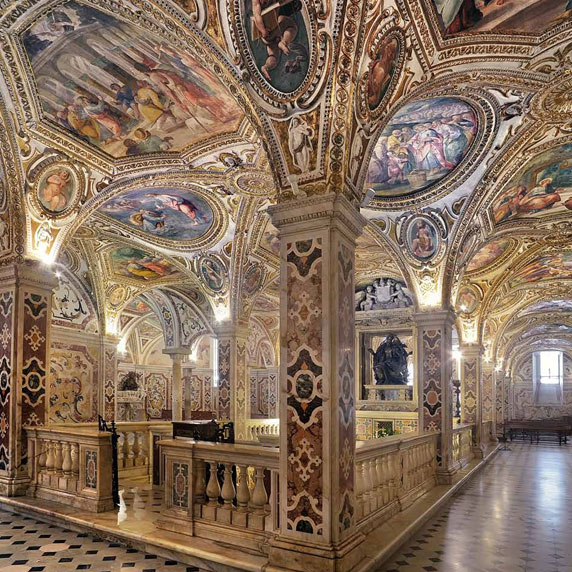
Duomo di Salerno (Cathedral of Saint Matthew)
Built in the 11th century, the cathedral is dedicated to the Apostle Saint Matthew, whose relics are kept in the impressive Baroque crypt underground — an absolute must-visit space due to the richness of its frescoes. The entrance courtyard of the church has a strong Islamic influence, with arches reminiscent of Moorish architecture, something rare in mainland Italy.
Lungomare Trieste (Salerno Waterfront)
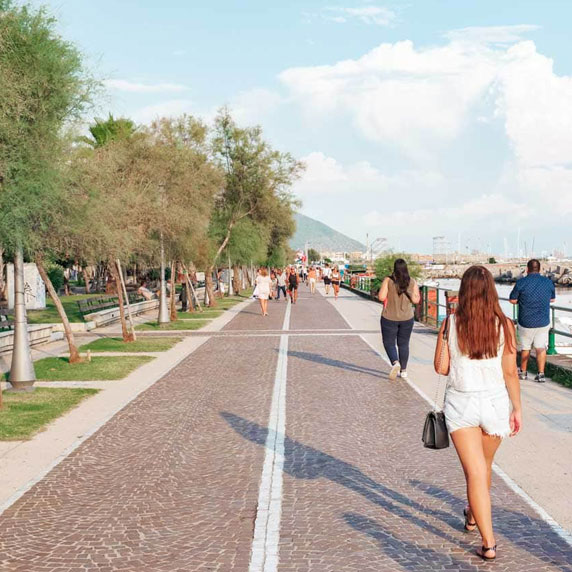
It is one of the most beautiful and well-maintained beach promenades in all of Italy. Stretching almost 2 kilometers and lined with palm trees, benches, and kiosks, it is where the city meets in the late afternoon for the traditional *passeggio*. Forget the rush: buy a gelato and walk looking at the sea.
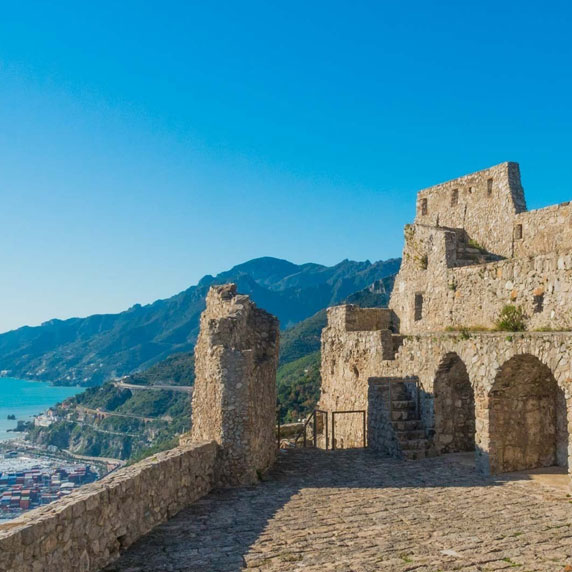
Castello di Arechi
Located at the top of Mount Bonadies, about 300 meters above sea level, this medieval castle offers the most stunning panoramic view of the city and the entire Gulf of Salerno. You can go up by local bus or taxi. Inside, there is a small museum featuring ceramics and ancient coins found during excavations of the fortress.
Centro Storico and Via dei Mercanti
The medieval heart of Salerno is a maze of narrow alleyways where cars cannot enter. The main artery is Via dei Mercanti, an active commercial street since the Middle Ages. It is the perfect place to get lost among craft product shops, old tailor shops, and small bars that come alive when night falls.
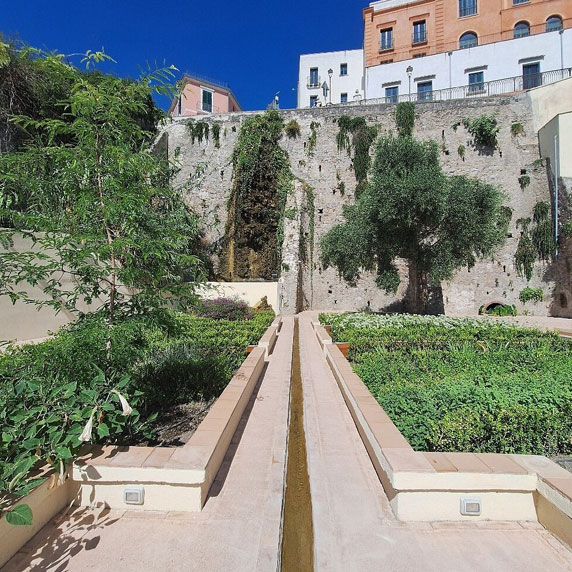
Giardino della Minerva
This is the oldest botanical garden in central Europe. It served as the living laboratory for the students of the Medical School, who cultivated therapeutic plants there to create medicines. Arranged across terraces with a smart medieval water system, the space features a charming cafe serving teas made from herbs harvested on site.
Eating Well in Salerno: The Paradise of Buffalo Mozzarella
If you like eating well without watching your restaurant bill explode, Salerno will win you over. The province is the homeland of authentic *Mozzarella di Bufala Campana DOP*, which means the cheeses here are incredibly fresh.
Dishes You Must Try
- Zizzona di Battipaglia: A giant buffalo mozzarella (weighing between 1kg and 5kg) in a fun shape that releases a lot of milk when cut. It is a local institution on Salerno dining tables.
- Milza Imbottita (Meusa): For the bravest stomachs, this is a historic dish consumed mainly during the patron saint's festival: beef spleen stuffed with mint, parsley, and chili pepper, cooked in wine and vinegar.
- Scialatielli with Seafood: Fresh, thick pasta tossed on the spot with squid, mussels, and clams caught the same day in the gulf.
- Pizza Salernitana: Different from the traditional Neapolitan version, local pizza usually has a slightly lower, crispier crust, often finished with drizzled local extra virgin olive oil after coming out of the wood-fired oven.
Where to Eat: Real Options in the City
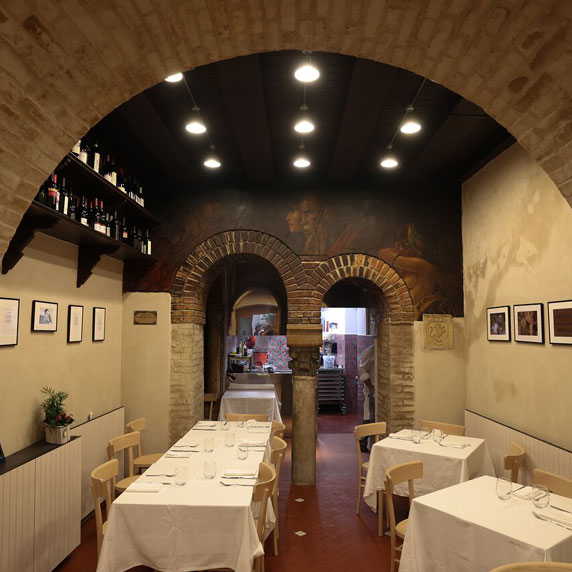
In Salerno, you can dine at an excellent trattoria paying half the price charged in the towns along the Amalfi Coast.
Good and Cheap Restaurants (up to €15-€20 per person)
- Pizzeria Carminuccio a Mariconda: Legendary in the city. Don't expect luxury; it is a rustic neighborhood pizzeria that has been serving one of the most famous and affordable pizzas in the region since the 80s.
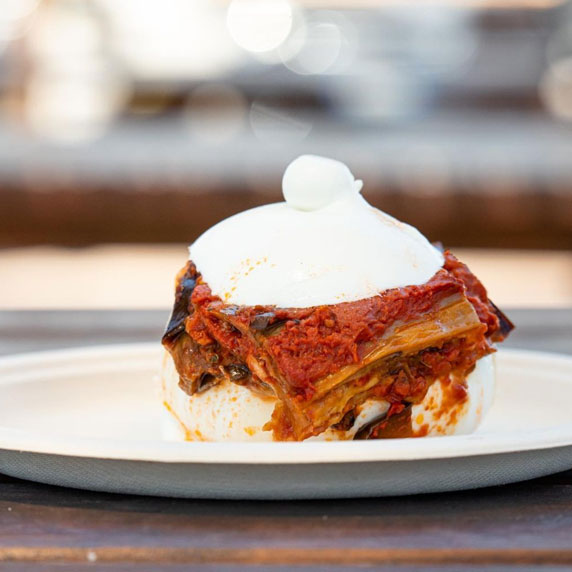
- Vicolo della Neve: Located in the heart of the historic center, it has been serving typical Salerno food for decades. Perfect for eating homemade pasta and eggplant parmigiana for unbelievable prices.
- Criscemunne: Great place in the old center to grab high-quality portions and pizzas with no fuss service.
Mid-Range (€25-€45 per person)
- Osteria Canali: A modern trattoria focusing on land and sea dishes with selected local ingredients. Booking a table on weekends is essential.
- Ristorante Cicirinella: Hidden in medieval alleyways, it is famous for warm service and traditional dishes revisited with flawless presentation.
- Pescheria: A brilliant cross between a fishmonger and a restaurant. You select fresh fish and seafood directly from the counter, and they prepare it on the spot for you.
Gastronomic Experiences (€50+ per person)
- Re Maurì: Located right on the boundary between Salerno and Vietri sul Mare, this restaurant holds a Michelin star and delivers an unforgettable fine dining experience with sea views.
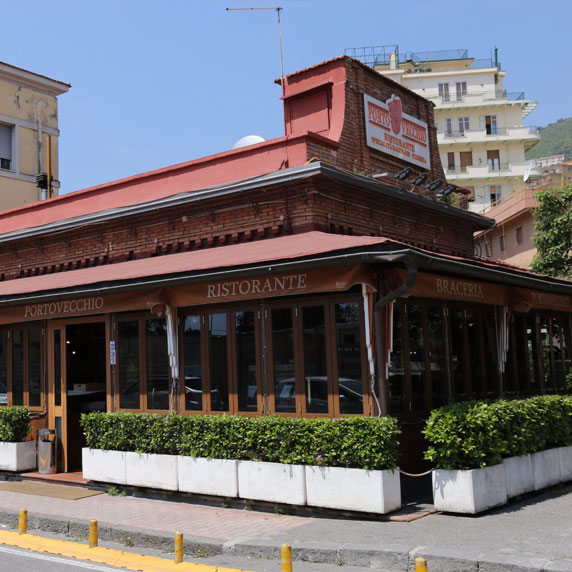
- Ristorante Porto Vecchio: Sophisticated dishes focused exclusively on the best from the region's fine fish market, accompanied by an excellent Campania white wine list.
How to Get to Salerno: The Ease of Railway Lines
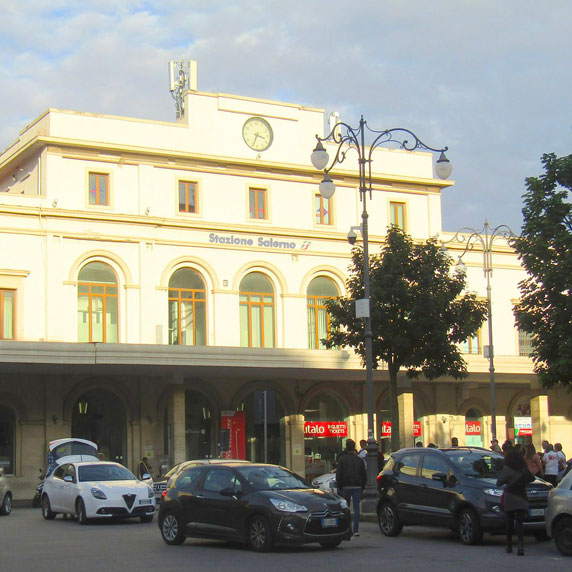
Unlike the towns on the Amalfi Coast, reaching Salerno is ridiculously simple. The city is on Italy's main high-speed train network, eliminating the need for logistical juggling with heavy luggage.
From Rome
The trip from Rome to Salerno is direct and comfortable, making it the best option for those landing in the Italian capital:
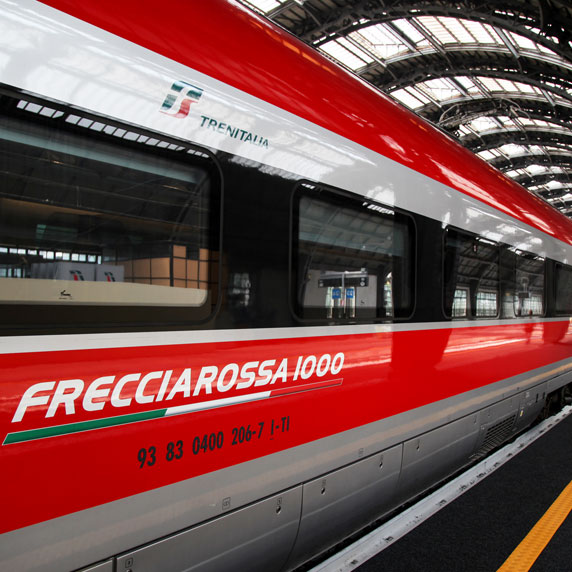
- High-Speed Train (Frecciarossa or Italo): The best value for money. The train leaves from Rome Termini and stops at Salerno Central Station in about 1h30 to 2h. If bought in advance, prices range between €20 and €45.
- Regional Train: A much slower option (around 3 hours of travel), but the price is fixed (around €17), helping last-minute travelers on a tight budget.
- Car: The journey via the A1/A30 highway takes about 2h30. Unlike the Amalfi Coast, driving and parking in Salerno is much calmer, featuring spacious underground parking lots near the port.
Arriving via Naples or International Flights
If you are coming from outside Italy, the best route is flying into Naples International Airport (NAP).
- Regional Train from Naples: From Napoli Centrale station, commuter and regional trains depart every 20 or 30 minutes bound for Salerno. Tickets cost less than €6 and the trip takes about 40 minutes.
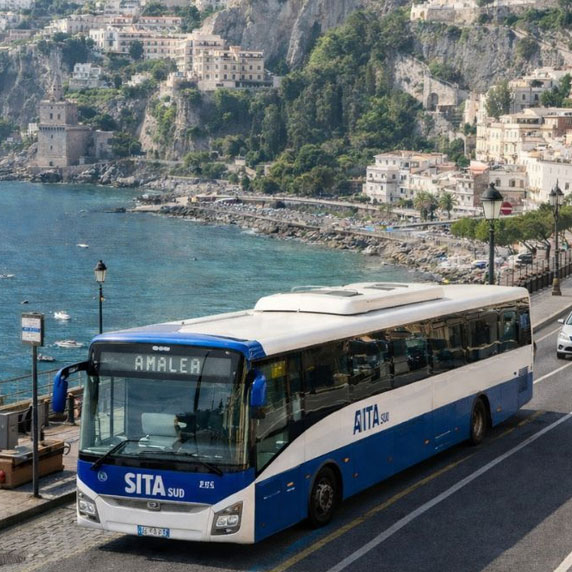
- Executive Bus (SITA/Currera Bus): Direct lines link Naples airport to central Salerno at very budget-friendly rates, without requiring a transfer at the central station.
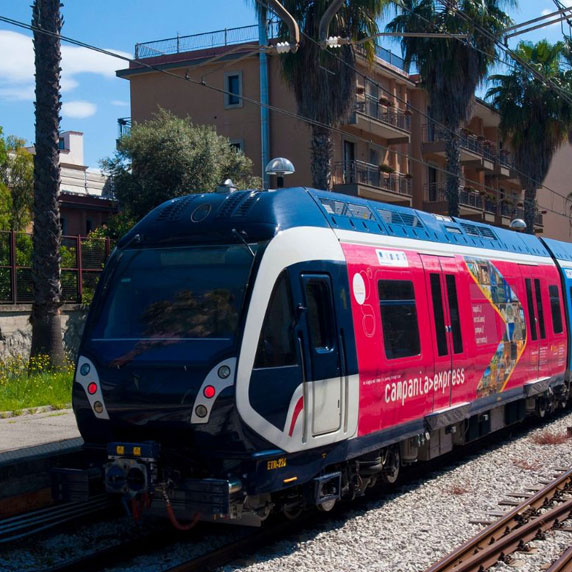
Transport Costs Summary to Salerno
| Origin | Transport Type | Average Price (per person) |
|---|---|---|
| From Rome | High-Speed Train (Italo/Freccia) | €20 - €50 |
| Regional Train | €17 (Fixed) | |
| From Naples | Standard Regional Train | €5.50 |
| Direct Shuttle Bus | €8 - €12 |
How to Get Around Salerno and Use the City as a Base
Salerno is flat across most of its central urban area, making life much easier compared to the endless steps of Positano or Amalfi. Here, walking solves almost everything within the city, and boats take care of day trips.
On Foot
The area of interest to travelers (from the train station to the historic center, including the promenade) can be comfortably covered entirely on foot. It is a very pleasant city to walk in since it lacks the steep terrain typical of the coastal area.
Public Bus (SITA Sud)
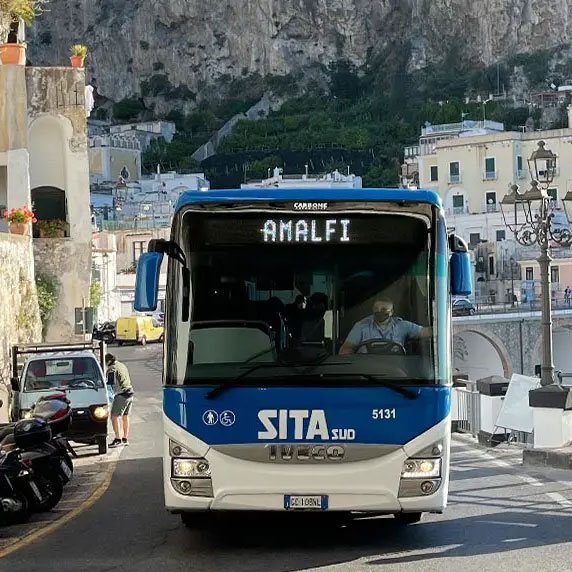
The bus terminal is near the train station. SITA buses connect Salerno directly to Vietri sul Mare, Maiori, Minori, and Amalfi.
- Advantages: Runs year-round (even in winter when boats stop) and costs very little (tickets between €1.50 and €3.00).
- Disadvantages: In the summer season, coastal road traffic grounds to a complete halt. A bus ride that should take 1 hour can take over 2 hours.
Ferries (Molo Manfredi and Piazza della Concordia)
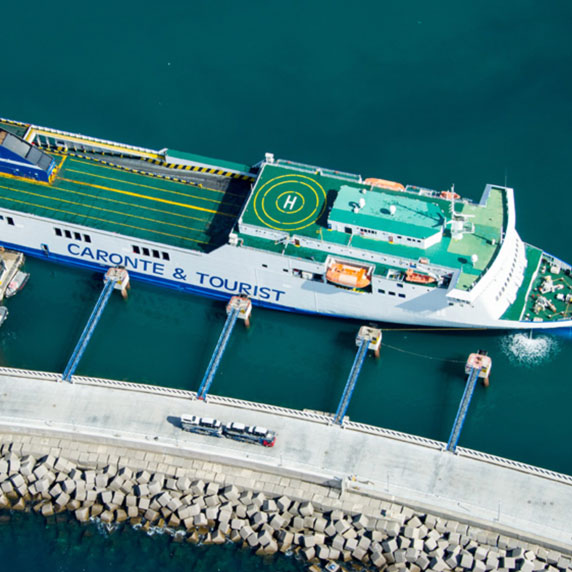
This is the main reason why Salerno is the best travel base. From April to October, large, comfortable ferry boats depart directly to Amalfi, Positano, and the island of Capri.
- Advantages: You travel traffic-free, with sea breeze in your face and enjoying the best views of the coastal villages from the water. Boarding is highly organized.
- Disadvantages: Costs more than the bus (between €10 and €18 each way) and routes are suspended if the sea is too rough.
Driving in Salerno
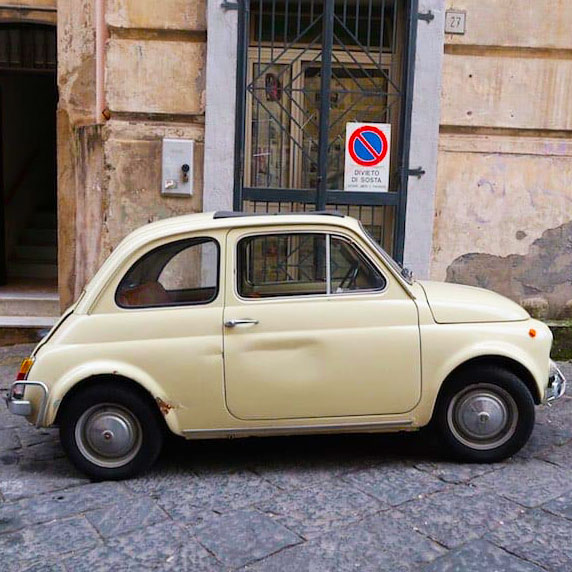
If you plan to visit the Greek temples of Paestum (located nearby to the south) or the ruins of Pompeii, renting a car in Salerno is an excellent idea. The city has great rental offices near the station and urban traffic flows smoothly.
**Golden tip:** Leave your car parked in Salerno on the days you visit the Amalfi Coast. Driving along the coast means spending fortunes on private parking (€5 to €8 per hour) and dealing with the frustration of squeezing past local buses on tight cliffside turns.