
Complete Guide to Ravello on the Amalfi Coast
You know that place that looks like it was hand-drawn by someone on a day of pure inspiration? That's Ravello!
While the rest of the Amalfi Coast buzzes down below, with the noise of boats and the hustle of the beaches, Ravello floats up high in the mountains, as if guarding a secret. It is a haven of silence, gardens that seem to float above the sea, and a light that instantly makes you understand why so many artists and composers fell in love with it. If you want to experience the Italy of your dreams, but with the peace of being above the clouds, sit back and let me tell you how to plan the perfect trip there.
How it all began: A story of pride and rivalry
Let me tell you how this small town was born, because the story is worthy of a TV series. Back in the 5th century, when the Roman Empire was crumbling and barbarians decided to invade everything, a group of people decided to head up the mountains to hide and protect themselves. They found this strategic hilltop and began to settle there.
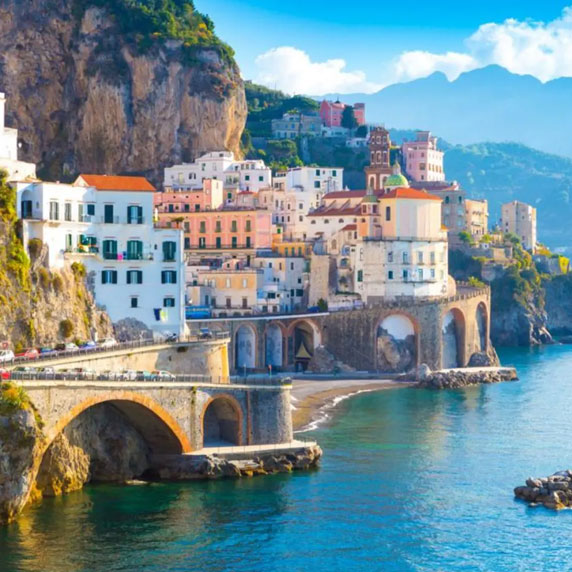
However, Ravello's big boom happened out of pure spite and pride. In the 9th century, neighboring Amalfi was a maritime superpower, extremely wealthy and full of itself. But some of the wealthiest and most influential families in Amalfi grew tired of bowing to the government there. What did they do? They took their fortunes, went up the mountain, and founded Ravello to show they could be even richer, nobler, and more powerful than Amalfi.
They built jaw-dropping palaces, monumental churches, and became major merchants of wool and silk. Of course, centuries later, the Pisans invaded and plundered the city, which reduced its economic power, but the beauty and nobility of those families remained immortalized in the city's stones. Ravello was born out of the search for freedom and the top of the world, and you can still feel that aristocratic atmosphere walking around today.
The best time to visit: The secret lies in the shoulder months
If you ask me when the perfect time to set foot in Ravello is, I'll give you a friendly piece of advice: avoid the peak of summer (July and August). In those months, the entire Coast turns into an anthill, prices skyrocket into the stratosphere, and the intense heat above 35°C makes walking up the city quite tiring.
The real insider trick is to go in spring (May and early June) or autumn (September and October).
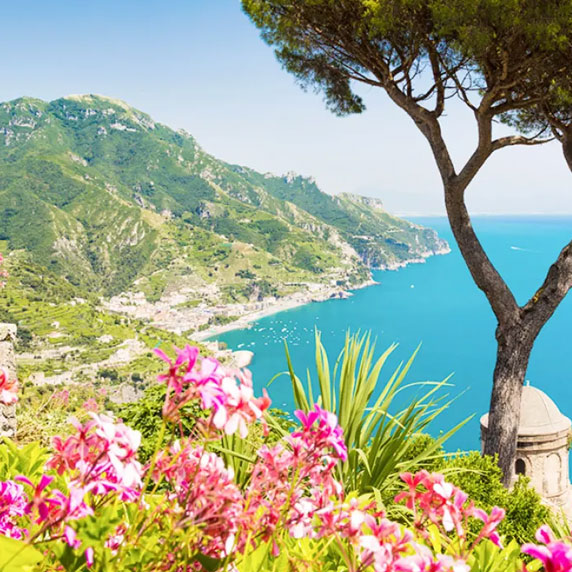
May: The city is bursting with flowers, wisteria covers the stone walls, and the scent of Amalfi lemons is in the air. The days are long and temperatures are delightful, around 22°C to 25°C.
September: The sea below is still warm from the summer, but the crowds have left. The pace slows down, and you can walk through the narrow alleyways listening only to the sound of your own footsteps.
Golden tip: If you can visit between late June and August, the advantage is the Ravello Festival, an absurdly beautiful classical music event. But prepare your wallet and your patience for the tourist rush.
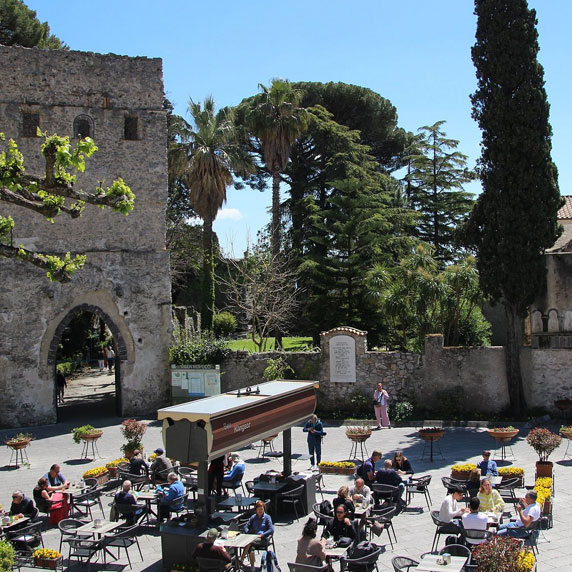
Why is Ravello a simply unmissable destination?
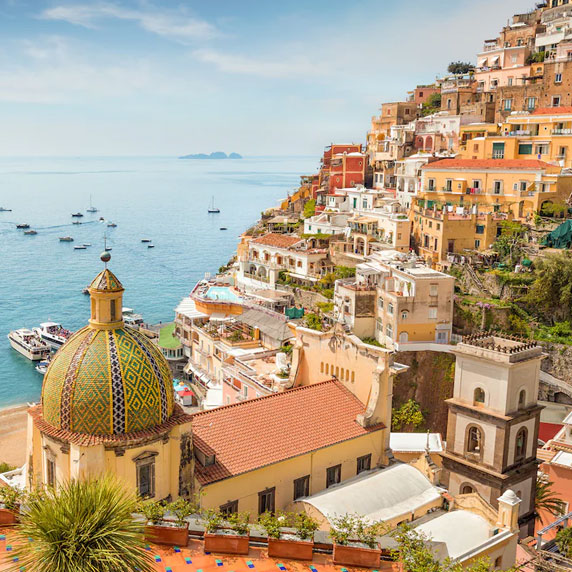
I'll be completely honest with you: Positano has the charm of colorful houses on the hillside and Amalfi has the grandeur of its cathedral, but Ravello has the soul of the Coast. It isn't a town for ticking tourist attractions off a list; it's a place to learn the Italian art of il dolce far niente (the sweetness of doing nothing).
It's unmissable because it gives you a panoramic and spiritual perspective of the region that no other city can. While heavy traffic flows on the main road down below, car traffic is banned in Ravello's historic center. It's a pedestrian destination, filled with silence broken only by church bells and classical piano rehearsals echoing through open windows. Visiting Ravello is like taking a deep breath after a busy day. If you go to the Amalfi Coast and don't head up there, you've only seen half the story.
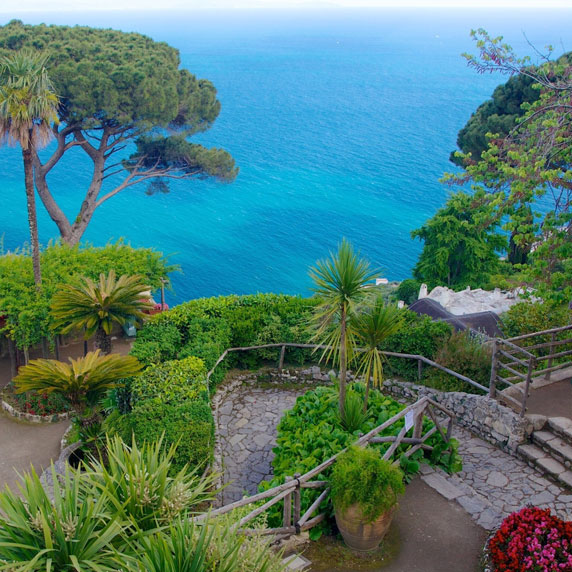
What you shouldn't miss while you're there
Get your legs and your phone battery ready, because every corner here is picture-perfect. But there are two places that are the heart of Ravello:
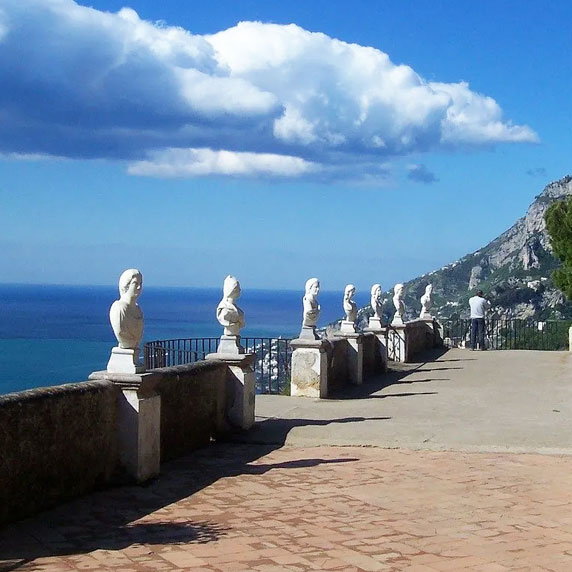
- Villa Cimbrone: Just walking there is already a beautiful stroll. When you enter the gardens, it feels like you've been transported into a period movie. The highlight is the Terrazza dell'Infinito (Terrace of Infinity). It is a parapet adorned with marble busts sitting on the edge of a vertical cliff. Looking forward, the blue of the sky and sea blend together so seamlessly that you lose sense of the horizon. It's so beautiful it gives you a good kind of dizziness. Tip: Go in the late afternoon to catch the sunset from there; it is unforgettable.
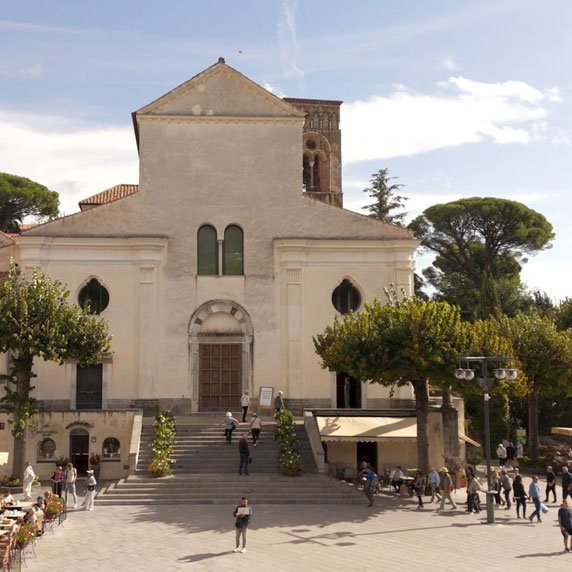
- Villa Rufolo: Located right in the main square (Piazza Duomo). It is a medieval palace blended with Moorish architecture. Its tiered gardens are world-famous because they inspired composer Richard Wagner to design the set for one of his most famous operas. During the summer, they set up a stage that is literally suspended over the sea for concerts. It gives you chills.
- The Duomo (Ravello Cathedral): Located in the central square. It looks simple on the outside, but step inside to see the mosaics on the pulpits, which feature Byzantine mosaic details depicting whales and dragons. It's a live lesson in art history.
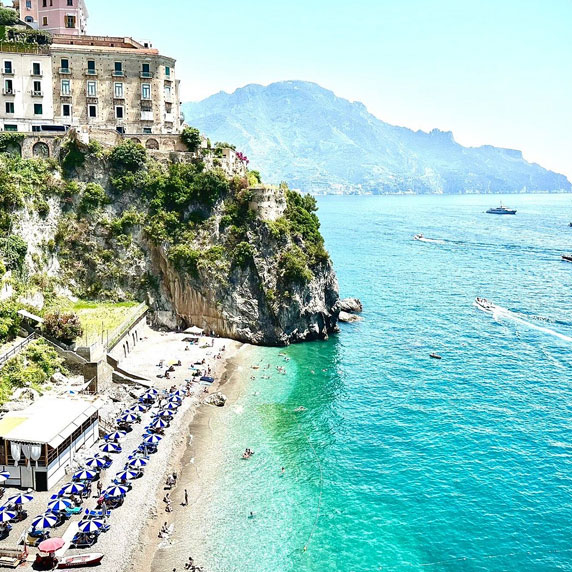
What about the beaches?
Hold on, there's an important detail...
Here's a realistic reality check: Ravello has no beach. It sits at the top of the mountain, about 350 meters above sea level. But don't be discouraged, because the neighborhoods or towns right below serve as its coastal area.
If you want to catch some sun, the best option is to head down to the small town of Castiglione, located right beneath Ravello.
Castiglione Beach: It's a tiny beach surrounded by tall cliffs, giving it a delightful sense of isolation. Since the rocks are tall, the sun leaves earlier there (around 4 PM), so plan to go in the morning.
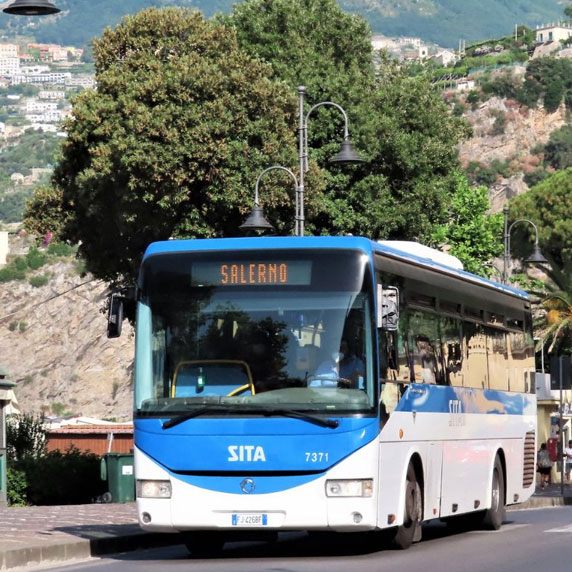
Practical tip: To get there, you can catch a local bus (SITA) going down the mountain or, if you have the fitness of an athlete, walk down an ancient staircase that cuts through lemon groves. There are hundreds of steps — going down is lovely and poetic, but don't even think about walking back up under the sun! Take a bus or taxi to return.
The taste of Ravello: What to eat there.
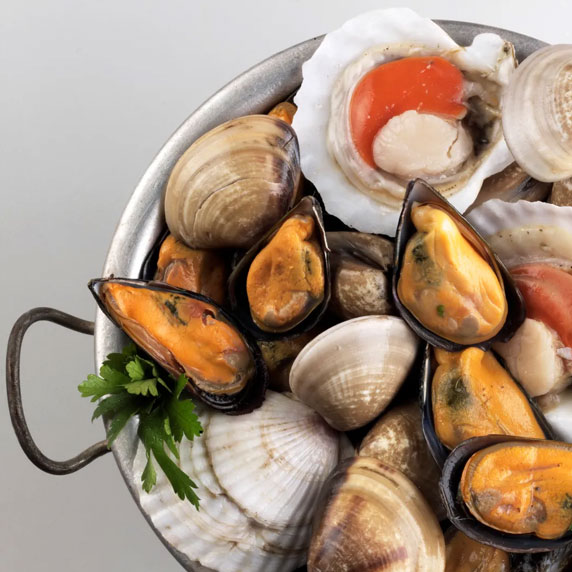
The gastronomy here is a celebration of land and sea. Forget heavy Italian food loaded with thick red sauces; in Ravello, everything is incredibly fresh.
- Scialatielli ai Frutti di Mare: The main dish of the region. Scialatielli is a fresh, thicker, and shorter pasta than spaghetti, usually made with a touch of basil and cheese right in the dough. It comes tossed in a light sauce of local cherry tomatoes, clams (vongole), mussels, and shrimp.
- Colatura di Alici: A fermented anchovy extract typical of the neighboring village of Cetara. It sounds exotic, but they use a few drops to season simple spaghetti with garlic, oil, and chili pepper. The flavor is an explosion of umami, the pure taste of the Mediterranean.
- Delizia al Limone: For dessert, don't order anything else. It's a light, spongy cake filled and covered with a velvety cream made from Amalfi lemons harvested on the town's hillsides. It is perfectly sweet and citrusy. And of course, finish with a shot of ice-cold Limoncello produced right there.
Where to dine: From local secrets to starry luxury
Ravello caters to every budget, from those looking for an informal dinner to those celebrating a major occasion.
To eat well without breaking the bank (More affordable)
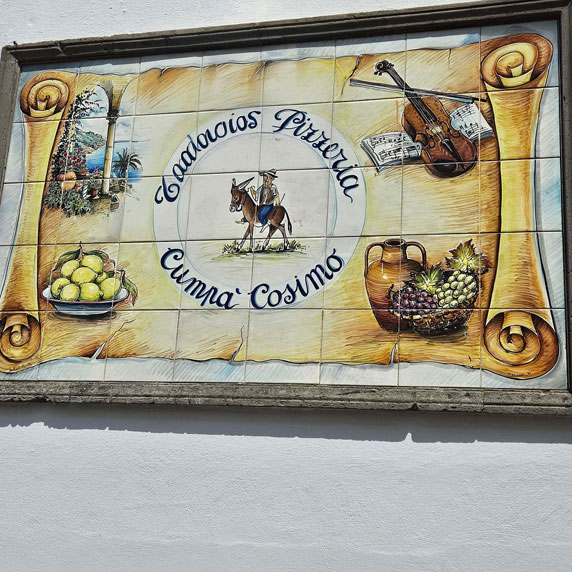
- Trattoria da Cumpà Cosimo: A local institution. It is run by Netta, a delightful lady who treats everyone like her grandchild. The food is very homestyle. Order the piatto misto di primi, where she brings five different types of pasta for you to try. A hearty dinner with house wine usually costs around €25 to €35 per person.
- Pizzeria Duomo: Located right in the main square. Great for an individual Neapolitan-style pizza in the evening or a panino for lunch. The atmosphere is simple, quick, and you'll spend about €12 to €15 for a delicious meal while people-watching in the square.
For an unforgettable night (More upscale)
- Rossellinis (at Hotel Palazzo Avino): Boasts a Michelin star and is set in a 12th-century palace. The tables sit on a terrace with one of the most surreal views on the Coast. The tasting menu explores Campania cuisine with ultra-modern techniques. Expect to spend from €150 to €200+ per person, but it is an artistic experience.
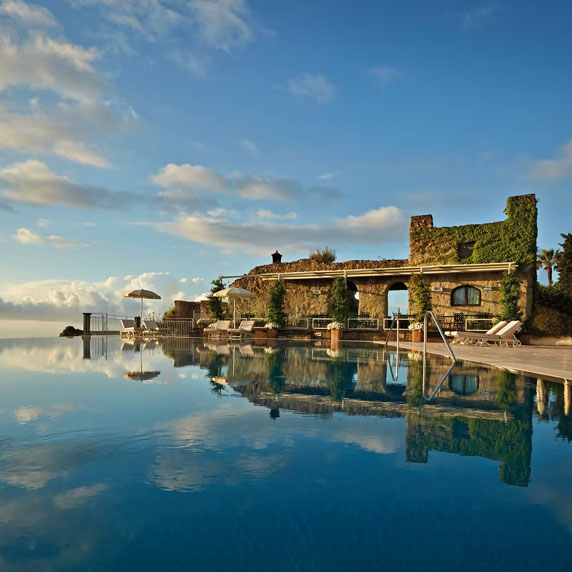
- Belmond Hotel Caruso Restaurant: Dining here feels like being part of high European aristocracy. If you don't want to commit to a full dinner, visit the hotel bar at sunset for a drink beside the famous infinity pool that seems to merge into the sea.

The roadmap: How to get there?
Leaving Brazil and reaching the mountaintop of Ravello requires a bit of logistics, but the journey is part of the experience. Here is the best route:
Step 1: Leaving Brazil: You'll catch a flight from Brazil (São Paulo or Rio) bound for Rome (Fiumicino) or Milan. The best option is usually flying direct to Rome with ITA Airways or connecting via European capitals like Lisbon (TAP), Madrid (Air Europa/Iberia), or Paris (Air France).
Approximate prices: Round-trip economy tickets from Brazil to Europe usually range between R$ 4,500 and R$ 7,500, depending on booking advance and season.
Step 2: The European connection to the nearest airport: The closest major airport to Ravello is Naples (Capodichino). If you bought a direct flight to Rome, you can take a high-speed train (Frecciarossa) from Rome Termini station to Naples (takes only 1h10 and costs between €20 and €50). If you prefer to fly straight to Naples from another European hub on a connection, airlines like EasyJet, Ryanair, or Lufthansa operate this route for €40 to €120.
Reaching central Ravello from Naples Airport
Once landed in Naples, you have three ways to head up to Ravello:
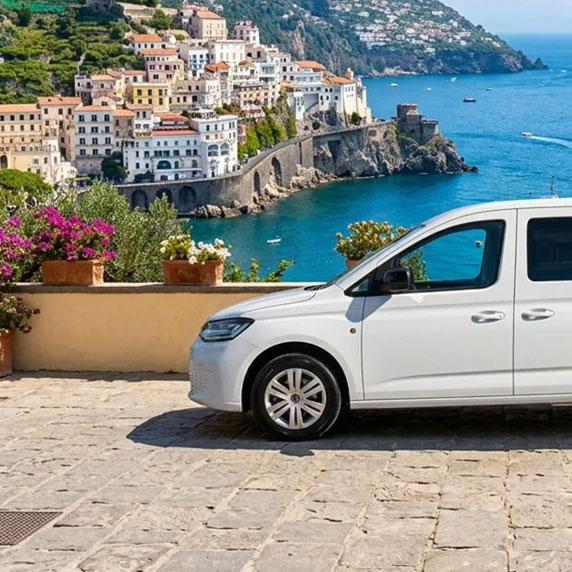
The comfortable option (Private Transfer / Taxi): A driver picks you up at the airport and drops you off right at your hotel in Ravello (around a 1h20 drive). It's the best option if you have heavy luggage, as the road has many sharp turns.
Price: Ranges between €120 and €160 per car.
The scenic and budget option (Train + Boat + Bus): Take a train from Naples to Salerno (€6, about 40 mins). In Salerno, walk to the port and board a traghetto (ferry) to Amalfi (€10, a beautiful trip admiring the cliffs from the water). Upon landing in Amalfi, right in front of the port is the stop for the SITA bus line that heads up to Ravello (€1.50, about 30 minutes winding up the mountain).
Total price: Around €18 per person. It takes a bit more effort with bags, but visually it's unbeatable.
How to get around and costs
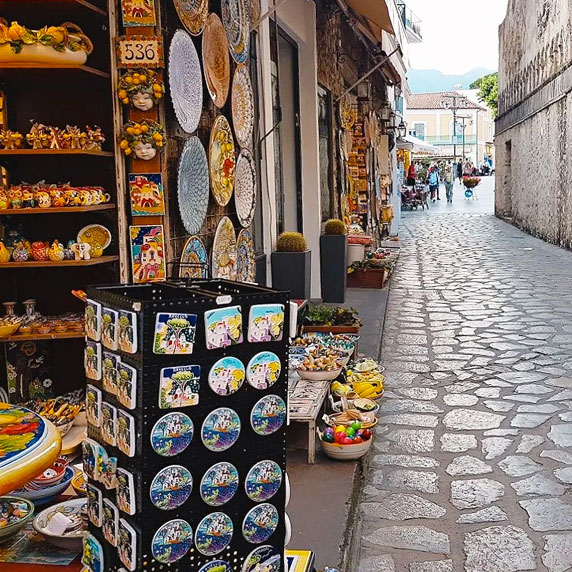
Within Ravello, the golden rule is: use your feet. The historic center is tiny, medieval, and completely closed off to non-resident vehicles. All you need to do is walk, climb steps, and enjoy the charming lanes.
If you need to leave Ravello to explore the region, your options are:
SITA Bus: The official public transportation connecting Ravello to Amalfi. It runs roughly every 45 minutes. It's very cheap, costing about €1.50 per ticket each way. Tip: Buy tickets in advance at the tobacconists (Tabacchi) in the main square, as drivers do not sell tickets onboard.
Local Taxi: The white minivans parked in Ravello's square are convenient, but prepare your wallet. A short ride from Ravello down to Amalfi (15-20 minute descent) won't run under €40 to €50. They charge a premium because navigating the roads requires high skill.
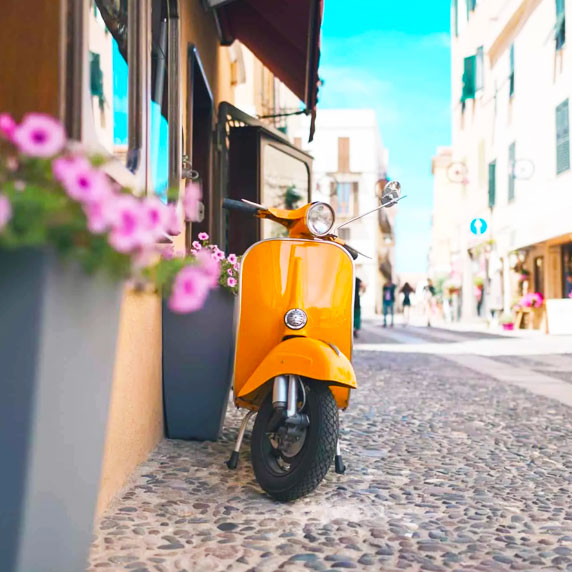
Scooter Rental: If you have experience riding motorcycles on narrow, winding roads, renting a scooter in Amalfi or Ravello gives ultimate freedom. Costs around €45 to €60 per day. But caution: hairpin turns are tight and local buses pass very close, so only do this if you feel extremely confident on two wheels.
Ravello as your strategic base on the Amalfi Coast
Many tourists make the mistake of spending just two hours in Ravello before leaving. If you use it as your base for sleeping and experiencing the region, your trip elevates to another level.
Staying overnight up top means that after 6 PM, when tour buses depart, the town becomes exclusively yours. You can dine at leisure, stroll through quiet piazzas, and escape the overwhelming rush of coastal towns below.
From Ravello, your logistics for exploring the rest of the region work seamlessly: you reach Amalfi in 20 minutes down the hill. From there, you're at the central hub of regional transport.
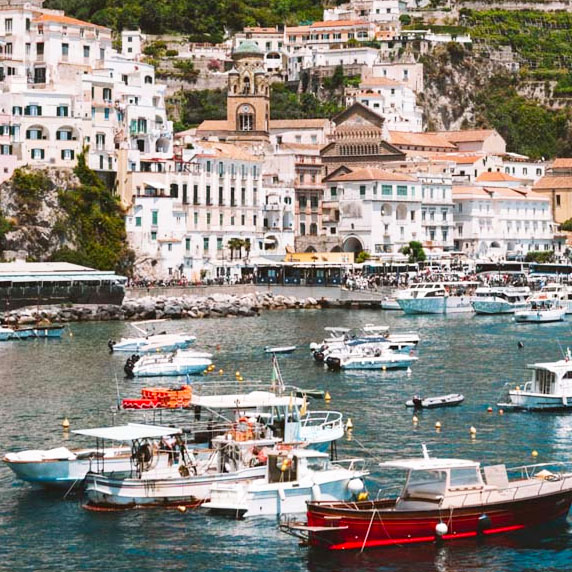
From Amalfi harbor, catch ferries to Positano (20 min), the island of Capri (50 min), or hidden beaches around the area.
At the end of the day, while everyone else is packed in traffic or midday heat down below, you return up to your cool mountain retreat, sip wine watching coastal lights flicker below, and fall asleep to peaceful silence. It really is the absolute best way to experience this corner of paradise.