
Rome
The Capital of Italy is an Open-Air Museum!
Rome: A Journey Through Time and Beauty
Rome, the "Eternal City", is a tourist destination that captivates travelers from all over the world with its unique combination of ancient history, dazzling art, authentic gastronomy, and a vibrant atmosphere that blends the old and the modern. As the capital of Italy, Rome is an open-air museum where every street, square, and monument tells a story dating back more than two millennia. Rome is not just a city to visit; it is a city to feel, live, and keep in your heart. Come discover why the Eternal City continues to enchant generation after generation.
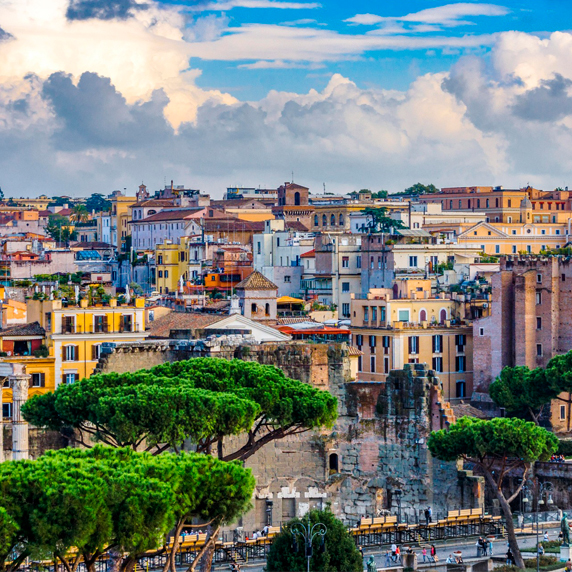
Living History and Legendary Origins
Walking through Rome is like traveling back in time. The city is the birthplace of one of the most influential civilizations in history: the Roman Empire. The founding of Rome is traditionally associated with the legend of twin brothers Romulus and Remus, sons of the god Mars and the mortal Rhea Silvia. Abandoned in the Tiber River, they were suckled by a she-wolf and raised by a shepherd. According to tradition, Romulus founded Rome on April 21, 753 BC, after killing Remus in a dispute over where to build the city.
Rome was founded in the Lazio region on the Italian Peninsula, near the Tiber River. Its location facilitated trade and defense. The region was already inhabited by peoples such as the Latins, Sabines, and Etruscans, who influenced Rome's culture and initial organization. The city was ruled by seven kings, with Romulus being the first. Subsequent kings, such as Numa Pompilius and Servius Tullius, contributed to the political and religious organization of the city.
Rome's last kings were of Etruscan origin, which brought urban and cultural advancements. Fall of the monarchy: In 509 BC, the last king, Tarquin the Proud, was deposed, marking the end of the monarchy and the beginning of the Republic. During the monarchical period, Rome began to expand its territory, conquering neighboring areas. The legend of Romulus and Remus served to legitimize Rome's power and create a national identity. The founding of Rome marked the beginning of a civilization that would become one of the greatest empires in history.
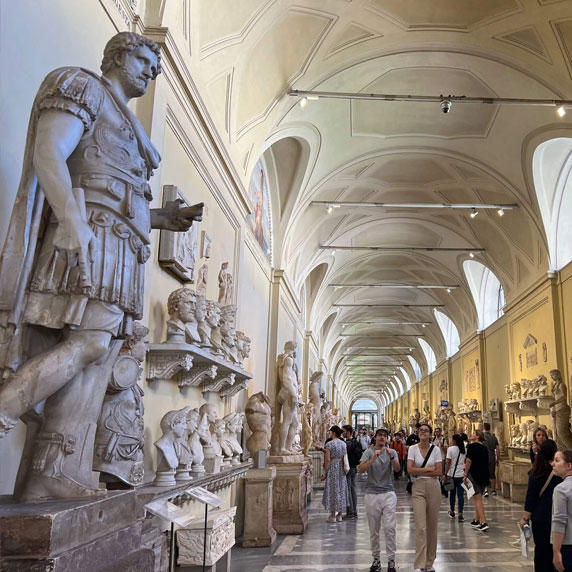
Art, Culture, and Enchanting Atmosphere
Rome is a true treasure trove for art lovers. The city is home to some of the most famous works in the world, such as the Sistine Chapel frescoes painted by Michelangelo, and Bernini's sculptures scattered throughout its squares and churches. Museums like the Vatican Museums and the Borghese Gallery offer a deep immersion into the city's artistic and cultural wealth.
In addition to its monuments and museums, Rome enchants with its unique atmosphere. Bustling squares like Piazza Navona and Piazza di Spagna are perfect for observing the daily life of Romans. Fountains, such as the Trevi Fountain, are mandatory stops to toss a coin and guarantee a return to the city. And, of course, there is nothing like ending the day with a night walk through the illuminated streets, appreciating the beauty of the city under the starry sky. Whether you are a history lover, an art enthusiast, a foodie, or simply someone looking for an unforgettable experience, Rome has something for everyone.
The Perfect Season: Best Time of Year to Visit Rome
Rome is a city that charms visitors all year round, but the best time to visit depends on your interests and preferences. If you seek pleasant weather, fewer crowds, and more affordable prices, spring (from March to May) and autumn (from September to October) are the ideal seasons.
During spring, the city comes alive with blooming flowers and mild temperatures, ranging between 15°C and 20°C. It is a perfect period to explore tourist spots without the intense summer heat. Furthermore, Easter in Rome is a unique experience, with religious celebrations and special events, although the city gets busier during this time. In autumn, Rome is enveloped in golden tones and a mild climate, with temperatures between 18°C and 25°C. It is an excellent time to walk through the historic streets and enjoy local gastronomy in open-air trattorias.
Summer (from June to August) is the high season in Rome, with hot days often exceeding 30°C and a large number of tourists. Although the weather is ideal for enjoying the city's fountains and squares, lines for popular attractions can be long, and accommodation prices tend to rise. On the other hand, winter (from December to February) is the quietest time to visit Rome. Temperatures range between 5°C and 15°C, and the city takes on a special charm with Christmas decorations and markets, making it a great opportunity to explore museums without crowds.
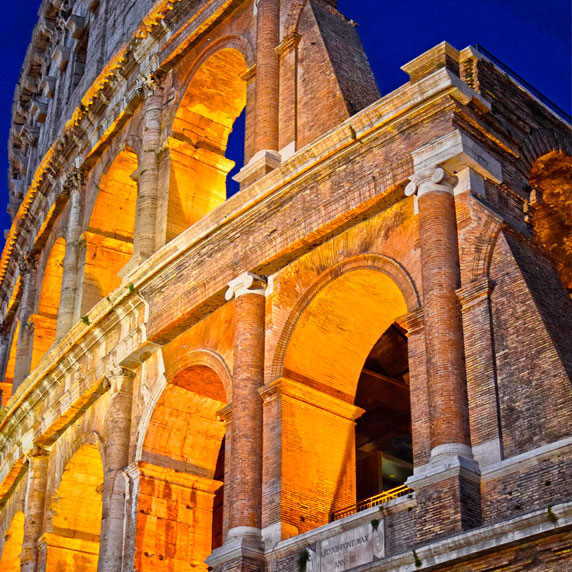
The Colosseum: An Eternal Symbol of Rome
Among its countless monuments and attractions, the Colosseum stands out as an absolute must-see destination for any visitor. This iconic amphitheater, originally known as the Flavian Amphitheatre, is not only the greatest symbol of Ancient Rome, but also one of the wonders of the modern world. Built in the 1st century AD, the Colosseum was the stage for grand spectacles, such as gladiatorial combat, wild animal hunts, and re-enactments of epic battles.
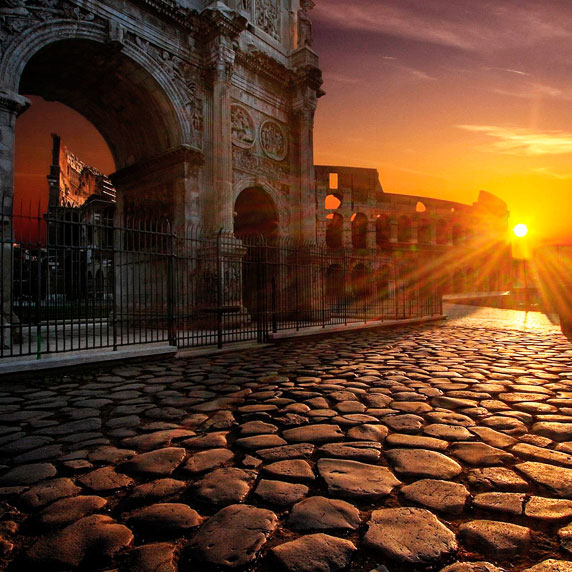
Its imposing architecture, with a capacity to hold over 50,000 spectators, is a testament to the power and ingenuity of the Roman Empire. Walking through its stands and arena is like stepping back in time and feeling the energy of a civilization that shaped the Western world. In addition to its historical grandeur, the Colosseum is a cultural landmark that has inspired artists, writers, and filmmakers over the centuries. Its majestic silhouette, especially illuminated at dusk, is a spectacle in itself, providing unforgettable moments for photographers and admirers of classic beauty.
Paths of Charm: The Main Tourist Attractions of Rome
Known as the "Eternal City", Rome is one of the most fascinating tourist destinations in the world. Here are the spots that define its essence:
Colosseum and Roman Forum
The Colosseum is Rome's most iconic symbol and one of the most recognized monuments in the world. Located right next door, the Roman Forum was the center of public life in Ancient Rome. Here, you can walk among the ruins of temples, basilicas, and arches that witnessed centuries of history, including speeches by great leaders like Julius Caesar and Cicero.
Pantheon
The Pantheon is one of the best-preserved buildings of Ancient Rome. Originally built as a temple dedicated to all gods, today it is a church and houses the tombs of important figures, such as King Vittorio Emanuele II and the artist Raphael. Its impressive dome and central oculus are wonders of Roman engineering.
Trevi Fountain
The Trevi Fountain is the largest and most famous fountain in Rome. This Baroque masterpiece, carved in marble, portrays the sea god Neptune surrounded by tritons and seahorses. Tradition says that tossing a coin into the fountain guarantees your return to Rome.
Vatican and St. Peter's Basilica
Although technically an independent country, the Vatican is in the heart of Rome. St. Peter's Basilica, the largest church in the world, houses masterpieces like Michelangelo's "Pietà" and its imposing dome. The Vatican Museums and the Sistine Chapel, featuring Michelangelo's frescoes, are also unmissable.
Piazza Navona and Spanish Steps
Piazza Navona is a perfect example of Roman Baroque style, known for its spectacular fountains like Bernini's Fountain of the Four Rivers. Meanwhile, the Scalinata di Trinità dei Monti (Spanish Steps) features 135 steps connecting the square to the church at the top, making it one of the most famous and romantic spots in Rome.
Villa Borghese
This vast park in the heart of Rome offers a tranquil retreat amid the hustle and bustle of the city. Inside, you will find the Borghese Gallery, which houses an impressive art collection, including works by Bernini, Caravaggio, and Raphael.
Castel Sant'Angelo
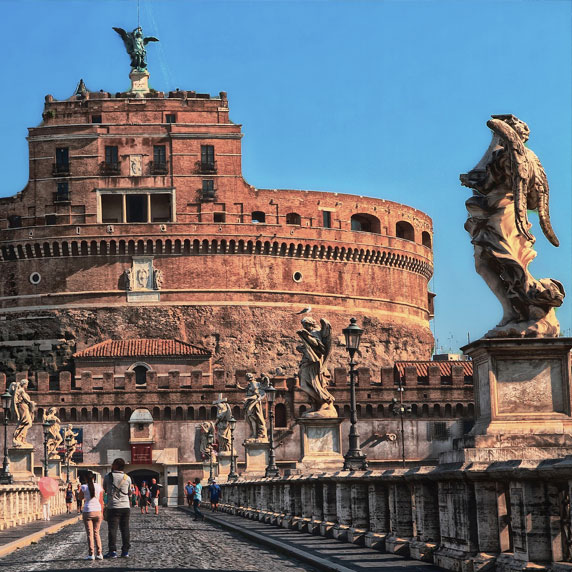
Originally built as a mausoleum for Emperor Hadrian, it was transformed into a fortress and papal residence. Today, it operates as a history-rich museum and offers beautiful panoramic views of the Tiber River.
Trastevere
This picturesque neighborhood, located on the west bank of the Tiber River, is known for its cobblestone streets, colorful houses, and authentic atmosphere. Trastevere is the ideal place to experience classic Roman cuisine in traditional trattorias.
Sun Refuges: Rome Has a Beach Too
Rome is located inland, about 30 kilometers from the Tyrrhenian Sea. Even so, Romans and tourists wishing to enjoy a day of sun and sea can find charming options near the city:
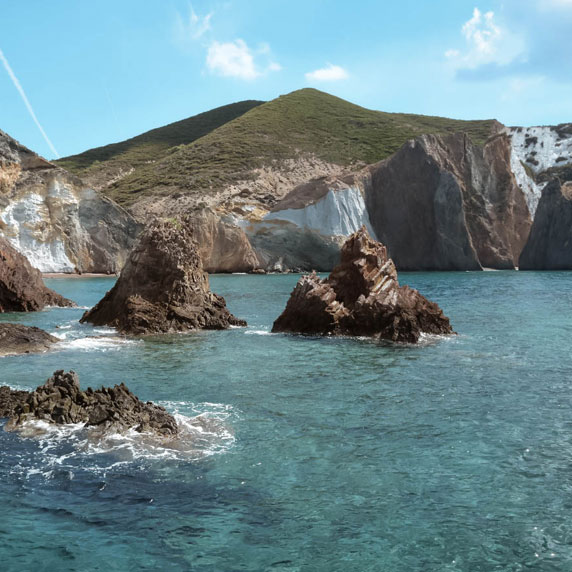
- Ostia (~25 km): The most accessible beach for those wishing to escape the city heat. It features a long stretch of sand and calm waters. It also houses the fantastic archaeological ruins of Ostia Antica.
- Fregene (~40 km): A very popular beach among locals, featuring a relaxed environment, golden sands, and great restaurants serving fresh seafood right by the sea.
- Santa Marinella (~60 km): A charming coastal town with a well-maintained beach and crystal-clear waters, ideal for a quieter, family-friendly environment.
- Anzio (~50 km): A coastal town with a rich history tied to World War II. Its clean beaches and variety of bars attract many bathers.
- Sabaudia and Sperlonga (~100 km to 120 km): Slightly more distant options that are well worth the trip for their turquoise-blue waters, protected dunes in the Circeo National Park (Sabaudia), and white sand beaches near Tiberius' Villa (Sperlonga).
Traditional Flavors of Roman Gastronomy
Roman cuisine is a celebration of Italy's simple and authentic flavors. Traditional dishes use few fresh, high-quality ingredients (12.00 EUR to 18.00 EUR for a pasta dish at local trattorias):
- Spaghetti alla Carbonara: Made with spaghetti, eggs, Pecorino Romano cheese, guanciale (or pancetta), and black pepper. A creamy sauce without using heavy cream!
- Bucatini all’Amatriciana: A full-bodied tomato sauce with crispy guanciale, Pecorino Romano cheese, and a slightly spicy touch of pepper.
- Cacio e Pepe: Proof that less is more. Just three exquisite ingredients: pasta, Pecorino Romano cheese, and freshly ground black pepper.
- Saltimbocca alla Romana: Thin slices of veal combined with cured ham (prosciutto) and fresh sage leaves, deliciously cooked in white wine and butter.
- Supplì and Roman Pizza: The former is the classic fried rice ball with a melted mozzarella heart (3.00 EUR). Roman pizza is distinguished by its iconic thin and crispy crust.
- Carciofi alla Romana and Trippa: Artichokes stuffed with garlic and mint slowly cooked in olive oil, plus traditional tripe in tomato sauce with mint.
- Maritozzo con la Panna: A fluffy sweet bread generously filled with fresh whipped cream, perfect with an authentic Roman cappuccino (3.50 EUR).
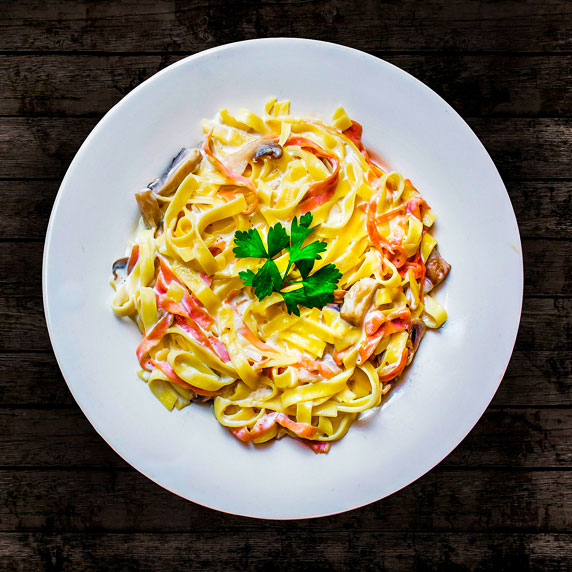
Charming Tables: Where to Savor the Moment in Rome
The Eternal City offers fantastic options that split perfectly between authentic affordability and starred refinement.
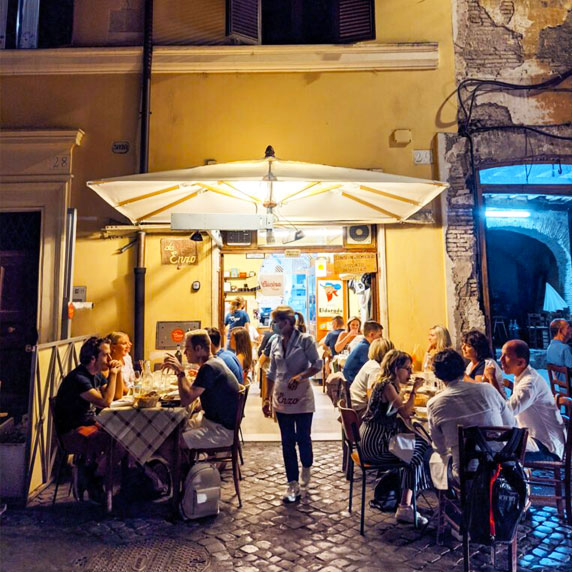
Block 1: Authentic and Cozy Corners (Budget)
For tourists on a limited budget, the ideal approach is to explore traditional trattorias located in vibrant neighborhoods like Trastevere, Monti, or Testaccio:
-
Trattoria Da Enzo al 29: In Trastevere, famous for its cozy atmosphere and classics like Cacio e Pepe or Supplì without spending too much.
Check reviews on the hub for Restaurants in Rome on TripAdvisor. - Pizzeria da Baffetto: An icon near Piazza Navona, famous for its thin, crispy crusts and pocket-friendly prices.
- La Tavernaccia & Pane e Salame: The former features excellent family dishes in Trastevere. The latter, near the Trevi Fountain, is ideal for cold cut platters (taglieri) and delicious quick snacks.
Block 2: Unforgettable and Sophisticated Experiences
For special celebrations or romantic dinners under breathtaking Michelin-starred scenery:
- La Pergola: The only 3-Michelin-starred restaurant in Rome. Located at the top of the Rome Cavalieri Hotel under the command of chef Heinz Beck, combining haute cuisine with sweeping panoramic views.
- Imàgo: Located in the prestigious Hotel Hassler, next to the Spanish Steps, combining contemporary Italian dishes with breathtaking visuals.
- Ristorante Aroma & Il Pagliaccio: Aroma offers exquisite specialties right in front of the Colosseum. Meanwhile, Il Pagliaccio (2 Michelin stars) surprises with innovative creations by chef Anthony Genovese.
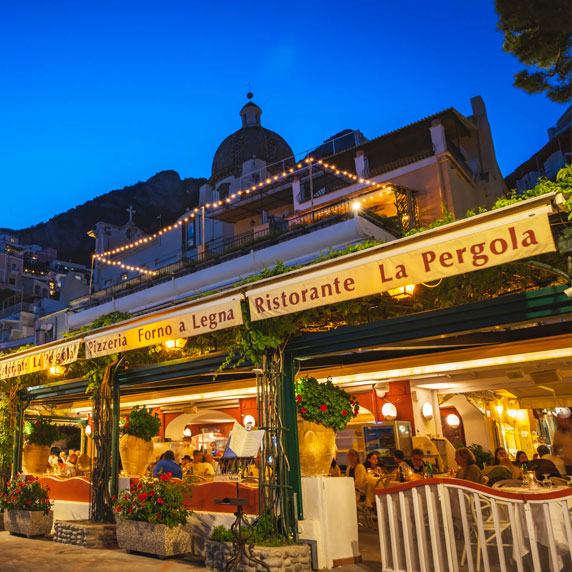
Charming Refuges: Where to Sleep and Dream in Rome
Choosing the right location makes all the difference in experiencing the best of the Roman atmosphere on foot.
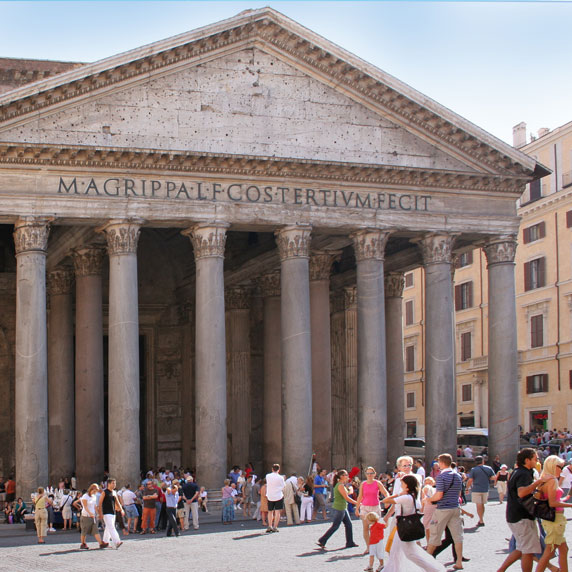
Area 1: The Historic Center (Pantheon, Navona, and Spagna)
Advantage: Doing absolutely everything on foot, stepping out of the hotel directly into illuminated medieval fountains and monuments.
• Decision Factor: Ideal for romantic or short-duration trips. Find charming options in the list of Hotels in Rome on Booking.com.
Area 2: Termini Surroundings or Prati Neighborhood
Advantage: Excellent economic cost-benefit and ease of rail transportation (Termini) or proximity to the Vatican (Prati).
• Decision Factor: Perfect for saving on your stay and using the subway to get around quickly.
Pathways to the Eternal City: How to Get to Rome
Rome is a major global connection hub. The city is served by two main airports: Fiumicino Airport (Leonardo da Vinci), which is the largest and busiest, and Ciampino Airport, focused on low-cost flights.
How to Get to the Center from Fiumicino:
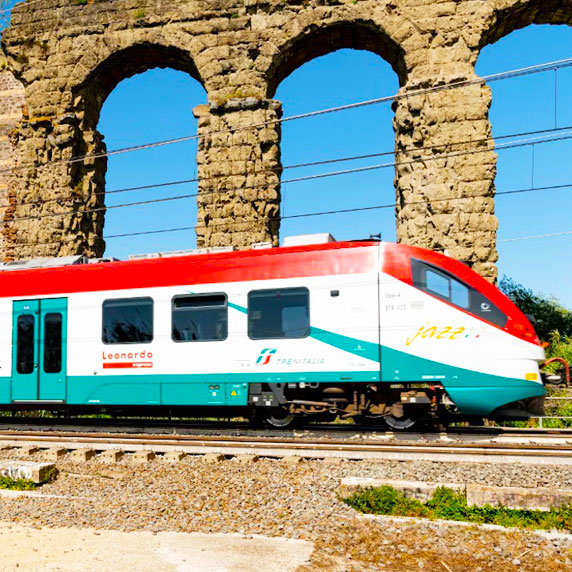
- Leonardo Express Train: Connects the airport directly to Rome Termini central station in just 32 minutes. Operates from 6:00 AM to 11:00 PM, departing every 15-30 minutes for 14.00 EUR. It is the fastest option.
- Regional Trains (FL1 Line): Cost 8.00 EUR and stop at strategic stations like Trastevere, Ostiense, and Tiburtina (caution: does not go to Termini). Journey takes 45-50 minutes.
- Private Buses: Companies like Terravision, SIT Bus Shuttle, and TAM operate routes to Termini for budget fares between 6.00 EUR and 8.00 EUR. The journey takes from 45 min to 1 hour.
- Taxi and Private Transfer: Official taxis have a fixed fare of 50.00 EUR to the center (within the Aurelian walls). Personalized executive transfers usually range between 60.00 EUR and 100.00 EUR.
Other Means of Transportation:
- By Train (Termini Station): Fast connections with high-speed trains (Frecciarossa) linking Rome to Milan, Florence, Naples, and Venice in a few hours.
- By Car or Regional Bus: The city is connected by excellent highways, but internal traffic is chaotic and full of Limited Traffic Zones (ZTL). Long-distance buses like FlixBus are cheap options.
- By Ship / Cruise: Disembark through the port of Civitavecchia (80 km from Rome) with direct ferry or train connections to the central station.
Getting Around: Enjoying Every Corner
Exploring Rome requires a smart combination of walking with the practical public urban transport system:
Walking
Rome is a city made to be explored entirely on foot! Many of the main central attractions (Pantheon, Trevi, Navona) are close to each other, allowing you to discover fantastic hidden corners.
Subway, Buses, and Trams
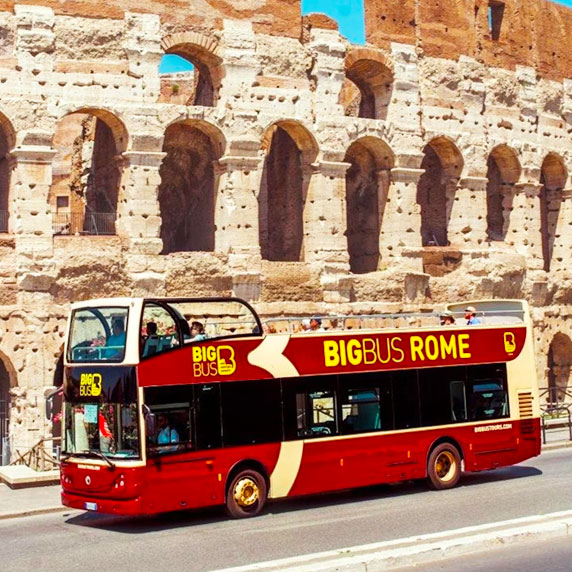
The subway has three lines (A, B, and C), quickly interconnecting distant points such as the Vatican, Colosseum, and Termini. The bus and tram network is very extensive and covers charming locations where subway lines do not reach, such as the Trastevere neighborhood.
Taxis, Bicycles, and Scooters
Taxis and mobility apps work well for nighttime travel or with luggage. Renting scooters and bicycles is fun, but requires close attention due to the intense flow of narrow Roman streets.
Optimized Itinerary: The Best of the Eternal City
Organize your days to make the most of the historical and artistic wealth without wasting time in lines.
Day 1: The Glory of Ancient Rome and Classic Fountains
Start early in the morning visiting the Colosseum and the ruins of the Roman Forum. In the mid-afternoon, walk toward the historic center to contemplate the grandeur of the Pantheon, make the classic wish by tossing a coin into the Trevi Fountain, and end the evening dining at an authentic trattoria in Trastevere.
Day 2: Sacred Art in the Vatican and Baroque Charm
Dedicate your entire morning to the artistic treasures of the Vatican Museums and the grandeur of St. Peter's Basilica. In the afternoon, walk along the Tiber River passing by Castel Sant'Angelo and finish the sunset relaxing on the steps of the Spanish Steps.
Rome as a Base to Explore Italy (Day Trips)
Rome's strategic central location on the Italian peninsula, coupled with excellent railway connectivity, makes it the ideal starting point to discover other dream destinations:
Florence (Tuscany)
The world capital of artistic Renaissance is just 1 hour and 30 minutes away using high-speed trains, making the city perfect for a structured day trip.
Naples and Pompeii
Just 1 hour and 10 minutes away by high-speed train, Naples is the rich gastronomic gateway to explore the unmissable archaeological mysteries of the frozen ruins of Pompeii and Mount Vesuvius.
Venice
In approximately 3 hours and 30 minutes of comfortable train travel, you reach the unforgettable and romantic city of canals, ideal for extending your journey to northern Italy.
Amalfi Coast and Capri
Making fast connections via Naples or Salerno, it becomes very simple to plan boat tours along the stunning coastal cliffs of Amalfi, Positano, and Capri.
Medieval Towns (Tuscany and Umbria)
Both by rental car and regional train, easily explore classic fortified medieval burghs like Siena, Pisa, Assisi, and the beautiful surrounding vineyards.