
Genoa
La Superba: Among Sumptuous Palaces, Medieval Alleys, and the Ligurian Sea
Grand, authentic, and unfiltered. Welcome to Genoa.
Historically known as "La Superba" due to its naval power in the Middle Ages, Genoa is the capital of the Liguria region and boasts one of the largest medieval historical centers in Europe. Unlike cities shaped exclusively for tourism, Genoa pulsates with the real life of an imposing port city, where the splendor of Renaissance palaces blends with the mysterious charm of its narrow alleys.
For institutional information, events, and current local notices, consult the official website of the Comune di Genova.
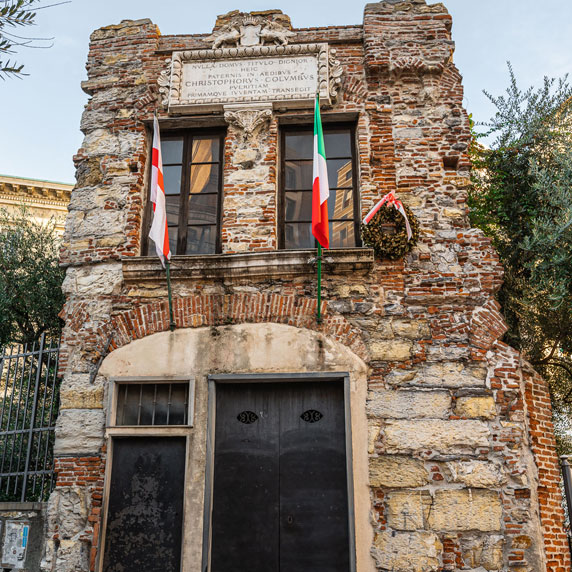
The History of Genoa: The Empire of Seas and Banks
For centuries, the Republic of Genoa competed directly with Venice for commercial control of the Mediterranean Sea. Governed by doges and enriched by bold merchants, the city transformed into the financial heart of Europe during the 16th and 17th centuries, the so-called "Century of the Genoese."
Birthplace of illustrious navigators such as Christopher Columbus, Genoa used its immense banking wealth to erect baroque and renaissance palaces so spectacular that they left European kings in awe. This heritage of opulence and power remains strongly present in the imposing architecture that dominates the city's grand avenues.
What to Do in Genoa: Unmissable Attractions
Being a large city, Genoa offers an incredible diversity of landscapes. From the tangle of medieval alleys to the modernity of the renovated port, there is much to explore:
I Caruggi (The Medieval Center)
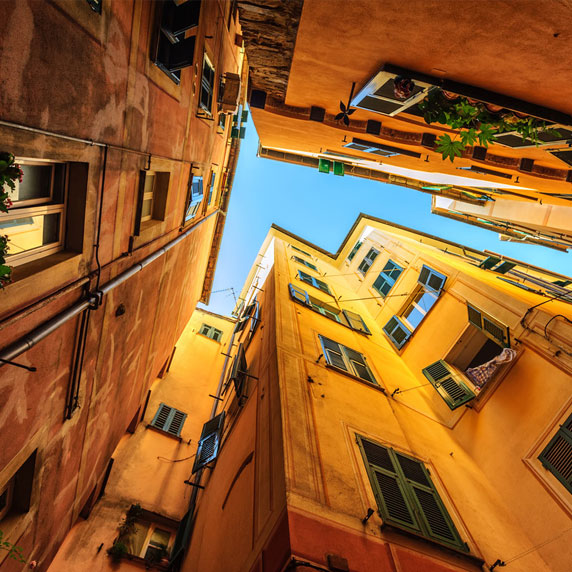
The *caruggi* are the narrow, labyrinthine alleys that form the soul of Genoa. Walking through them is taking a trip back in time. Tall, dark, and vibrant, the historic center houses centuries-old shops, medieval buildings with marble portals, and small hidden squares where local life happens intensely.
Via Garibaldi and the Palazzi dei Rolli
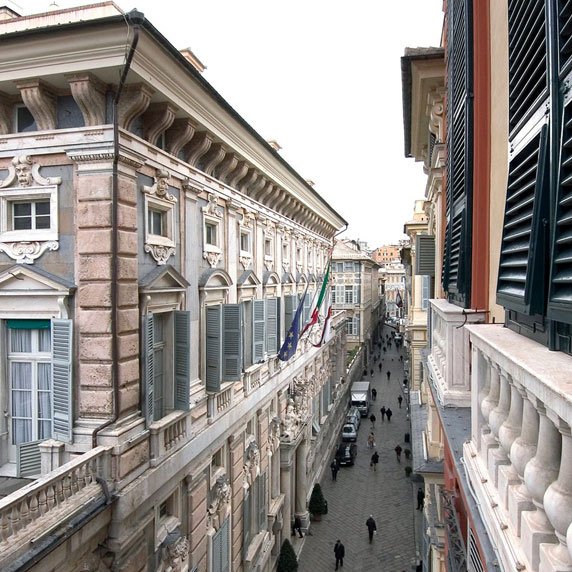
Via Garibaldi is one of the most impressive streets in the world, declared a World Heritage Site by UNESCO. There stand the *Palazzi dei Rolli*, private palaces that, during the time of the Republic, were selected by public draw to host visiting kings, popes, and foreign ambassadors. Today, complexes like Palazzo Rosso and Palazzo Bianco function as world-class art museums.
Porto Antico and the Genoa Aquarium
Revitalized in the 90s by renowned architect Renzo Piano, the historic port has transformed into a cultural leisure hub. The great star of the space is the famous Acquario di Genova, Italy's largest aquarium and one of the most important in Europe, ideal for those traveling with family.
Cattedrale di San Lorenzo
With its impressive black and white striped Gothic facade (a symbol of nobility in medieval Genoa) and guarded by imposing lion sculptures, the cathedral houses the Treasury Museum, which keeps relics attributed to Saint John the Baptist.
Boccadasse: A Postcard Village
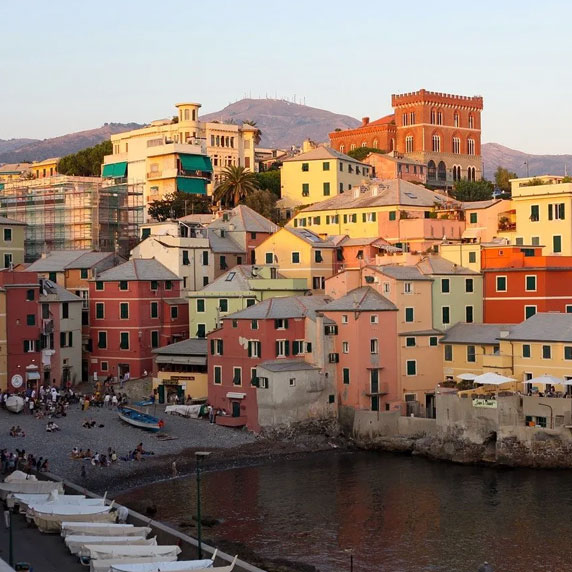
Located at the end of the Corso Italia coastal walk, Boccadasse is an old fishing village that has remained intact. With its pastel-colored houses overlooking a small pebble beach and boats pulled onto the sand, the place looks like a Cinque Terre village nestled in the middle of the big city.
Genoese Gastronomy: Traditional and Authentic Flavors
Genoa gifted the world some of Italy's most iconic recipes. Ligurian cuisine is based on the masterful use of aromatic herbs, very light olive oils, and fresh coastal ingredients.
Unmissable Specialties
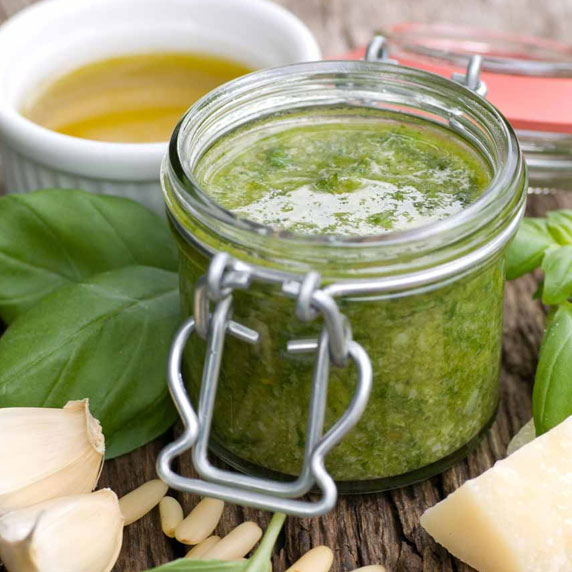
- Il Pesto Genovese: Authentic pesto, made in a marble mortar with fresh basil from the Prà region, Riviera extra virgin olive oil, pine nuts, garlic, Parmigiano Reggiano, and Pecorino Sardo cheese. Traditionally served with pastas like *trofie* or *trenette*.
- Focaccia Genovese (Fügassa): Forget thick, fluffy focaccias. The true Genoese version is thin, crispy on the outside, soft on the inside, generously drizzled with olive oil and coarse salt. Locals usually eat it early in the morning, dipped directly into cappuccino.
- Focaccia di Recco: A spectacular variation originating from the neighboring town of Recco. It consists of two very thin layers of unleavened dough stuffed with melted *Crescenza* cheese.
- Farinata: A rustic and delicious savory tart made simply with chickpea flour, water, olive oil, and pepper, baked in high-temperature wood-fired ovens.
Where to Eat in Genoa
As a vibrant large metropolis, Genoa offers options ranging from traditional "Sciamadde" (historic fry shops) to elegant fine-dining restaurants.
Traditional and Historic Trattorias
- Trattoria Sa Pesta: A temple of traditional cuisine in the heart of the historic center. Famous for serving the best vegetable tarts, farinatas, and authentic pesto pasta dishes in a rustic 19th-century setting.
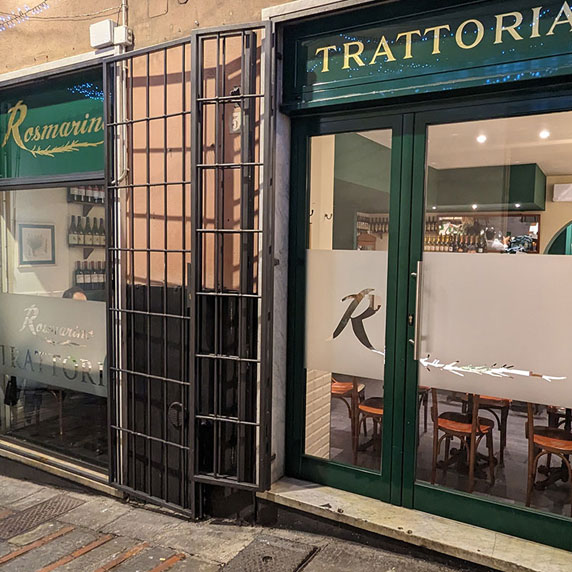
- Trattoria Rosmarino: Located right behind the gorgeous Piazza De Ferrari. A modern trattoria that elevates classic Ligurian recipes with sophisticated presentations, an excellent regional wine list, and very balanced prices.
- Antica Sciamadda: Hidden in the caruggi, it is ideal for a quick and cheap meal. Specialized in Genoese street food, such as fried fish served in paper cones and various focaccias straight from the oven.
Exclusive and Luxury Experiences
- The Cook al Cavo (Michelin Star): Located inside a beautifully frescoed historic palace in the old center. Chef Ivano Ricchebono offers haute cuisine that reinterprets Ligurian sea flavors with brilliant contemporary techniques.
Where to Stay in Genoa: Accommodation Suggestions
Choosing the right location in Genoa optimizes your entire trip, especially if the focus is using the city as a train base for the Italian Riviera. Check out the best neighborhood profiles:
Historic Center / Porto Antico (Charm and Immersion)
Ideal for those who want to do everything on foot and enjoy the atmosphere of restaurants and bars at night.
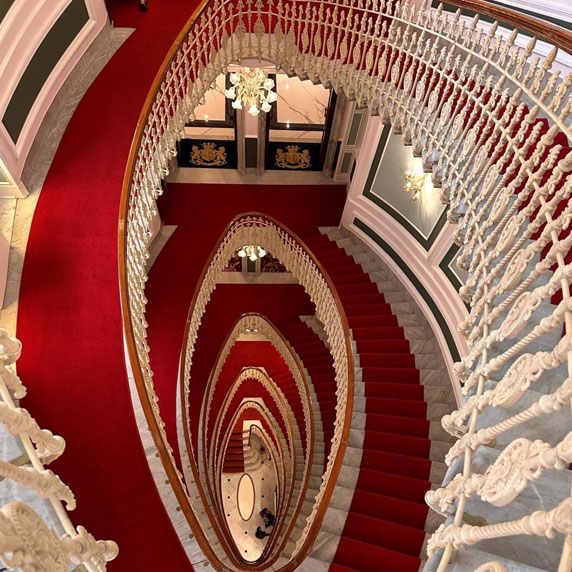
- Hotel Bristol Palace (Historic Elegance): Located on the elegant Via XX Settembre. A high-standard classic hotel, famous for its marvelous elliptical marble staircase and art nouveau decor.
- NH Collection Genova Marina (Modernity at the Port): Built directly over the Porto Antico, a few steps from the Aquarium. Features a modern look, rooms with balconies overlooking the boats, and very flat access (perfect for those traveling with large luggage).
Close to Stations (Focus on Train Day Trips)
For practical travelers who want to wake up and catch the train to neighboring villages without wasting time walking through the city.
- Grand Hotel Savoia (Practical Luxury): Situated just a few steps from the *Genova Piazza Principe* railway station. A historic 5-star hotel with a panoramic terrace offering a whirlpool and full views of the city and the sea.
- Hotel Brignole (Excellent Value for Money): Very close to the *Genova Brignole* station. Offers clean, modern, and compact accommodations, perfect for those who want to quickly travel by train to the eastern side of the Riviera (such as Portofino and Camogli) without spending a fortune.
How to Get to Genoa
Genoa is the main transportation hub of the Liguria region, making access extremely easy by any means:
By Train (The Best Option)
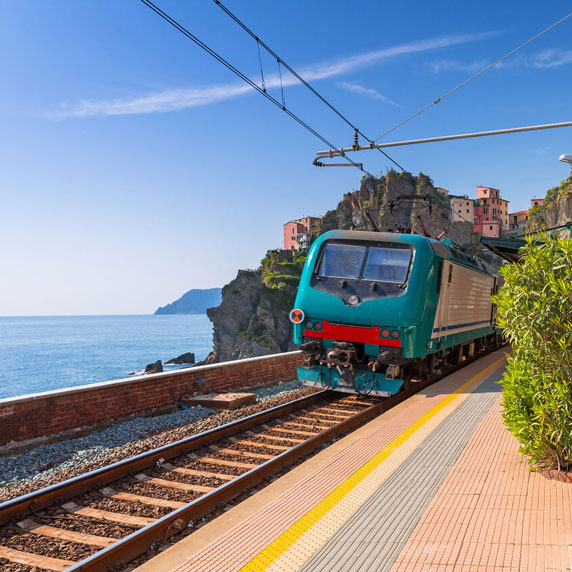
The railway network connects Genoa perfectly with Italy's main destinations. High-speed trains (Frecciarossa) connect Milan to Genoa in just 1h30, and Turin in less than 2 hours. Remember: check whether your ticket arrives at *Piazza Principe* (closer to the Port) or *Brignole* (modern commercial area).
By Plane
Genoa Airport (GOA - Cristoforo Colombo) receives direct flights from several European capitals and daily connections from Rome. To get from the airport to the city center by public transport, simply take the special *Volabus* bus, which connects the terminals directly to the two main train stations in about 30 minutes.
Getting Around Genoa
Genoa is a city that grew vertically, squeezed between the mountains and the sea. Understanding local transport costs and networks saves your breath:
On Foot and Metro
The immense medieval historic center is made exclusively for pedestrians. To cross larger distances quickly, the city has a single metro line managed by AMT. The urban single ticket costs €2.00 and is valid for 110 minutes across the entire network.
Elevators and Funiculars (Vertical Transport)
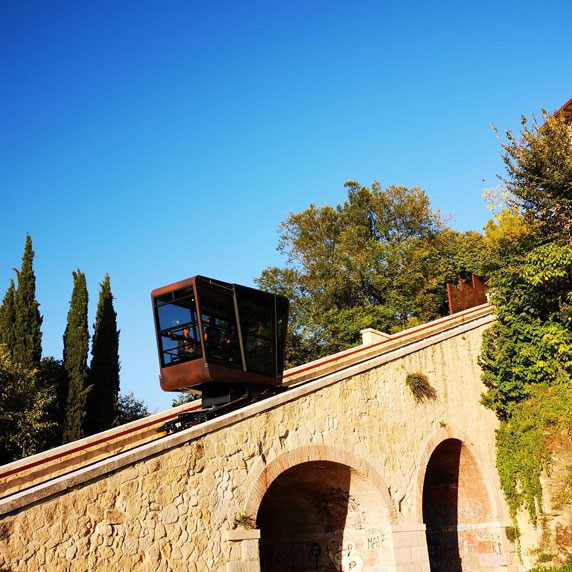
One of the city's great attractions are the public elevators and funiculars connecting to the upper neighborhoods. The most famous is the Ascensore Castelletto Levante, which goes from the medieval core straight to the Spianata Castelletto viewpoint. Access cost is included in the regular €2.00 urban ticket.
Recommended Tourist Passes
For those planning intensive transport use, the daily ticket (24h) costs €10.00. Another smart option for tourists is the 24h Genoa Pass for €4.50 (focused exclusively on the bus, metro, and urban elevator network).
Optimized 1-Day Itinerary
If you only have 24 hours in Genoa, the focus should be the contrast between the treasures of the medieval core and the grandeur of the merchants' golden age.
Morning: Palaces and Splendor
Start the day at the majestic Piazza De Ferrari, the nervous center of the city with its iconic bronze fountain. Head straight to Via Garibaldi to visit the stunning inner courtyards and galleries of the Palazzi dei Rolli (Palazzo Rosso and Bianco). On your way back, admire the striped facade of Cattedrale di San Lorenzo.
Lunch Suggestion
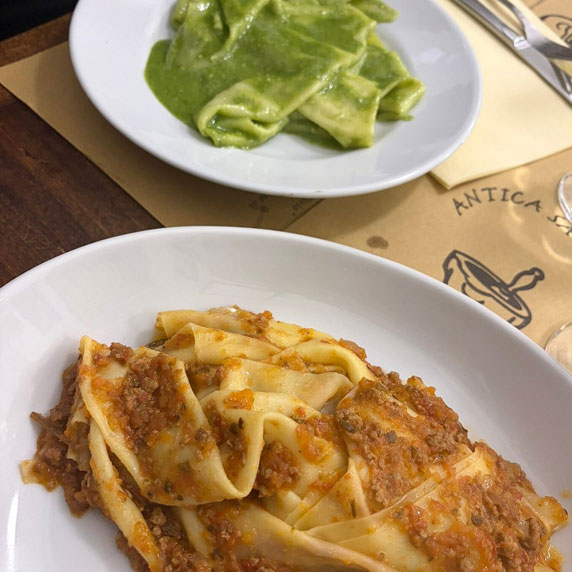
Delve into the alleys and stop at the traditional Trattoria Sa Pesta. Delight in an authentic portion of freshly baked Farinata and a plate of Trofie with fresh Ligurian Pesto.
Afternoon: Medieval Labyrinths and Panoramic View
Dedicate the afternoon to exploring the caruggi at your leisure. Near late afternoon, walk to Ascensore Castelletto and go up to Spianata Castelletto to watch the sunset over the medieval slate rooftops and the port of Genoa. Finish the day walking through the modern Porto Antico area.

Complete 2-Day Itinerary
The second day allows you to explore the immense Aquarium and feel the authentic vibe of a charming Riviera fishing village without leaving the municipality.
Day 1: The Heart of the Ancient City
Follow the first day's plan to absorb the main monuments, historic squares, and viewpoints of the old core.
Day 2: Marine Life and Riviera Vibe
Morning: Underwater Immersion
Open the day by visiting the Genoa Aquarium right at opening time to avoid lines. Dedicate about 2 to 3 hours to see sharks, dolphins, and penguins in impeccably designed colossal tanks.
Afternoon: Coastal Walk and Gelato in Boccadasse
Take a local bus or take a long and beautiful walk along the Corso Italia seaside promenade until you reach Boccadasse. Spend the rest of the afternoon relaxing on the pebble beach, watching the colorful houses, and having artisanal gelato by the sea.
Dinner Suggestion
To end your stay in style, make a reservation at the sophisticated and starred The Cook al Cavo, savoring unforgettable contemporary seafood dishes inside rooms decorated with Renaissance frescoes.
Using Genoa as a Base to Explore the Region
Staying in Genoa is one of the smartest and most economical decisions for exploring the Italian Riviera. The city has two major main railway stations connected to the high-speed network: **Genova Piazza Principe** and **Genova Brignole**. Using the excellent regional train system, you avoid winding roads and expensive coastal parking, managing to visit cinematic villages on quick day trips.
1. La Spezia
Known as the great gateway to the Cinque Terre park. It is a vibrant naval city filled with interesting museums and a gorgeous landscaped coastline.
- What to see: The bay beaches and the stunning neighboring village of Porto Venere. In the city, explore the imposing **Castello di San Giorgio** and the fascinating **Museo Tecnico Navale** of the Italian military navy.
- Practical Logistics:
- • Transport type: Regional Veloce Train (Trenitalia).
- • Travel time: About 1h15 to 1h30 leaving from Genova Brignole.
- • Estimated cost: Between €8.00 and €14.00 per way.
2. Portofino
Italy's most exclusive and glamorous village. An old fishing colony that transformed into the favorite refuge of international celebrities, mega-yachts, and haute couture boutiques.
- What to see: The iconic and ultra-photographed seaside **Piazzetta**, the charming **Paraggi** beach (with its crystal-clear emerald-green waters), and the historic **Castello Brown**, which offers breathtaking panoramic views of the entire bay.
- Practical Logistics:
- • Transport type: Train to *Santa Margherita Ligure* station, followed by a local bus (Line 782) or a gorgeous regular ferry ride.
- • Travel time: 45 minutes by train + 15 minutes by bus/boat.
- • Estimated cost: Train (€4.00 to €6.00) + Bus (€3.00) per way.
3. Camogli
An authentic jewel of the Ligurian Riviera that many international tourists end up passing by. It is famous for its incredibly tall buildings painted in bright, rustic colors, made so fishermen could spot their homes even while far out at sea.
- What to see: The black pebble urban beach, the impressive **Basilica di Santa Maria Assunta** built directly on the port rock, and the picturesque **Castel Dragone**. Boats also depart from there to the isolated and mystical **Abbey of San Fruttuoso**.
- Practical Logistics:
- • Transport type: Regular Regional Train.
- • Travel time: Only 30 to 35 minutes leaving from Genova Brignole.
- • Estimated cost: About €3.80 to €5.00 per way.
4. Sestri Levante
An absolutely charming resort town historically built around a rocky peninsula that divides the sea into two fine-sand bays, named after writer Hans Christian Andersen.
- What to see: The famous **Baia del Silenzio** (a calm, gentle-water crescent beach surrounded by colorful houses) and **Baia delle Favole**, ideal for late afternoon walks. Also explore the stone paths climbing up to the Punta Manara viewpoint.
- Practical Logistics:
- • Transport type: Regional Veloce Train.
- • Travel time: Approximately 50 minutes.
- • Estimated cost: Between €6.00 and €8.00 per way.
Map with Indicated Locations
Browse the map below to easily locate all tourist spots, restaurants, hotels, and train stations mentioned in this guide.