
Rimini
Complete Guide Between the Adriatic Sea, Ancient Rome, and Fellini's Cinema
The Charming Capital of the Coastline and Romanesque History
Many know Rimini as the grand summer holiday capital on the Adriatic Sea, but the city holds a fascinating duality. Just steps away from its extensive stretches of sand and vibrant boardwalks lies one of the most valuable and preserved historic centers of the Roman era in Italy.
Here at Roteiro na Itália, we show how to enjoy the best of both worlds: walking across millennia-old bridges built by Roman emperors, exploring the playful universe of filmmaker Federico Fellini, and enjoying beachside gastronomy and the warm hospitality of Romagna.
The History of Rimini: Roman Colony and Cradle of Culture
Founded by the Romans in 268 BC under the name of Ariminum, the city became an essential strategic crossroads of the Roman Empire. It was here that the famous *Via Flaminia* (coming from Rome) met the *Via Aemilia* (which crossed northern Italy up to Piacenza).
During the Renaissance, the powerful *Malatesta* family took over the government of the city, hiring artists and architects of the caliber of Leon Battista Alberti and Giotto. In the 20th century, Rimini transformed into the epicenter of European beach tourism and the eternal inspiration for the magical cinematography of director *Federico Fellini*.
The Nicknames of Rimini: Sun, History, and Cinema
A multifaceted city with striking identities throughout the centuries:
- The Riviera of Romagna: The most famous and structured resort on the Adriatic coast, a benchmark in hospitality and maritime tourism.
- The Roman Gateway to the Adriatic: Guardian of millennial architectural works that have withstood time and wars.
- The Land of Federico Fellini: The birthplace of the cinema master, immortalized in classics like Amarcord and I Vitelloni.
What to Do in Rimini: Main Tourist Attractions
From Ancient Roman heritage to the seafront boardwalk, explore what is unmissable in the city:
1. Tiberius Bridge
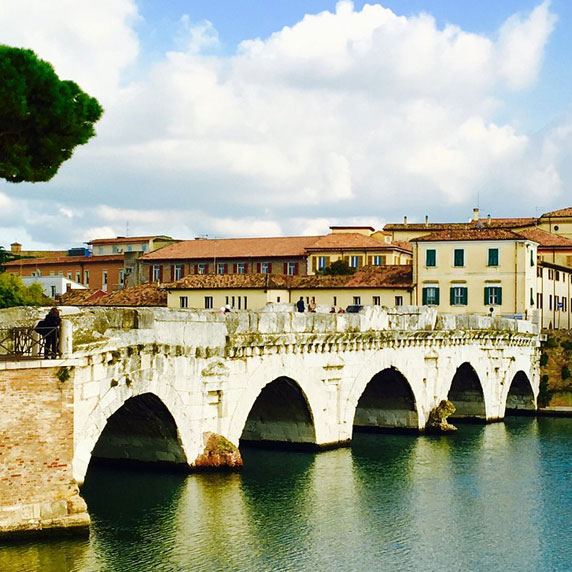
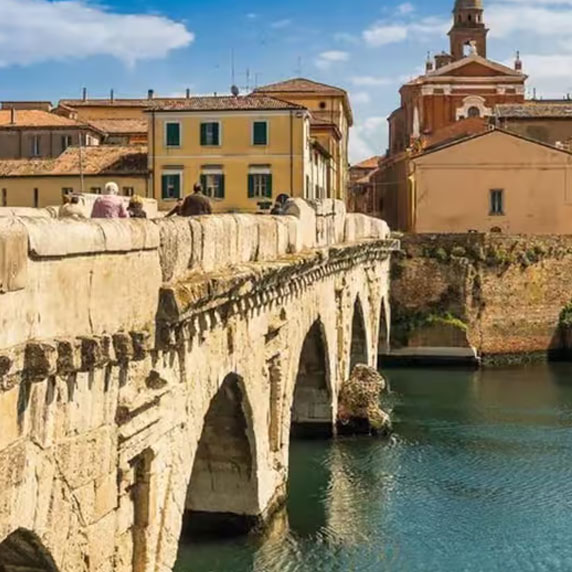
Built in Istrian stone more than 2,000 years ago, this impressive 5-arch Roman bridge continues in use to this day, crossing the Marecchia River channel and marking the beginning of Borgo San Giuliano.
2. Arch of Augustus
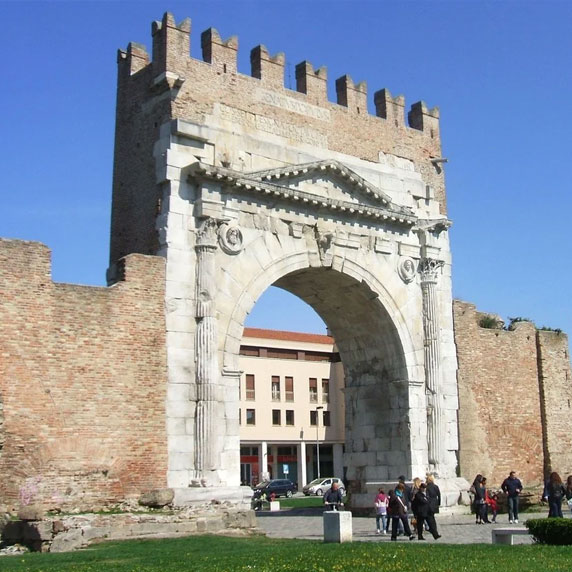
The oldest surviving Roman triumphal arch in the world, erected in 27 BC in honor of Emperor Augustus. Formerly, it marked the end of the Via Flaminia and the monumental entrance to the city.
3. Malatesta Temple
The cathedral of Rimini, remodeled in the 15th century by Leon Battista Alberti. Inside, it houses priceless works of art, including a wooden crucifix painted by Giotto and a fresco by Piero della Francesca.
4. Fellini Museum and Castel Sismondo
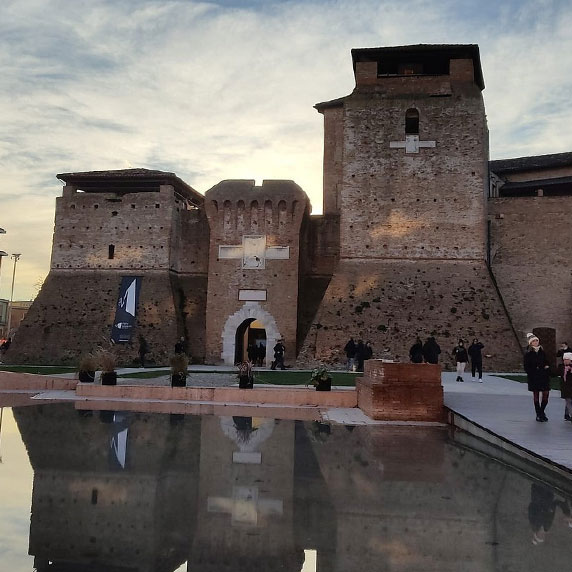
An immersive multimedia museum dedicated to cinema genius Federico Fellini, divided between the medieval fortress *Castel Sismondo* and the historic *Cinema Fulgor*.
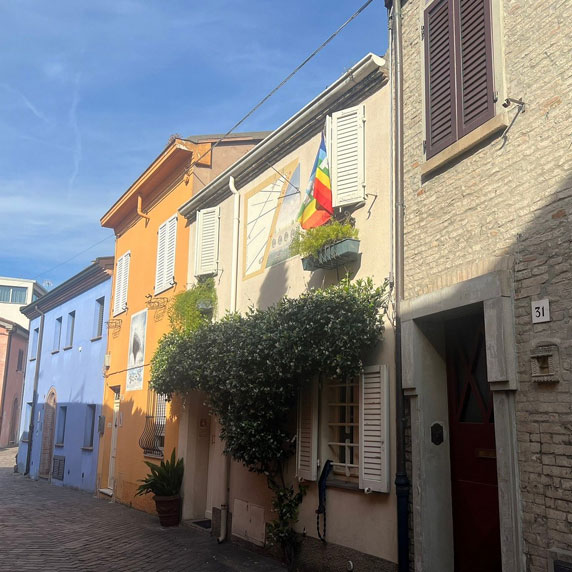
5. Borgo San Giuliano
Ancient fishermen's neighborhood located just past the Tiberius Bridge. Today it is one of the most charming spots in the city, with cobblestone alleys, colorful houses, and painted murals depicting scenes from Fellini's films.
6. The Adriatic Coastline and Surgeon's House
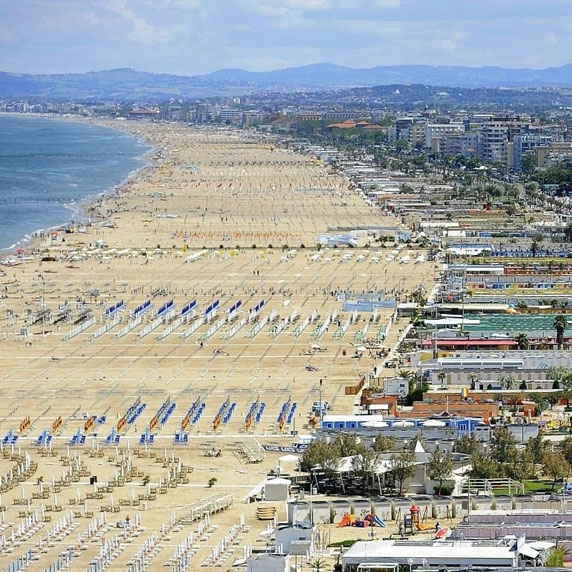
- Marina di Rimini and Parco del Mare: Kilometers of equipped beaches with excellent infrastructure, bike paths, and the modern tree-lined boardwalk.
- Surgeon's House (Domus del Chirurgo): An archaeological site excavated in Piazza Ferrari, revealing a 2nd-century Roman house with the largest collection of surgical instruments from antiquity.
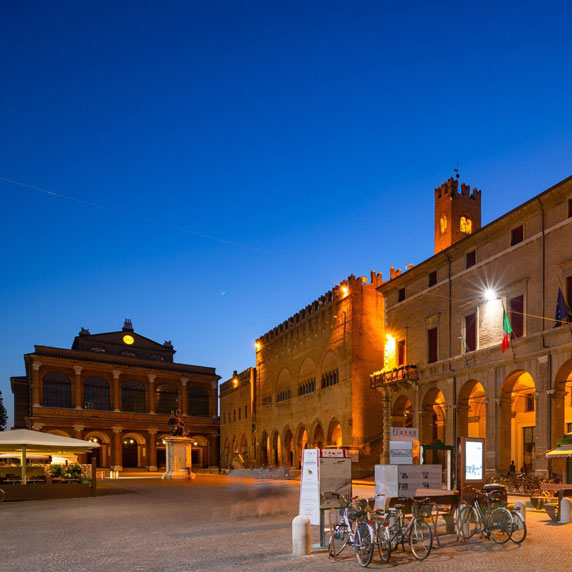
- Piazza Cavour: The heart of the historic center, surrounded by the Palazzo del Podestà, the Pigna Fountain, and the Galli Theater.
Trip Planning: When to Go and How Long to Stay
How many days to stay in Rimini?
1 day: Perfect for visiting the historic center attractions (Tiberius Bridge, Arch of Augustus, Borgo San Giuliano) and walking along the seaside boardwalk.
2 to 3 days (Ideal): Allows you to enjoy the beach without rush, visit the museums calmly, enjoy local gastronomy, and take a day trip to San Marino or Gradara.
Best time to visit
For those seeking sun and beach, from *June to August* the city operates at full pace. If your focus is cultural tourism, walking, and avoiding crowds, go between *May and June* or in *September*.
Rimini Gastronomic Guide: Flavors of the Sea and Tradition
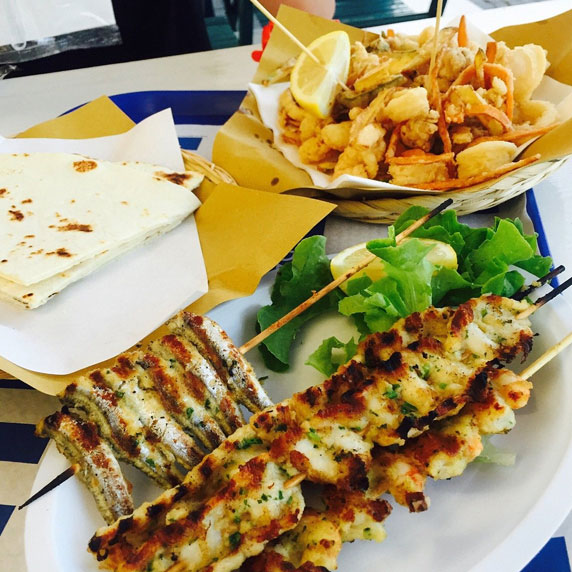
Rimini's cuisine unites the bounty of Romagna land with the daily freshness of fish caught in the Adriatic.
Indispensable Typical Dishes
- Piadina Romagnola and Cascione: In Rimini, piadina is thin and light. Cascione is a stuffed and folded version (with escarole, cheese, or tomato and mozzarella).
- Brodetto alla Riminese: Traditional fish soup with tomato, garlic, and spices, served with slices of grilled bread.
- Grigliata Mista di Pesce: Assorted fish, squid, and shrimp grilled with breadcrumbs and aromatic herbs.
- Strozzapreti al Ragù di Mare: Typical hand-rolled pasta served with a rich seafood sauce.
Where to Eat in Rimini: Restaurant Suggestions
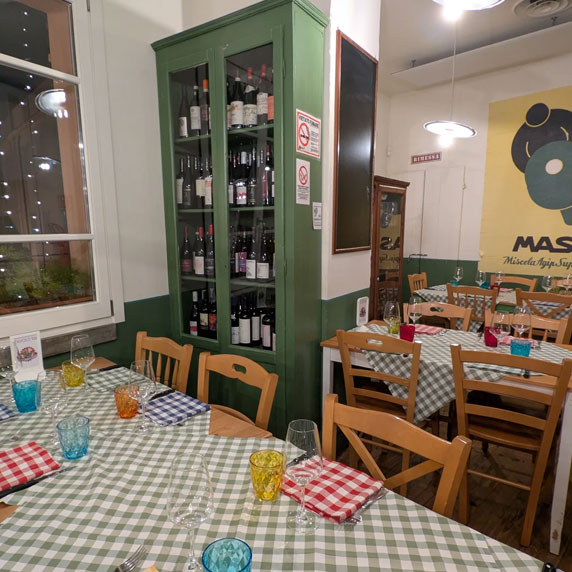
Options ranging from traditional piadina kiosks to osterias in the charming Borgo San Giuliano.
-
Budget (€)
Nudo e Crudo (near Tiberius Bridge) or Casina del Bosco. Excellent for artisan piadinas and authentic cascioni.
-
Mid-range (€€)
Osteria de Borg (in Borgo San Giuliano) or Trattoria La Marianna. Specialized in homemade pastas, fresh fish, and a welcoming atmosphere.
-
Exclusive Experience (€€€)
Guido Ristorante (seaside) or Ristorante Abocar Due Cucine. Refined gastronomy with Michelin stars and a focus on local ingredients.
Where to Stay in Rimini: Accommodation Tips
Choosing the area depends on your trip's focus:
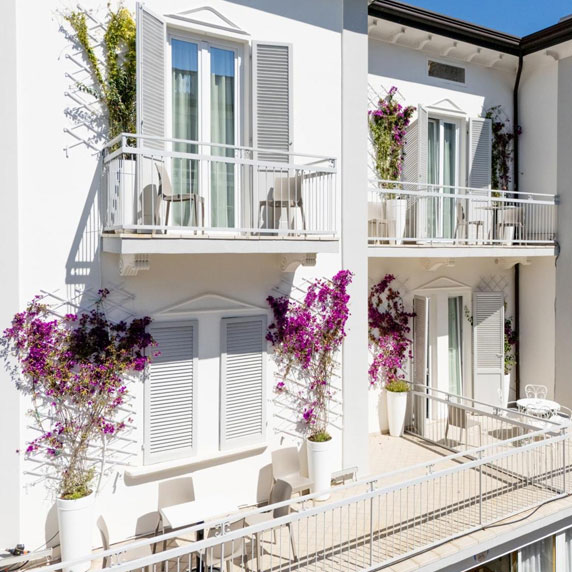
- Marina Centro / Seaside: Ideal for those who want to enjoy the beach, boardwalk, seafood restaurants, and nightlife.
- Historic Center (Centro Storico): Perfect for those seeking tranquility, proximity to the train station, and ease of exploring historical monuments on foot.
- Borgo San Giuliano: The most stylish and poetic option, featuring boutique hotels and a traditional village atmosphere.
To check and compare accommodations with real reviews, consult Booking.com Rimini.
How to Get There and Get Around Rimini
By Train (Recommended Option)
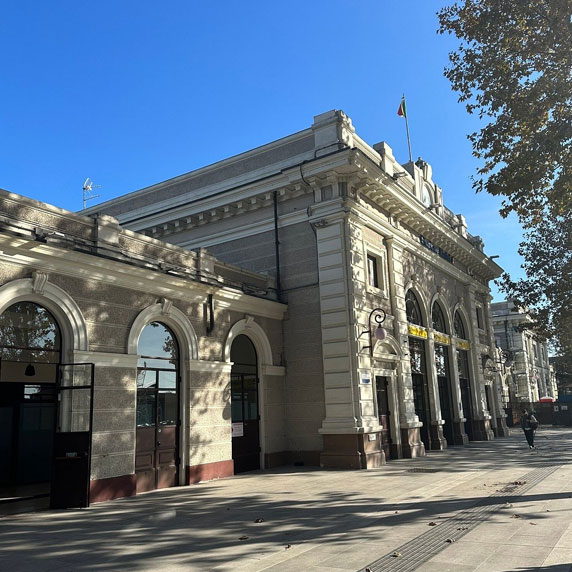
The *Rimini Stazione* station is located in the city center, connecting the coast to the historic center. There are frequent connections from *Bologna* (1 hour) and *Ravenna* (45 minutes).
By Car and Attention to ZTL
The historic center has traffic restriction areas (ZTL). If you are driving, use parking lots around the center, such as *Parcheggio Tiberio* or *Parcheggio Rocca Malatestiana*.
Day Trips from Rimini
Rimini is the perfect base for exploring medieval villages and neighboring countries:
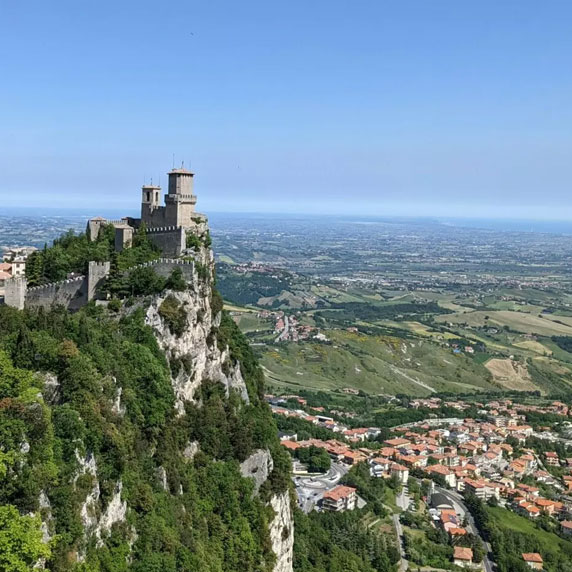
- San Marino: The oldest republic in the world is just a 45-minute bus ride from Rimini, featuring its famous towers on top of Mount Titano.
- Gradara: A perfectly preserved medieval fortress, famous for being the setting of Paolo and Francesca's tragic love story in Dante's Divine Comedy.
- San Leo: A spectacular village built on a massive rock cliff with an impregnable fortress.
Practical Tips for Your Trip to Rimini
- Rent a Bicycle: Rimini is entirely flat and features Metromare and an extensive bike path network linking the center to the beach.
- Visit Borgo San Giuliano at Sunset: The ideal time to photograph the colorful murals and enjoy an aperitif at local bars.
- Buy the Combined Museum Ticket: The unified ticket includes the Fellini Museum, Castel Sismondo, and the Surgeon's House.
Suggested Itinerary: 1 Day in Rimini Step by Step
Morning (09:00 - 12:30):
- Start at the Arch of Augustus and follow the pedestrian street to Piazza Cavour and the Surgeon's House.
- Visit the monumental Malatesta Temple.
Lunch (12:30 - 14:30):
Pause to enjoy a Cascione or a traditional Piadina Romagnola near the covered market.
Afternoon (14:30 - 18:00):
- Cross the legendary Tiberius Bridge and explore the alleys and murals of Borgo San Giuliano.
- Visit Castel Sismondo / Fellini Museum.
- End the afternoon with a relaxing walk in *Parco del Mare* by the Adriatic.
Frequently Asked Questions About Rimini (FAQ)
Is it worth visiting Rimini besides the beaches?
Yes! In addition to its famous coastline, Rimini features a surprising historic center with Roman monuments over 2,000 years old, such as the Tiberius Bridge and the Arch of Augustus, as well as a rich cultural life dedicated to filmmaker Federico Fellini.
How do I get from Bologna or Ravenna to Rimini?
The fastest and most practical way is by regional or high-speed train. From Ravenna the journey takes about 45 minutes, and from Bologna it takes around 1 hour.
What is the best time to visit Rimini?
From June to August is ideal for enjoying beach life and bustling nightlife. To explore history and the historic center with pleasant weather and without crowds, choose the months of May, September, or October.
Explore Other Cities in Emilia-Romagna
Take advantage of the region's great railway network to connect your visit to Rimini with other unmissable destinations:
Bologna
The regional capital and major transportation hub. Famous for its over 40 km of porticoes (UNESCO Heritage), secular university, and legendary gastronomy.
Ravenna
The capital of Byzantine mosaics and the final resting place of Dante Alighieri, full of paleochristian monuments declared World Heritage Sites by UNESCO.
Modena
The capital of motors and traditional balsamic vinegar. Home of Ferrari, Massimo Bottura, and an unforgettable historic center.
Parma
UNESCO Creative City of Gastronomy, famous worldwide for Parmigiano Reggiano, Prosciutto di Parma, and the magnificent Teatro Farnese.
Ferrara
A Renaissance jewel dominated by the majestic Castello Estense with its water moat, perfect for exploring by bicycle.
Piacenza
Located on the border with Lombardy, a quiet and elegant city full of noble palaces, Romanesque churches, and an excellent culinary tradition.
Ready to Discover the Multiple Facets of Rimini?
Rimini proves that it is possible to combine seaside relaxation with a deep immersion into Roman history and the magic of Italian cinema.
Continue browsing Roteiro na Itália and check out our detailed guides on Ravenna, Bologna, Ferrara, and other incredible Emilia-Romagna destinations!